
Livraison le jour même ou le lendemain

Qualité garantie

Débloquez vos offres de bienvenue: Livraison GRATUITE | Jusqu'à -80 % | 30 jours d'essai gratuits à JoyPlus
Téléchargez l'application
Whether you want to extend summer evenings on the patio, secure a walkway, or create a magical atmosphere in the garden, the right outdoor lighting is a game-changer. The problem? The market is flooded with products that make tempting promises but often prove disappointing once unboxed. Between questionable waterproofing and laughable battery life, it's easy to make a purchase you'll regret. As a Product Expert at Joybuy, my mission is to help you see things more clearly and find the lighting solutions that truly meet your needs, without falling for marketing traps.
Before you start shopping, let's review the three classic mistakes that turn a purchase into buyer's remorse:
To avoid these disappointments, you just need to focus on a few non-negotiable technical specifications. These are what separate a gadget from a reliable, long-lasting product.
The Ingress Protection (IP) rating is an international standard that assesses a device's resistance to solid objects (like dust) and liquids (like water). For outdoor lighting, it is simply the number one criterion.
The type of power source will depend entirely on where you plan to install your light and how often you'll use it.
To create the right ambiance, you need to understand two units of measurement.
Instead of an overwhelming list, we've selected products that meet very specific needs, strictly applying the criteria we've just discussed.
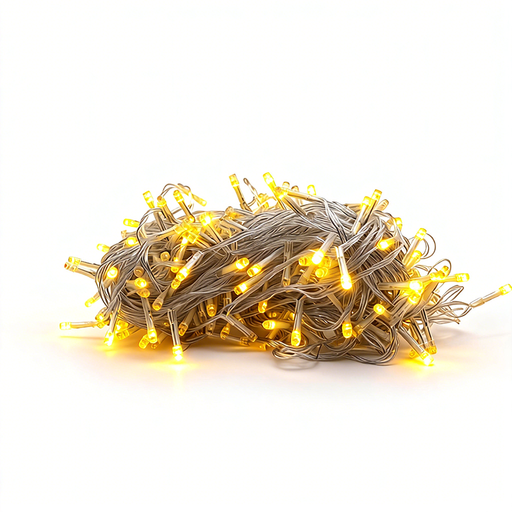
Why we love it: Perfect for dressing up a balcony or pergola, or creating a festive bistro-style vibe without worrying about outlets. Its warm white light (3,000 K) creates an instantly welcoming atmosphere.
Unlike many budget "decorative" string lights, this one is properly certified IP44. This means it's designed to withstand rain showers and can be left outside without fear.
Powered by 3 AA batteries, it can be installed absolutely anywhere. It offers 8 lighting modes (steady, flashing, etc.) and even remembers your last setting.
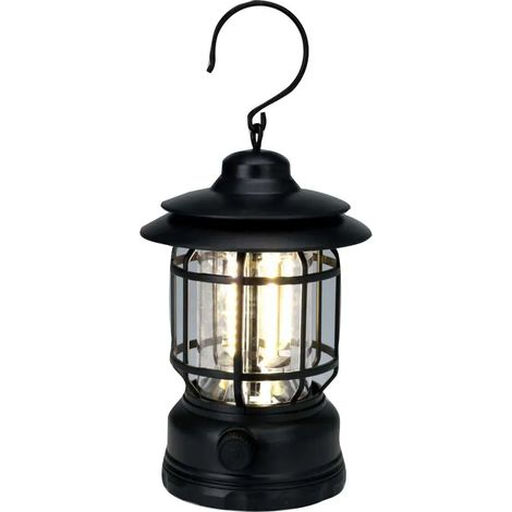
Why we love it: The essential accessory for camping, hiking, or simply as an emergency light during a power outage. It's compact, and its handle makes it easy to carry or hang.
No more hassle with disposable batteries. Its 1,200 mAh Lithium-ion battery is USB-rechargeable, ensuring you're never in the dark as long as you have a power bank or charger on hand.
A 3-hour charge provides 2 to 3 hours of battery life at full power, more than enough to light up a tent or a small campsite. Its COB LEDs diffuse a powerful and uniform light.
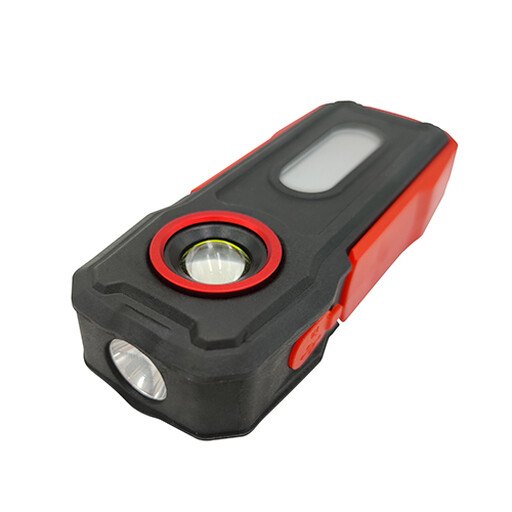
Why we love it: This is the Swiss Army knife of lighting. Indispensable for DIY projects in the garage, checking under the car hood, or as the cornerstone of a home emergency kit. It packs multiple functions into a compact design.
Much more than a simple flashlight. Its magnetic base and its function as a backup battery (power bank) for your smartphone solve real-world problems where a basic model would be useless.
Dual light source (300 lm spotlight and 140 lm lantern), magnetic base for hands-free work, and a USB port to charge a dead smartphone in a pinch. A true luminous Swiss Army knife.
We've put together a complete selection of products that meet our specifications and current safety standards.
An IP44 rating guarantees that the product is protected against solid objects larger than 1 mm (the first digit, 4) and against water splashes from all directions (the second digit, 4). In practical terms, an IP44-rated string light or lamp will withstand rain without any issues, but it should not be submerged in water. It's the minimum standard we recommend for using outdoor lighting with peace of mind.
It's all about colour temperature, measured in kelvins (K). Warm white (around 2,700 K - 3,000 K) emits a yellowish light, similar to old incandescent bulbs. It creates a cosy and relaxing atmosphere, perfect for a patio. Cool white (over 5,000 K) produces a very white, almost bluish light that promotes alertness. It's better suited for security lighting or a garage.
It all depends on their design. If the string light is certified IP44 or higher, its LEDs and cable can handle the weather. However, the battery box often remains the weak link. It's wiser to protect it from driving rain and standing moisture. For year-round installation, make sure the battery compartment is well-sealed, or place it under a shelter or in a small waterproof bag. Also, remember to remove the batteries during long periods of non-use to prevent them from leaking and damaging the contacts.