
Same-day & Next-day Delivery

Quality Guaranteed

Unlock Your Welcome Offers: FREE Delivery | Up to 80% OFF | Free 30-day JoyPlus trial
Download the APP
Well-planned garden lighting can transform summer evenings and secure your pathways in winter. However, choosing the right outdoor lighting can quickly become a headache. Between "ultra-durable" products that rust after one season and solar lamps that die on the first cloudy day, it's all too easy to make the wrong choice. To avoid these common pitfalls, here are the traps to watch out for.
The first mistake is trusting vague terms like "waterproof" or "weather-resistant". Without a specific certification, these marketing buzzwords offer no real guarantee against heavy downpours. Another often-overlooked detail is colour temperature. A cool, white light that's perfect for a garage can ruin the warm, inviting atmosphere of a patio. Finally, with solar models, the panel size and battery capacity are often undersized. The result is disappointing battery life, especially during the less sunny months.
To avoid buyer's remorse, focus on objective technical specifications. They are the only true indicators of your future lighting's performance and durability.
The Ingress Protection (IP) rating is an international standard that classifies a device's resistance to dust (first digit) and water (second digit). It is THE non-negotiable criterion for outdoor lighting.
The atmosphere of your outdoor space is directly influenced by the colour and intensity of the light.
The choice depends on your needs for reliability and ease of installation.
Instead of searching for a one-size-fits-all solution, it's better to choose lighting tailored for a specific purpose. Here are our recommendations for three common scenarios.
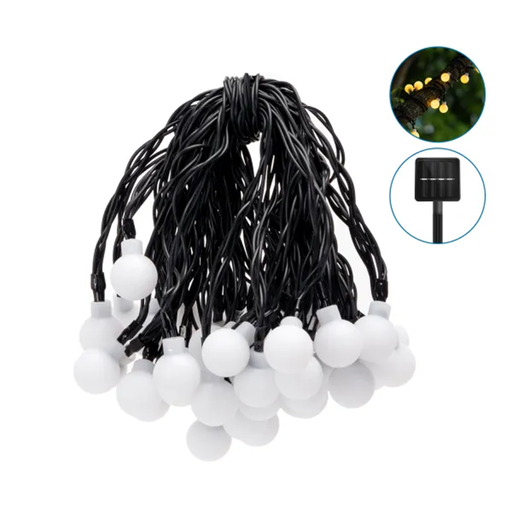
Why it's a great choice: Perfect for anyone looking to create a festive, bistro-like atmosphere or a cosy ambiance on a balcony, patio, or in the garden. Installation is a breeze and requires no technical skills.
Its 2700K (warm white) temperature guarantees a warm atmosphere, avoiding the sterile 'hospital' effect of a poor colour choice. Its IP65 rating ensures true weather resistance, going far beyond vague marketing claims.
Offers 8 different lighting modes to vary the mood, and its solar power makes it self-sufficient and cost-effective to run.
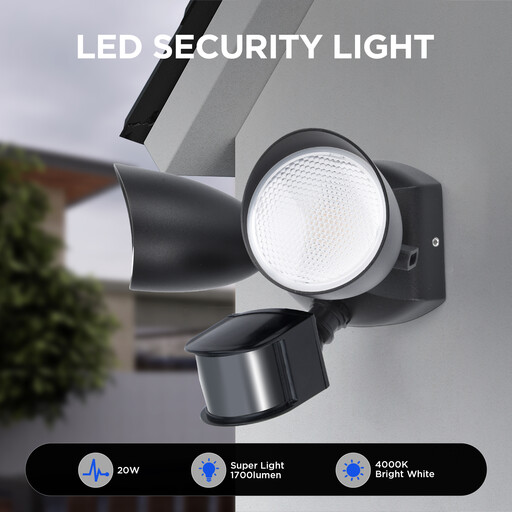
Why it's a great choice: Designed for those whose priority is securing an entryway, garage, or dark pathway. The motion detection triggers powerful illumination only when needed.
Its wired power source guarantees consistent performance, avoiding the trap of unreliable solar lights for security use. The 1700-lumen brightness and 4000K (neutral white) colour are clearly specified for effective, deterrent lighting.
The two adjustable heads allow you to direct the light precisely where it's needed, covering a wide area with a single unit.
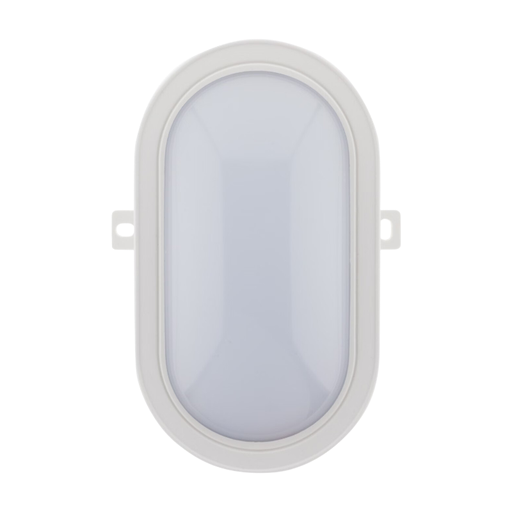
Why it's a great choice: For those who need a simple, durable, and functional light source for an entrance, garage, or cellar. Its versatile design fits in anywhere.
The IP44 rating is clearly stated and perfectly suited for its intended use (protected from splashes), avoiding the extra cost of a higher, unnecessary rating for a sheltered location. The 2700K light provides a welcoming glow.
The E27 LED bulb is replaceable, which significantly extends the product's lifespan, unlike many fixtures with non-replaceable integrated LEDs.
We have curated a full range of products that meet our quality criteria and current safety standards.
Yes, but their runtime will be reduced. A good solar light, with a well-sized photovoltaic panel and a sufficient battery capacity, will continue to function. You just have to accept that the lighting duration will be shorter due to the limited sunlight. For decorative or pathway lighting, it remains a great solution. For security needs, a wired model is essential during the winter months.
For a patio where you plan to dine or entertain, a brightness of around 300 to 500 lumens is generally comfortable. You can achieve this with a single wall light or by combining several lower-intensity sources, like spotlights or a string light, for a more layered and flexible atmosphere.
If you are replacing an existing light fixture, the job is manageable for an experienced DIYer, provided you shut off the power at the circuit breaker first. However, for any new installation that involves running a new electrical line, it is imperative to hire a qualified electrician to ensure the installation is safe and compliant with local electrical codes.