
Livraison le jour même ou le lendemain

Qualité garantie

Débloquez vos offres de bienvenue: Livraison GRATUITE | Jusqu'à -80 % | 30 jours d'essai gratuits à JoyPlus
Téléchargez l'application
A well-chosen lantern is the finishing touch that transforms a bland patio into a cosy retreat, a dim garden into a magical setting, or a simple campsite into a memorable experience. The problem? The market is flooded with models making tempting promises that often don't survive the first heavy downpour. Before you buy, it's crucial to know the pitfalls to avoid so you don't regret your purchase.
Our mission: to guide you step by step. Let's break down the common mistakes and the criteria that truly matter to find the perfect outdoor lantern for your needs.
Falling in love with a design can quickly make you forget the essentials. Here are the three classic mistakes that turn a promising purchase into a real disappointment.
To avoid these unpleasant surprises, you just need to verify a few key technical points. These, not the marketing spiel, are what guarantee the quality and longevity of your future garden lantern.
This rating is non-negotiable for a product meant to live outdoors. It consists of two digits:
For an outdoor lantern, here are the ratings to look for:
The type of power supply determines your lantern's use and limitations.
The material of the frame is the best indicator of its resistance over time.
Rather than an endless list, we've selected specific models for clear needs. It's up to you to find the one that suits you.
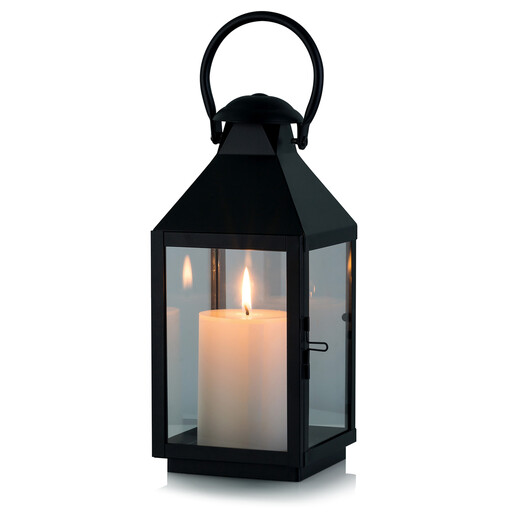
Why we chose it: Perfect for those seeking the authentic charm of a real flame. It creates an intimate and warm atmosphere, whether on a patio table, a mantelpiece, or for a special evening. Its classic style is timeless.
No electronics, no solar panel: this candle lantern knocks out problems with battery life and malfunctions. Its metal and glass structure is designed to safely hold a candle, without the risk of overheating from a shoddy design.
Its versatility. You can hang it by its ring or simply place it on a surface thanks to its stable base. Its classic look fits in anywhere, indoors or out.
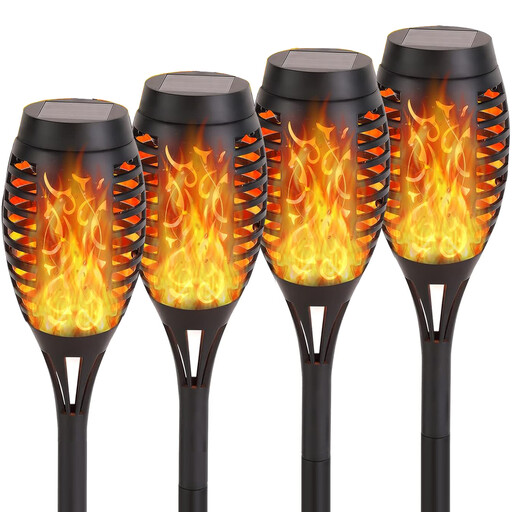
Why we chose it: Ideal for lining a pathway or accenting a flowerbed without any hassle. Just stake them in the ground, and you're done. These solar torches install in a flash and turn on automatically at dusk.
It tackles the problem of misleading weather resistance with its IP65 certification. This means it's designed to withstand powerful water jets (like driving rain or sprinklers), whereas low-end, merely "splash-resistant" models would have already failed.
The "wow" factor without the work. The flickering flame effect adds a warm and inviting touch along a path or in the garden, all with no wires or electricity bill.
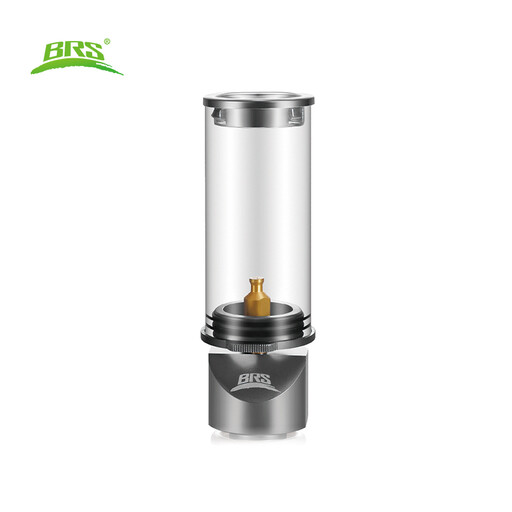
Why we chose it: The perfect companion for campers, hikers, and anglers who demand reliable, powerful, and ultra-compact light. Far from any power outlet or when the sun won't cooperate, it delivers.
No more dim light and unreliable battery life from solar gadgets. Here, butane gas guarantees powerful and stable illumination. Its design includes a heat-resistant tempered glass globe, a true mark of safety and durability in the field.
Its feather-light design. At just 10 cm long when folded and with retractable feet, you'll forget it's even in your backpack.
Explore our full selection of lanterns that meet all our criteria for quality and durability.
1. What is the lifespan of a solar lantern? It all depends on the quality of the battery and the solar panel. A good model will work optimally for 2 to 3 years. The real bonus? On quality lanterns, the battery (often a standard type like AA or 18650) is replaceable, which significantly extends the product's lifespan.
2. How do I maintain my outdoor lantern to make it last longer? It's simple, but essential. For a solar lantern, remember to clean the panel with a damp cloth to ensure an efficient charge. For metal models, check them from time to time to spot any rust (except on stainless steel). In winter, if you're not using them, store them in a dry, sheltered place to protect the electronics and battery.
3. Is an IP44-rated lantern sufficient for my garden? It all depends on its location. If the lantern is sheltered (under a porch, a pergola, or fixed to a wall under an eave), an IP44 rating is sufficient, as it won't be exposed to driving rain. However, if it's out in the open (placed on the lawn, for example), aim for an IP65 rating or higher. It's the guarantee that it will last much longer.