
Livraison le jour même ou le lendemain

Qualité garantie

Débloquez vos offres de bienvenue: Livraison GRATUITE | Jusqu'à -80 % | 30 jours d'essai gratuits à JoyPlus
Téléchargez l'application
Gearing up for an adventure can quickly become an overwhelming challenge. Between marketing promises and often-opaque technical jargon, it's easy to make a poor choice that you'll pay for dearly in the field. An uncomfortable backpack, a tent that leaks, or clothing that doesn't wick away sweat can turn a promising outing into a complete ordeal.
As a product expert at Joybuy, my role is to help you cut through the noise. Let's skip the fluff and focus on the essentials. Here are the two most common pitfalls to avoid and the objective criteria for choosing your outdoor gear correctly.
To avoid falling into these traps, you need to arm yourself with a few technical benchmarks. This is your best defence against unpleasant surprises.
This measurement quantifies a fabric's resistance to water pressure. It's a far more reliable indicator than a simple marketing claim.
The choice of material has a direct impact on your gear's lifespan and weight.
Gear can be perfectly waterproof, but if it isn't breathable, the moisture from your own sweat will condense on the inside. This guarantees a "sauna" effect. This criterion is essential for men's technical apparel, breathable running shoes, and tents. Look for mesh panels, adjustable vents on tents, or 3D-structured back panels on backpacks that promote air circulation, like those found on some trail running packs.
Every adventurer has different needs. Here are a few products that meet specific use cases, selected based on the criteria we've just discussed.
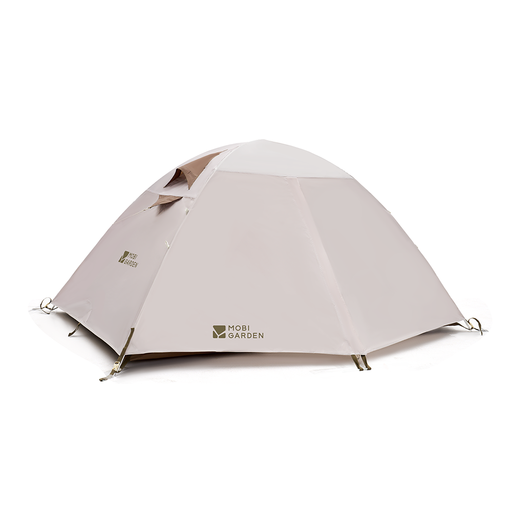
Why we chose it: Ideal for couples or friends heading out for 1 to 3 nights. Its weight of approximately 2.64 kg is well-balanced for hiking, and its dome structure with aluminium poles is stable and easy to set up.
It provides clear, verifiable waterproof ratings (rainfly PU2000mm, floor PU3000mm), which are more than sufficient for typical three-season weather, without making false promises.
The large mesh section of the inner tent ensures excellent ventilation, reducing condensation, while its double doors make access and life inside much easier.
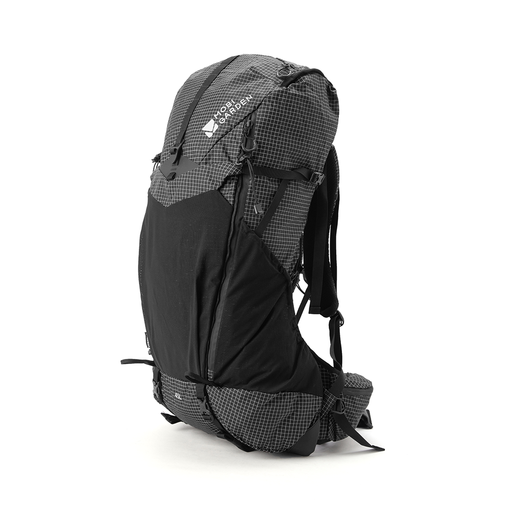
Why we chose it: For those who go on multi-day, self-sufficient trips where every gram counts. The 45L volume is perfect for 2 to 3 days of gear, and its weight of approximately 1.35 kg is remarkable for such a durable pack.
It avoids the "fragile ultralight" trap thanks to its Dyneema composite fabric, which offers extreme resistance to abrasion and tears without adding weight.
The 3D suspended and ventilated back panel system significantly reduces sweat and discomfort during long days of hiking—a detail that makes all the difference on ultralight packs.
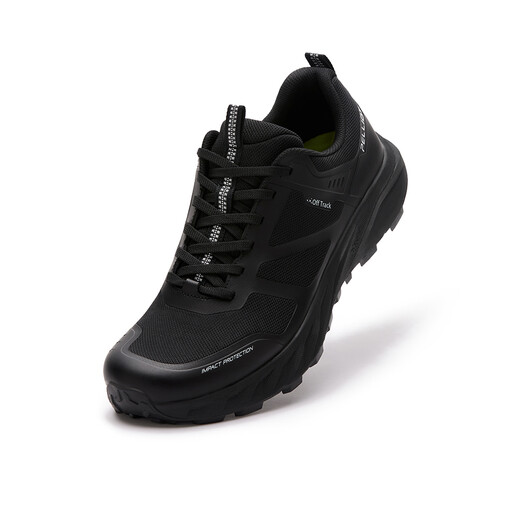
Why we chose it: For athletes who switch between road running, easy trails, and gym workouts. Lightness and breathability are the key priorities for maintaining comfort and performance.
They don't claim to be high-altitude mountain boots but instead focus on their strength: maximum breathability to wick away heat and sweat, thus preventing blisters and discomfort.
Their lightweight design reduces fatigue over time, making them suitable for varied training sessions without sacrificing the essential cushioning needed to absorb impact.
After the effort, it's time for comfort! Don't forget the importance of comfortable loungewear for recovery. Clothing like the AirySoft cotton gauze set from Purcotton is designed to be soft, lightweight, and breathable—perfect for relaxing after a long day outdoors.
We've compiled a complete selection of products that meet our high standards for quality and performance.
The most important thing is to always store it clean and completely dry. For a tent, shake out any debris and let it air-dry (never in direct sunlight) before folding it. Avoid folding it the same way every time to prevent weakening the fabric along the creases. For sleeping bags, air them out after each use and only wash them when necessary, using a special detergent.
Yes, in the vast majority of cases. A rainfly with a 2000 mm rating will effectively protect you from continuous, moderate rain, which covers most 2- to 3-day hiking scenarios. For high-mountain expeditions or in very rainy regions, a higher rating will provide welcome peace of mind.
Waterproof gear protects you from the rain, it's true. But well-ventilated gear protects you from yourself! Without good air circulation, the water vapour from your sweat condenses on the inner wall of your tent or jacket. The result is an unpleasant, clammy feeling, even without a single drop of rain. It's the key to comfort.