
Livraison le jour même ou le lendemain

Qualité garantie

Débloquez vos offres de bienvenue: Livraison GRATUITE | Jusqu'à -80 % | 30 jours d'essai gratuits à JoyPlus
Téléchargez l'application
Whether you're napping in the garden, fishing by a lake, or camping in the mountains, the right gear can turn a simple outing into an unforgettable experience. The problem? The market is flooded with products making tempting promises that, once you're out in the field, simply don't hold up. As a product expert for our editorial team, my mission is to help you cut through the noise and make the right choice based on criteria that truly matter.
Before you commit to a purchase, here are three common pitfalls to avoid buyer's remorse:
To avoid being misled, focus on objective technical specifications. These details—not marketing hype—are the true indicators of a product's quality and suitability for your needs.
This is the skeleton of your gear. Two main materials dominate the market:
Always check the static load capacity specified by the manufacturer. This is a guarantee of safety and longevity. An X-frame or triangulated design is often a good indicator of stability.
True, lasting comfort comes down to the fabric. Oxford fabric is a benchmark in this category. Often available in different thicknesses (measured in denier), it offers excellent resistance to abrasion and tearing. For hot days, a breathable fabric or a design with mesh panels is a real plus.
Ergonomics are just as crucial for comfortable outdoor furniture. Look at the shape of the seat: does it support your back properly? Is the seat height comfortable for getting up without a struggle? A removable headrest, a footrest, or armrests can significantly enhance the experience.
Good portable gear must be intuitive to use. A simple folding system that doesn't require excessive force or complex steps will save you a lot of frustration in the field. Before buying, check the product's folded dimensions. Will it fit easily in your car trunk or backpack? A carrying bag is a definite bonus.
To illustrate our points with concrete examples, here are a few products that meet very specific needs.
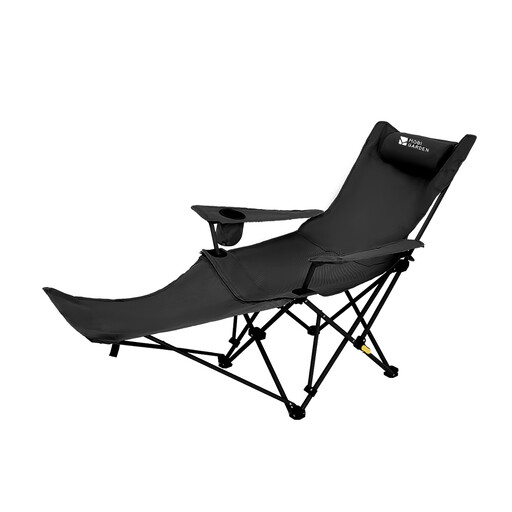
Why we chose it: Perfect for those who prioritise comfort above all else, whether for a nap on the balcony, a day of fishing, or a break at the campsite. Its multi-angle reclining system allows you to switch easily from a seated to a reclined position.
It avoids the ultralight trap by relying on a thickened carbon steel frame (weighing 4.45 kg) for a 110 kg load capacity. Its ergonomic design with a footrest prevents the discomfort common in poorly designed chairs.
Thick, durable Oxford fabric. Intuitive three-step folding. Practical accessories: cup holder and side storage pocket.
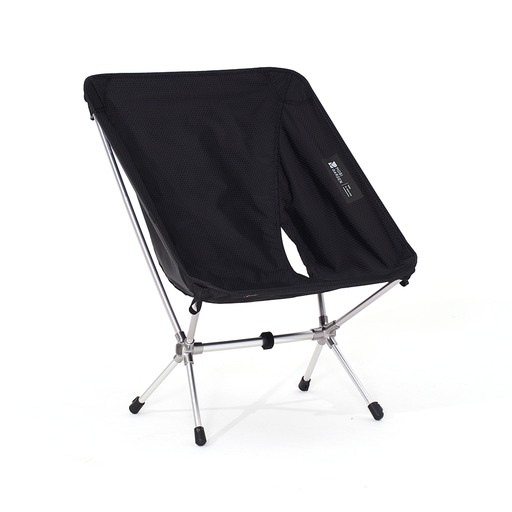
Why we chose it: Designed for those for whom every gram counts. Weighing just 765 g and packing down to an ultra-compact 36 cm in length, you'll barely notice it in your hiking or fishing bag.
It sidesteps the "false lightness" trap with its aircraft-grade aluminium alloy frame and stable, triangulated structure, supporting up to 140 kg. Its quick-folding system eliminates any setup headaches.
Featherlight 765 g weight. Tear-resistant, high-tension Oxford fabric. Non-slip rubber feet for excellent stability.
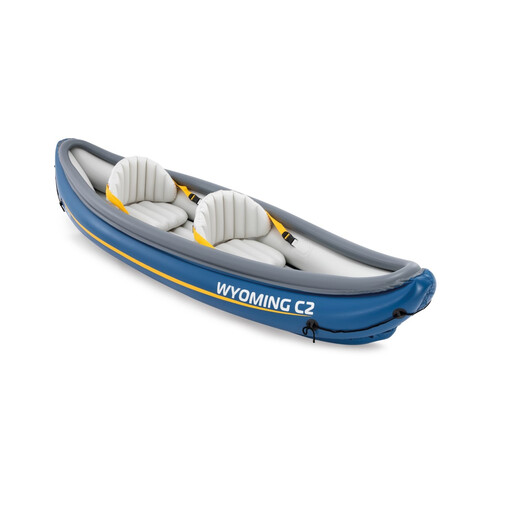
Why we chose it: The ultimate portable solution for two-person excursions on calm waters. This inflatable kayak is designed for easy transport and setup for trips on lakes or gentle rivers, with a load capacity of 180 kg.
It eliminates the transport and storage hassles of rigid kayaks. Comfort is also a priority, with adjustable inflatable seats featuring backrests and an inflatable floor that adds rigidity for greater stability.
Reinforced vinyl construction (0.75 mm). Boston valve for fast inflation/deflation. Removable skeg for improved tracking.
Discover our complete selection of products that meet our quality charter and all applicable safety standards.
Its lifespan depends primarily on the quality of its materials and your maintenance routine. A model with an anti-corrosion treated steel or high-quality aluminium frame, paired with a robust Oxford fabric, can accompany you for many seasons. The secret? Clean it after every trip, ensure it is completely dry before storing it, and avoid leaving it unnecessarily exposed to sun or rain.
It all depends on your use case.
It's simple, but crucial. After each use, wipe it down with a damp cloth to remove any mud, dust, or sand. Avoid harsh detergents. Allow the gear to air-dry completely in a shaded area to prevent rust and mildew. Finally, store it in its bag in a dry place, away from direct sunlight.