
Livraison le jour même ou le lendemain

Qualité garantie

Débloquez vos offres de bienvenue: Livraison GRATUITE | Jusqu'à -80 % | 30 jours d'essai gratuits à JoyPlus
Téléchargez l'application
The call of the wild is irresistible, but nothing is more frustrating than gear that fails you mid-adventure. Choosing your outdoor gear can quickly become overwhelming when navigating the marketing jungle. Between promises of extreme lightness and superficial versatility, it's easy to end up with unsuitable equipment that won't even last the season. Before you pull out your credit card, it's crucial to read between the lines of product descriptions.
Here are the two most common pitfalls to avoid?:
To make an informed choice, you need to focus on objective characteristics. These are what define the true quality and durability of your outdoor equipment.
The lifespan of your equipment depends directly on its design. For camping furniture, like a folding camp table or a chair, opt for structures made of aluminum alloy. This material offers an excellent strength-to-weight ratio and, as a significant advantage, it doesn't rust. Examine the frame's design?: a cross-braced X-structure, for example, ensures much better load distribution and superior stability compared to simple straight legs.
For a trekking backpack, the choice of fabric is paramount. Materials like Dyneema Composite Fabric are renowned for their exceptional resistance to tearing and abrasion, while remaining incredibly lightweight. It's a wise investment for bivouac gear that's built to last.
Don't just rely on the weight shown on the label. The product's compactness when folded is just as crucial. A table might be light, but if its various parts are bulky when disassembled, transporting it becomes a nightmare. Good design translates to optimized storage in a compact carry bag. Check the folded dimensions and make sure they are compatible with the space available in your car trunk or backpack.
Comfort is not a luxury, especially after several hours of use. For a reclining garden chair, the ability to adjust the recline to multiple positions, the presence of a headrest, or a breathable fabric are major assets. For a backpack, a 3D suspended back panel is a real plus?: it promotes air circulation, thus reducing sweat and fatigue during long hikes. Likewise, well-padded and adjustable shoulder straps and a hip belt are non-negotiable for optimal load distribution.
To help you make sense of it all, here are a few products that perfectly illustrate these criteria, each suited for a specific use.
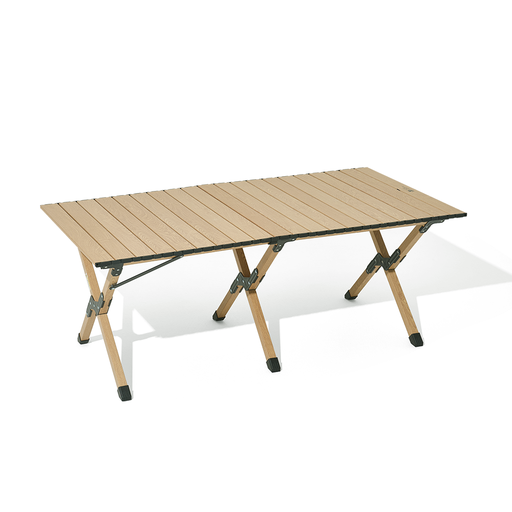
Why we chose it ? Ideal for car campers and families looking for a large, stable surface for meals. Its large size (116 cm) can comfortably accommodate several people, and its structure packs down very compactly for transport.
This model doesn't sacrifice sturdiness for the sake of weight. Its cross-braced X-structure and reinforced aluminum alloy top guarantee excellent stability, a far cry from the "wobbly table" effect of many ultralight products.
Its large surface area and high load capacity, combined with incredibly simple assembly and disassembly. The non-slip PVC feet enhance safety on all types of terrain.
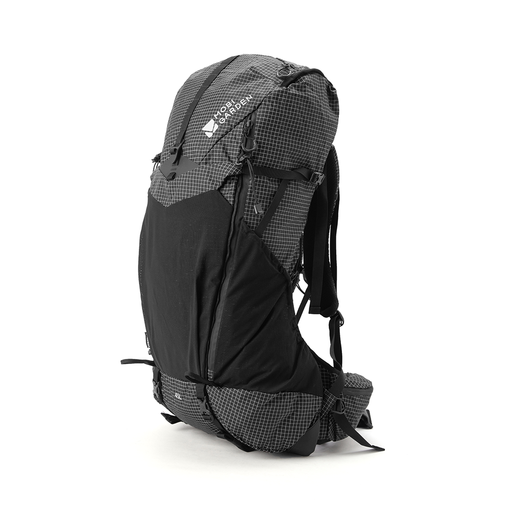
Why we chose it ? Designed for hikers who count every gram without ever sacrificing durability. Its 45L volume is perfect for 2- to 3-day trips, and its features are designed for long-term comfort.
It embodies the perfect balance between lightness and robustness. The use of Dyneema Composite Fabric gives it top-tier abrasion and tear resistance, where a standard "ultralight" pack would have already failed.
The 3D suspended back panel ensures impressive ventilation, while multiple external attachment points allow you to secure trekking poles and a sleeping pad.
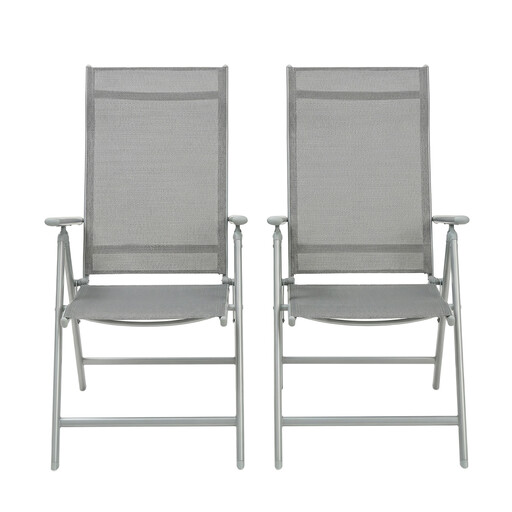
Why we chose it ? Perfect for those who prioritize comfort and sturdiness for their outdoor space, without the hassle. These chairs are built for relaxation, with their adjustable backrest and solid frame, while remaining easy to store when the season is over.
It doesn't fall into the "false versatility" trap. This is an unapologetic reclining garden chair, designed for static comfort, not a hybrid product that would be uncomfortable for camping and useless for hiking.
The 8-position reclining backrest and the maximum supported weight of 150 kg per chair are testaments to a robust design, engineered for customized comfort.
Explore our complete, up-to-date selection of products that meet our demanding selection criteria and current standards.
Proper maintenance is the key to longevity. For furniture, clean the surfaces with a damp cloth after each use, especially near the sea or in a dusty environment. Make sure everything is completely dry before storing the gear in its bag to prevent mildew. For backpacks, empty them completely, clean stains by hand, and let them air dry, away from any direct heat source (radiator, direct sunlight...). And most importantly, never put them in the washing machine!
A 45-liter volume is an excellent compromise, ideal for 2- to 3-day hikes if your gear is optimized (lightweight tent, compact sleeping bag, freeze-dried food). For longer expeditions or in winter conditions, where equipment is bulkier, a 60-liter pack or larger will be more suitable.
A classic folding table folds in half or in quarters, like a suitcase. It's often quicker to set up but remains quite bulky when folded. In contrast, a roll-up table, like the Mobi Garden model in our selection, has a slatted top that rolls up and a frame that disassembles. This design results in a much more compact package when stored in its bag, a decisive advantage for optimizing space in a car trunk.