
Livraison le jour même ou le lendemain

Qualité garantie

Débloquez vos offres de bienvenue: Livraison GRATUITE | Jusqu'à -80 % | 30 jours d'essai gratuits à JoyPlus
Téléchargez l'application
An outdoor garden privacy screen can sometimes transform a fence, balcony or patio into a more private space. However, a poorly chosen screen can sag within a few weeks, fade in the sun or provide a level of privacy that differs significantly from what was advertised. Before placing your order, take the time to compare the material, dimensions, level of opacity and fixing system.
This guide reviews the most common pitfalls and presents a selection of Tenax products suited to a range of uses.
The percentage of opacity depends on the weave, colour, distance between the screen and the observer, as well as the amount of light. A garden privacy mesh advertised as providing 90% screening will therefore not block views in the same way as a completely opaque screen.
To separate a garden area or preserve the privacy of a balcony overlooked by neighbours, always check the level of opacity specified by the manufacturer. An open mesh may be enough to reduce visibility and cut some of the wind, but it will not create a completely closed screen.
A privacy screen adds a solid or semi-solid surface to a fence. The denser it is, the more pressure gusts exert on posts, panels and fasteners. If it is fixed at only a few points, the screen may develop creases or tears, or even be ripped away entirely.
Distribute the fasteners across the full height and length. If your fence is already several years old, also check the condition of the posts before installing an opaque screen.
A green privacy screen blends easily into a garden, but its colour alone says nothing about its UV resistance or weave density. Conversely, a more refined model may be ideal for a patio without offering the same level of privacy as a tightly woven screen.
Your comparison should be based on concrete factors: weight per square metre, dimensions, mesh structure, eyelets, stated UV resistance and compatibility with the intended location.
Expressed in g/m², the weight per square metre corresponds to the amount of material used per unit of surface area. It is not enough on its own to determine a product’s lifespan, but it does make it possible to compare screens with different designs. With its stated weight of 230 g/m², the dense raschel fabric of the Tenax Coimbra is more substantial than a lightweight mesh designed primarily to filter wind.
A dense woven privacy screen is better suited to fences and areas where privacy is the main priority. A more open mesh may be preferable if your priority is to allow more air to circulate.
Start by measuring the length of the fence, the available height and the extra material needed to secure the screen. A height of 1 m or 1.5 m is often suitable for a balcony railing, while a 2 m screen meets many requirements around a garden.
Some models can be cut to size, but always check the risk of fraying after cutting. The Tenax Coimbra is advertised as cuttable without fraying, making it easier to fit around a post or into a corner.
Integrated eyelets make installation easier with cable ties, hooks or compatible fasteners. Secure the edges at regular intervals and avoid overstretching the screen. Excessive tension can weaken the eyelets when the wind picks up.
For maintenance, rinsing with clean water and gentle cleaning are generally sufficient. Do not apply abrasive products without consulting the manufacturer’s recommendations. An outdoor privacy screen is not a load-bearing barrier, guardrail or climbing support.
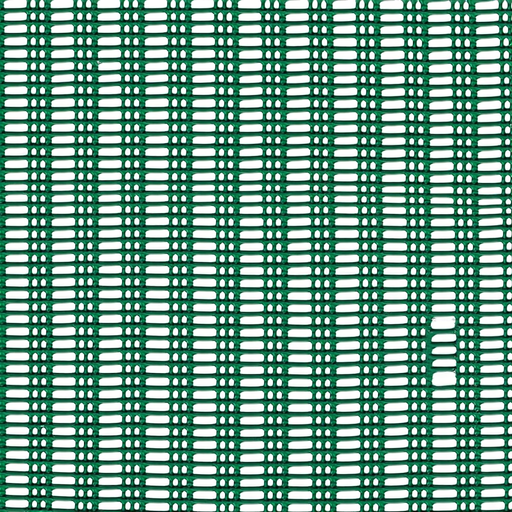
Why this choice suits this profile: This green mesh is suitable for gardens and balconies where the main aim is to reduce wind and visibility. Its 5 m roll can be adapted to a fence or railing.
Its alternating mesh structure is designed to reduce wind exposure. It should not, however, be mistaken for a fully opaque screen.
A 1 x 5 m format, stated UV stabilisation and enough flexibility to adapt to different configurations.
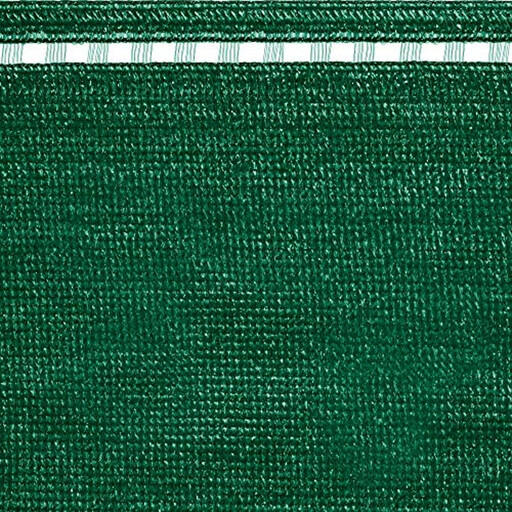
Why this choice suits this profile: Standing 2 m tall and made from raschel fabric with a stated weight of 230 g/m², it is designed for fencing projects where blocking views is the priority.
The stated weight helps place its density in context compared with lighter screens. Eyelets distributed around the perimeter eliminate the need for makeshift solutions during installation.
A 2 x 5 m format, a green finish, stated cut-to-size capability without fraying and installation either vertically or horizontally.
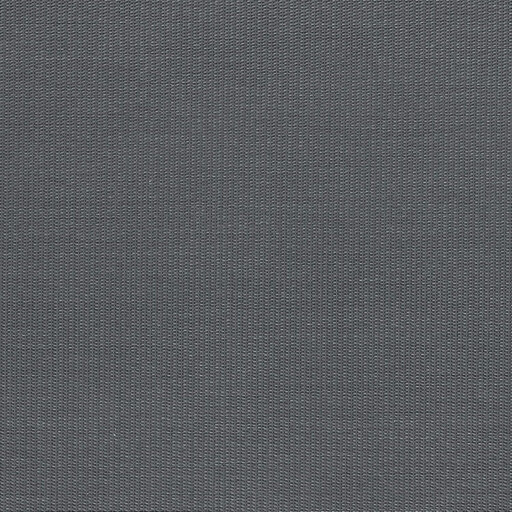
Why this choice suits this profile: With its steel-grey finish, this model is aimed at homeowners and tenants looking for a decorative privacy screen for a patio, façade or modern railing.
It prioritises a decorative finish and reduced visibility without promising uniform opacity in every condition.
A 1 x 5 m format, integrated eyelets and a surface designed for outdoor use, wind, bad weather and UV exposure, according to the product specification.
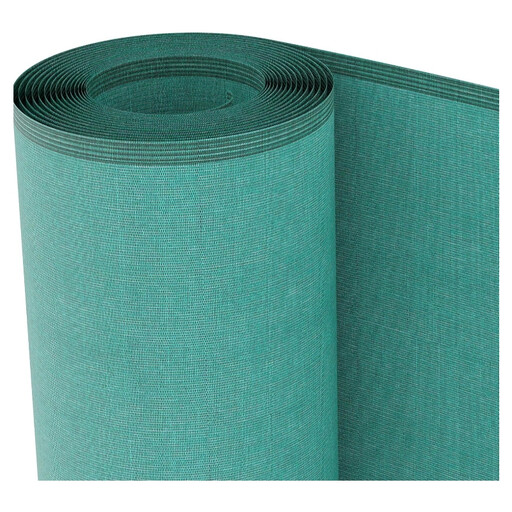
Why this choice suits this profile: With its 10 m length, this roll is suitable for extended fences, large patios and projects requiring continuous coverage.
Its stated 90% shading rate does not equate to complete privacy. This distinction helps you choose the screen according to the available light and the desired level of privacy.
A 1.5 x 10 m format, polyethylene stated to be UV-resistant and reinforced edges, according to the supplied description.
We have brought together an updated selection of products suited to different requirements for dividing, screening and protecting outdoor spaces.
For a balcony in a shared residential building, consult the building regulations before installing a privacy screen. The colour, height and type of fixing may be subject to restrictions. If you are renting, opt for a removable installation and do not drill into any support without permission.
A windbreak mesh generally has a structure that allows some air to circulate while reducing the force of draughts. Denser, an opaque fence screen is primarily designed to limit visibility. The two functions can overlap, but you should examine the opacity level and structure of each product.
It depends on its exposure to UV rays, bad weather, the tension created by the wind and the quality of the fasteners. UV-stabilised material may retain its colour for longer, depending on the characteristics stated by the manufacturer, but no screen will remain like new in every condition. An annual inspection of the eyelets and fasteners is strongly recommended.
Some models can reduce brightness or provide shade when installed horizontally, in the manner of a shade cloth. However, they do not replace a load-bearing structure or safety equipment. Before any horizontal installation, check the instructions, the strength of the support and the expected weather conditions.