
Livraison le jour même ou le lendemain

Qualité garantie

Débloquez vos offres de bienvenue: Livraison GRATUITE | Jusqu'à -80 % | 30 jours d'essai gratuits à JoyPlus
Téléchargez l'application
Whether for a nap in the garden, a fishing trip by the lake, or simply lounging in the sun on your balcony, an outdoor folding chair is an essential accessory. The problem? The market is saturated with models that make enticing promises but often disappoint in practice. A frame that rusts after the first rain shower, a seat that sags after just three uses... these are disappointments you can avoid.
As a product expert at Joybuy, my mission is to help you see things more clearly. Let's cut through the marketing jargon and get straight to the point: the criteria that truly matter. Here’s how to avoid the common pitfalls and choose a folding chair that will last for years to come.
Choosing a folding chair might seem simple. However, certain technical details, often overlooked, make all the difference between a sound investment and a purchase you'll immediately regret.
1. The Illusion of Durability: When Steel Isn't Treated Many entry-level chairs feature a steel frame, marketed as a guarantee of sturdiness. The catch? If this steel isn't protected by an epoxy treatment or a quality anti-corrosion coating, the first downpour or even ambient humidity will be enough for rust spots to appear. The structure then visibly weakens, compromising both its appearance and your safety.
2. The Comfort Mirage: Sagging Padding and Stretched Fabric A thick seat isn't necessarily a guarantee of long-term comfort. Low-quality foam padding will lose all its volume and support after just a few weeks. The same goes for the fabric: a cheap, common polyester is likely to stretch, fade in the sun, and retain heat, turning your relaxing break into a torture session on hot days.
To make the right choice, focus on three fundamental points: the frame, the fabric, and the weight capacity.
The frame material is crucial for your chair's weight, durability, and intended use.
The comfort and lifespan of your seat depend directly on the quality of the fabric.
The maximum static load capacity indicated by the manufacturer is a detail not to be overlooked. It corresponds to the weight the chair can support when stationary. For safety, always choose a model with a stated capacity that is higher than your weight, with a little extra margin. Stability, meanwhile, is often ensured by a cross-frame (X-shaped) structure or a triangular design. These designs distribute weight more effectively and prevent the chair from tipping over on slightly uneven ground.
To give you a concrete idea of what's available, here are a few models that suit different user profiles.
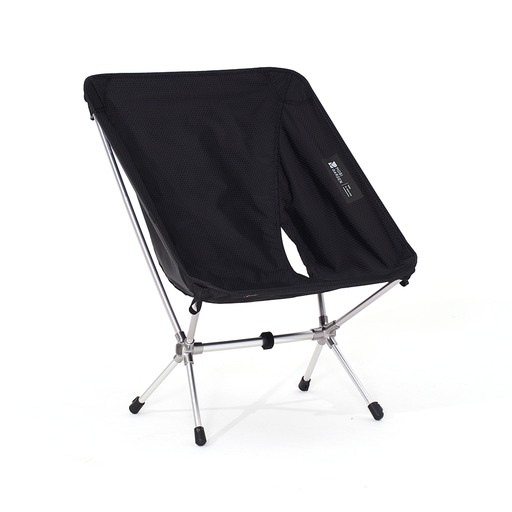
Why we chose it: For those who count every gram in their backpack, this chair is a small wonder. Its feather-light weight and ultra-compact folded size mean you can take it absolutely anywhere, from hiking to bivouacking.
It solves the weight vs. strength dilemma with an aerospace-grade aluminium alloy frame and a triangulated design. The result? An impressive load capacity (140 kg) for a record-breaking weight of 765 g.
Weighs just 765 g and has a minimal footprint (36 cm long when folded in its bag).
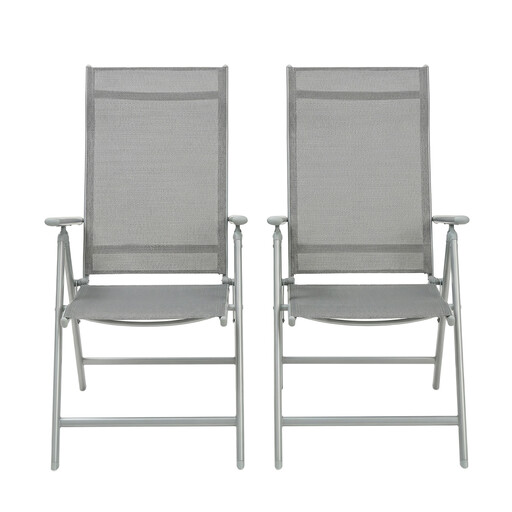
Why we chose it: Perfect for those who want to turn their patio or garden into a true haven of peace. This model is designed for long-term relaxation, whether you're devouring a book or taking a nap in the sun.
It avoids the false-comfort trap with a genuine foam-padded cushion and a breathable synthetic fabric. Here, the comfort is real and built to last. Its sturdy aluminium frame supports up to 150 kg.
8-position adjustable backrest and a removable cushion for tailored comfort, worthy of a true folding sun lounger.
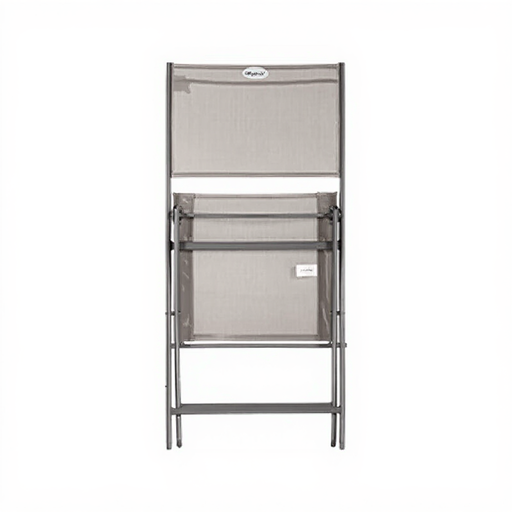
Why we chose it: A simple, effective, and no-frills chair. It's perfect as an extra seat on a balcony, for an impromptu picnic, or for hosting guests in the garden. Its versatile design fits in with any decor.
It avoids the false-sturdiness trap by relying on proven performers: an epoxy-treated steel frame, which combines strength with rust resistance, and a Textilene seat, renowned for its durability and ease of maintenance.
An excellent value for money. The secret? It focuses on reliable, durable materials rather than superfluous gadgets.
Discover our complete, up-to-date selection of products that meet our demanding selection criteria and current safety standards.
It all depends on the materials and maintenance. A model with an aluminium or epoxy-treated steel frame and a quality fabric (like Textilene) can last for many years. To maximise its lifespan, remember to clean it after each use and store it in a dry place, out of the sun, during long periods of non-use (like winter).
Nothing could be simpler. A damp cloth and a little soapy water are all you need for the frame and fabric. Avoid harsh detergents or hard brushes that could damage the coatings. Most importantly, make sure the chair is completely dry before folding it and storing it in its bag to prevent mould or rust.
Yes, without a doubt. Modern aluminium alloys used in outdoor furniture offer an exceptional strength-to-weight ratio. A well-designed aluminium folding chair with reinforced joints can easily support a static load of 100 to 150?kg while remaining feather-light. That's the beauty of the technology: combining strength with portability.