
Livraison le jour même ou le lendemain

Qualité garantie

Débloquez vos offres de bienvenue: Livraison GRATUITE | Jusqu'à -80 % | 30 jours d'essai gratuits à JoyPlus
Téléchargez l'application
The arrival of sunny days often brings with it the desire to share a meal outdoors. Whether it's for an impromptu barbecue in the garden, a plancha on the balcony, or a hot meal mid-hike, a good outdoor cooking appliance makes all the difference. However, the market is flooded with models making tempting promises that can quickly lead to disappointment. To help you see more clearly, we've identified the common pitfalls to avoid and the essential criteria to check before you buy.
The goal isn't to present one "ideal" product, but to give you the keys to choosing the equipment that truly fits your lifestyle. Let's break down the key points to watch for together.
Before being swayed by an attractive design or price, it's crucial to know the recurring flaws that make an appliance impractical, or even unusable, in the long run.
The "False Portability" Trap: Many appliances are labelled "portable" but turn out to be heavy, bulky, or complex to assemble and disassemble. A folding barbecue that requires ten minutes and several tools to become operational loses all its appeal for on-the-go use. Always check the weight, folded dimensions, and the simplicity of the mechanism.
The Fragility of Low-Quality Materials: This is a frequent pitfall. A chassis made of thin steel can warp from the heat after just a few uses. Similarly, a cooking grate with a poor-quality coating will quickly flake, making it unfit for food contact and promoting rust. The durability of an outdoor cooking appliance directly depends on the quality of its components.
The Illusion of Versatility: Some models promise to do it all: grill, plancha, stove... While the idea is appealing, the performance rarely delivers across all functions. It is often wiser to choose a specialised, high-performing appliance in its field (a good plancha, an efficient camping stove) rather than a mediocre multi-purpose one.
To avoid making a mistake, focus on a few objective technical characteristics that determine if a product is truly right for you.
The choice of fuel is critical and depends on your location and preferences.
The longevity of your appliance will directly depend on the materials used.
For portable cooking, smart design is just as crucial. A folding barbecue must have solid hinges and a secure locking system.
Estimate the required cooking surface based on the typical number of guests. As a rule of thumb:
Here are a few options that cater to distinct user profiles, taking into account the quality and practicality criteria we've discussed.
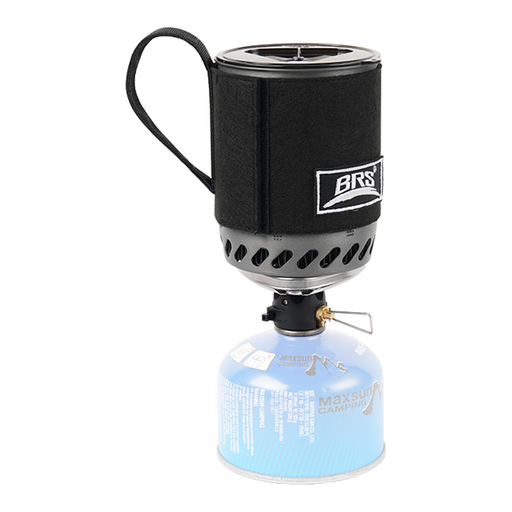
WHY IT'S A MATCH: Ideal for solo or duo hiking and backpacking trips. This integrated cooking system is designed for maximum portability, where every gram counts. It slips easily into a backpack without sacrificing the efficiency needed to boil water or prepare a hot meal in the wild.
It sidesteps the false portability trap. With a total weight of 360 grams and a design where all components nest inside the pot, it embodies true nomadic cooking.
All-in-one system (burner, pot, lid) with integrated ignition. The regulator valve allows for precise flame control, a valuable feature in windy conditions.
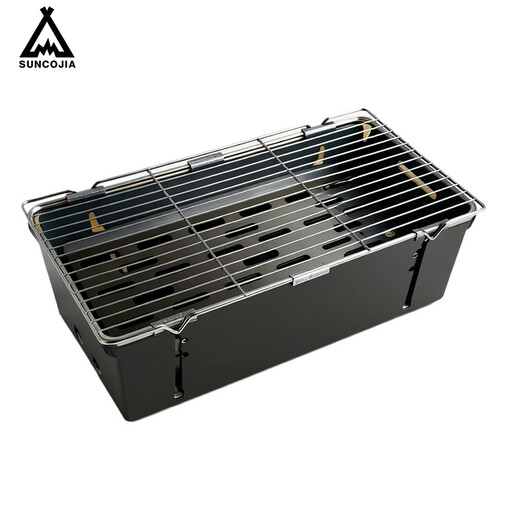
WHY IT'S A MATCH: Designed for family outings, picnics in the park, or barbecues in a small garden. Its folding design makes it easy to transport in a car trunk and set up in seconds for a friendly grill session.
It addresses the problem of flimsy materials. Its body is made of heavy-gauge carbon steel to resist warping, and its 201 stainless steel cooking grate is a guarantee of longevity.
Ultra-fast, one-piece folding with no parts to assemble. It comes with an Oxford fabric storage bag, which greatly simplifies transport and storage.
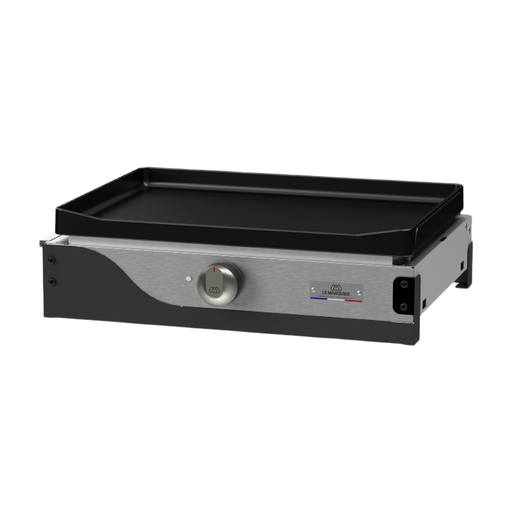
WHY IT'S A MATCH: Perfect for those living in an apartment with a balcony or a small terrace. It allows you to enjoy the pleasures of outdoor cooking without the constraints of smoke or fuel storage, while complying with most condo association rules.
It avoids the trap of mediocre versatility by focusing on a single function: plancha cooking. Its enamelled cast iron plate and adjustable thermostat from 50 to 250°C ensure precise and even cooking performance.
High-quality materials with an enamelled cast iron plate. The "Origine France Garantie" (Made in France) certification and compliance with the IPX4 water resistance standard are marks of quality and safety.
We have compiled a complete and updated list of products that meet these strict selection criteria and safety regulations.
Longevity mainly depends on two factors: the quality of the materials and maintenance. A model with a thick steel frame and a stainless steel or enamelled cast iron grate will last for many years. Conversely, an entry-level model made of thin sheet metal may show signs of weakness (rust, warping) after one or two seasons. Regular cleaning and storage away from moisture are essential to extend its life.
The use of gas appliances on balconies is often subject to condo association rules. Many prohibit it for safety reasons. It is imperative to consult these regulations before any purchase. If use is permitted, ensure the balcony is well-ventilated and never place the appliance near flammable materials. The electric plancha remains the safest and most widely accepted alternative in urban environments.
For a barbecue grate, the easiest method is pyrolysis: leave the grate over hot coals (or turn the gas to maximum) for 10-15 minutes with the lid closed. The residues will be carbonised and can be easily removed with a wire brush. For an enamelled cast iron plancha plate, cleaning is done while the plate is still warm by pouring a little water or ice cubes to deglaze it, then scraping with a spatula. Finish with a sponge and dish soap once the plate has cooled. Never use abrasive utensils that could scratch the enamel.