
Livraison le jour même ou le lendemain

Qualité garantie

Débloquez vos offres de bienvenue: Livraison GRATUITE | Jusqu'à -80 % | 30 jours d'essai gratuits à JoyPlus
Téléchargez l'application
Whether you're crossing the city in a downpour or planning a mountain hike, choosing the right outdoor clothing and accessories is crucial. The market is flooded with marketing promises, but in the field, not all gear is created equal. As the Head of Product Recommendations at Joybuy, my mission is to help you decode spec sheets to make an informed choice that's perfectly suited to your needs. This guide focuses on the most common pitfalls and the technical criteria you absolutely must check before buying.
Purchasing technical gear can quickly lead to disappointment if you only listen to the siren song of marketing. Here are three common mistakes that are costly, both literally and figuratively.
To avoid these traps, simply focus on a few objective technical specifications. These are the true arbiters of a product's performance.
For a hiking jacket or a hardshell jacket, two measurements are fundamental:
For effective sun protection, whether for clothing or a UV-protection umbrella, the only reliable indicator is the Ultraviolet Protection Factor (UPF).
For camping gear or an everyday accessory like a compact umbrella, every gram counts.
Let's get practical. Here are a few products that cater to specific user profiles, keeping our performance criteria and the pitfalls to avoid in mind.
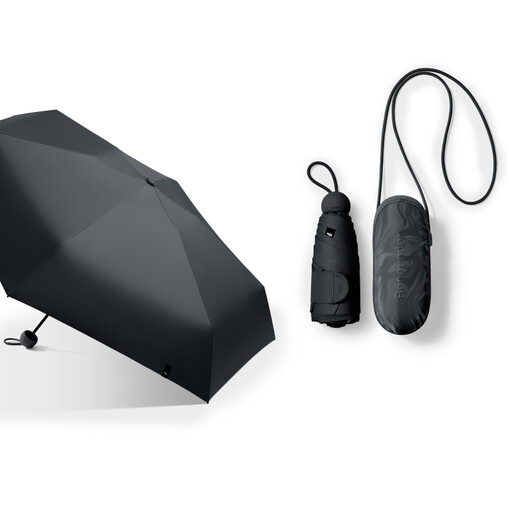
Why we recommend it: Perfect for daily commutes, it slips into any bag. Its modern design and capsule-shaped carrying case make it an accessory that's as practical as it is stylish for facing sun and rain in the city.
It perfectly sidesteps the "false compactness" pitfall. At 19 cm when folded and weighing just 248g, it's a true, portable travel umbrella.
Dual protection: its L.R.C coating provides UPF 50+ sun protection while also being water-repellent and wind-resistant.
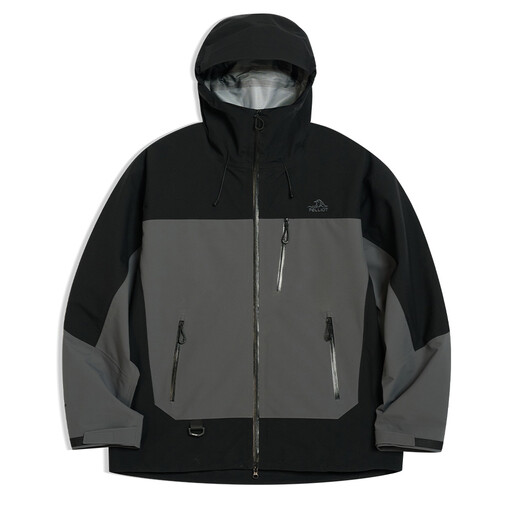
Why we recommend it: Designed for those who move between the office and the hiking trail, this jacket offers reliable protection without sacrificing style. It's ready for sudden weather changes, whether in the city or on a forest getaway.
It avoids the "waterproof mirage" pitfall. Its "storm-proof" technology is designed to withstand driving, prolonged rain, going far beyond a simple water-repellent treatment.
Its versatility: it's a windproof jacket that is also waterproof and breathable, with an abrasion-resistant fabric. It's as comfortable for trekking as it is for bike commuting.
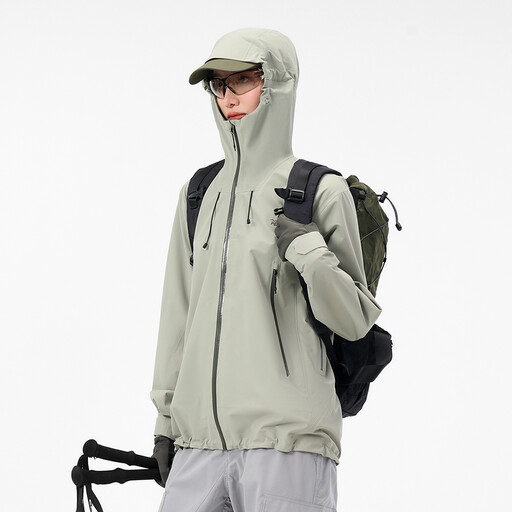
Why we recommend it: For those who venture into high mountains or face extreme conditions. This "Pro" version is packed with advanced features for safety and comfort during the most intense activities.
It makes no compromises on performance. It includes large zippered underarm vents for optimal thermal regulation and a RECCO reflector, a non-negotiable safety feature for off-piste adventures.
Top-tier technical performance: a lighter, stretchier fabric, increased waterproofing and breathability, and safety features designed for the harshest environments.
We have compiled a complete selection of products that meet these strict selection criteria.
1. What is the difference between a waterproof and a water-repellent jacket? A water-repellent jacket has a surface treatment that causes water to bead up. This is effective against drizzle or a light shower. A waterproof jacket, however, incorporates a membrane (like Gore-Tex or a proprietary technology) that acts as a physical barrier against water, while still allowing perspiration to escape. It will therefore keep you dry, even in a downpour.
2. How do I care for my technical jacket to make it last longer? Remember to close all zips before washing. Use a cold, gentle cycle and a mild detergent, ideally one specifically for technical apparel. Most importantly, never use fabric softener, which clogs the membrane's pores. To reactivate the DWR (Durable Water Repellent) finish, a run in the dryer on low heat is often effective (check the label!). After several washes, applying a re-waterproofing spray may be necessary.
3. Is a UV-protection umbrella really effective against the heat? Absolutely. A quality model with a dark, opaque inner coating (like the L.R.C Black Coating) absorbs some of the infrared radiation in addition to UV rays. The result: the shade it casts is cooler and far more comfortable than that of a standard umbrella. The sensation of heat in direct sunlight is noticeably reduced.