
Livraison le jour même ou le lendemain

Qualité garantie

Débloquez vos offres de bienvenue: Livraison GRATUITE | Jusqu'à -80 % | 30 jours d'essai gratuits à JoyPlus
Téléchargez l'application
The arrival of warmer weather signals the return of drinks on the patio and naps in the garden. Choosing an outdoor chair seems simple enough. Yet, all too often, that in-store impulse buy turns into a disappointment after just one season: a squeaky frame, sun-faded fabric, or worse, rust spots dotting the structure after a few rain showers.
Before you make your choice, it's essential to understand the most common pitfalls so you don't invest in a product that fails to deliver on its promises.
To avoid these disappointments, you need to focus on a few technical details that never lie. This is where the true quality and durability of your future outdoor chair are found.
The choice of structure is critical to your chair's longevity.
The seat must be both comfortable and able to withstand the elements (UV rays, rain, stains).
If your chair is meant to travel, from the patio to the garden or even as a beach chair, there are two numbers to scrutinise: the weight and the bulk when folded. A portable chair worthy of the name generally weighs less than 4 kg and fits into a compact carrying bag. For purely stationary use on a balcony, weight is a less critical factor.
Rather than searching for a one-size-fits-all solution, it's better to choose a chair perfectly suited to your primary use case.
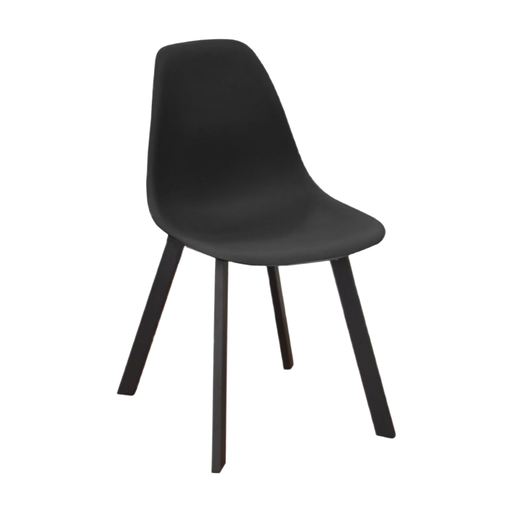
The Perfect Match: Ideal for those who want a garden chair with a bold design, without the hassle of maintenance. Perfect for stylishly furnishing a patio or balcony and forgetting about the weather.
With its epoxy-coated aluminium structure and resin shell, the rust pitfall is a thing of the past. These materials are built for the outdoors and fear nothing, even in coastal environments.
Virtually zero maintenance (a wipe with a sponge is all it takes) and a manageable weight (4 kg) for easy moving around the patio.
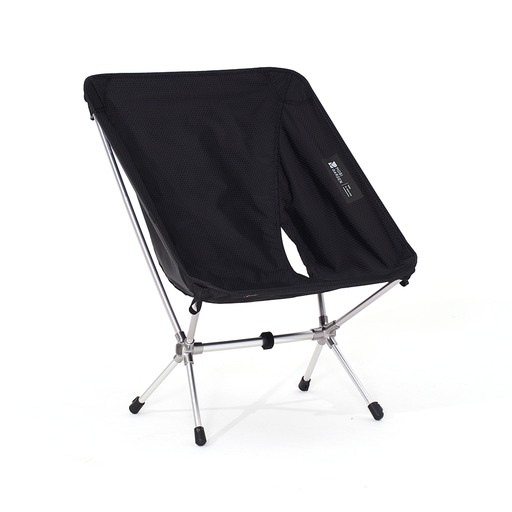
The Perfect Match: Designed for hikers, anglers, or festival-goers where every gram counts. This camping chair slips into a backpack and is easily forgotten.
It shatters the "false portability" pitfall. At just 765 grams and with folded dimensions of 36 x 11 cm, this is the very definition of a portable chair: an ally, not a burden.
Feather-light weight and record-breaking compactness thanks to its aerospace-grade aluminium alloy frame.
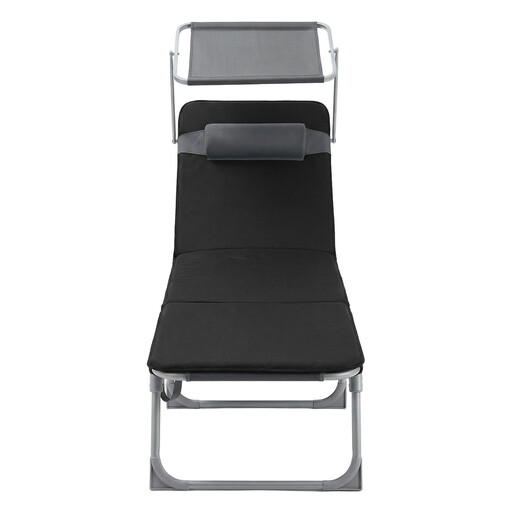
The Perfect Match: For fans of sun-drenched naps or long reading sessions. This lounger, or recliner, is a true invitation to unwind by the pool or in the garden.
It sidesteps the "short-lived comfort" trap. Its adjustable backrest, cushion, and removable headrest allow you to find the ideal position for perfect support, long after the first few minutes.
Customised comfort and clever sun protection with its integrated sunshade—an essential feature for reading without glare.
Discover our complete selection of chairs that meet our quality criteria and current safety standards.
Longevity depends almost exclusively on materials and maintenance. An aluminium chair with a Textilene seat, if stored or protected during winter, can easily last 5 to 10 years or more. A low-end, untreated steel model can show signs of rust in less than a year.
Maintenance is simple but essential. For aluminium or resin frames and Textilene fabrics, regular cleaning with soapy water and a soft sponge is sufficient. Rinse well and let it dry. For Oxford-type fabrics, dry brushing to remove dust and spot cleaning with a damp cloth are recommended. Avoid harsh detergents and abrasive sponges. Ideally, store your chairs away from frost and moisture in the winter to maximise their lifespan.
Generally, yes. Modern camping chairs are designed with stable frames and non-slip feet. However, they are optimised for light weight. On a balcony highly exposed to wind, a heavier and lower garden chair, like a resin armchair, will offer much better stability and won't risk flying away at the first gust of wind. Always ensure the ground is flat and stable.