
Livraison le jour même ou le lendemain

Qualité garantie

Débloquez vos offres de bienvenue: Livraison GRATUITE | Jusqu'à -80 % | 30 jours d'essai gratuits à JoyPlus
Téléchargez l'application
Choosing a new outdoor backpack can quickly feel overwhelming. Faced with a multitude of models, technical terms, and marketing promises, it's easy to get lost. As the Head of Product Recommendations at Joybuy, my mission is to guide you, decode the essential criteria for your specific needs, and help you avoid a purchase you might regret.
Before we dive into our top picks, let's look at the most common pitfalls that can turn what should be a great investment into a real disappointment.
The "Fully Waterproof" Mirage. Many bags are marketed as "waterproof" when they are, in fact, merely "water-repellent." A water-repellent fabric will withstand a light drizzle but will soak through in the first serious downpour. A truly waterproof backpack is identifiable by its sealed seams, specialised zips (e.g., heat-sealed), or, more simply, an included rain cover. This detail makes all the difference in keeping your gear from getting soaked.
Focusing Solely on Volume (in Litres). The "bigger is better" mantra is a classic mistake. A 50-litre bag with a poor-quality suspension system will be a nightmare to carry—far more so than a 40-litre model with an excellent harness. For a trekking backpack, carrying comfort always takes priority over raw volume.
The "Do-It-All" Backpack Myth. A model advertised as perfect for hiking, travel, and carrying a laptop is often a recipe for compromise. A good versatile backpack does exist, but you must be aware of its limitations. A hiking bag will rarely offer the padded protection of a dedicated laptop bag, while an urban bag will sorely lack the durability and comfort of a real camping bag.
To make the right choice, focus on the few technical points that truly make a difference in quality and practicality.
The suspension system is the set of components that distribute the load across your body. It is THE number one criterion for preventing fatigue and back pain. It consists of the following elements:
The volume, expressed in litres, should be suited to your main activity.
Internal organisation is just as crucial. Dedicated compartments, expandable side pockets, compression straps, and external attachment points (for walking poles, a sleeping pad, etc.) are all details that make a world of difference in use.
A bag's durability is directly linked to its fabric. Nylon and polyester are the most common. Look at the denier (D) rating: the higher the number, the thicker and more abrasion-resistant the fabric. A good compromise is usually between 400D and 600D. A lightweight backpack will use thinner but highly technical fabrics, often featuring a tear-resistant grid (the famous ripstop technology).
Here are a few models that tick all the boxes for distinct profiles, based on our criteria for functionality and design.
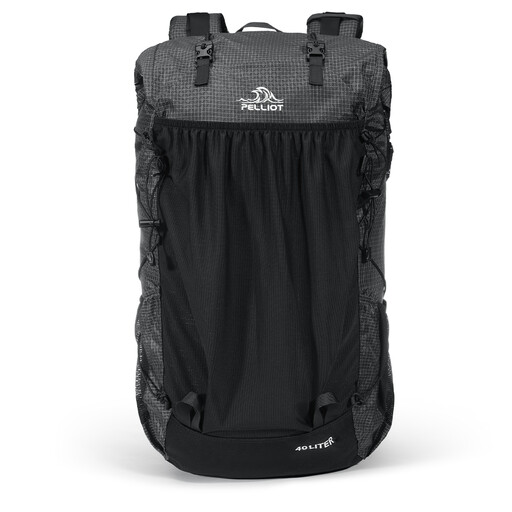
Why we chose it: This bag is built for 2- to 3-day hikes. It focuses heavily on long-distance carrying comfort, a non-negotiable feature for those who love escaping onto the trails for a weekend.
It avoids the trap of prioritising volume over comfort. Its 40L capacity is paired with a highly advanced suspension system (alloy frame, dynamic harness) that ensures optimal load distribution—a feature many larger bags ignore.
Its dynamic harness adapts to your body's movements, reducing fatigue and dramatically increasing comfort over long distances.
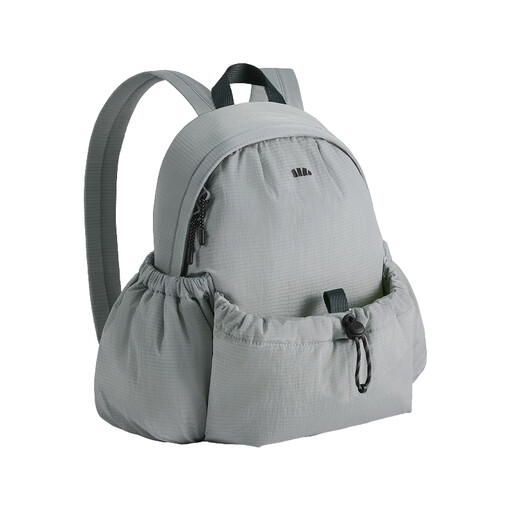
Why we chose it: Perfect for daily life, this lightweight and compact bag offers welcome flexibility. It's ideal for bike commutes, classes, or heading out on the town after a gym session.
It doesn't pretend to be something it's not: this is not a long-distance hiking pack. It excels in its urban niche and avoids the "false versatility" trap. Its expandable function makes it much smarter than a classic backpack for handling daily unpredictability.
Its volume expands from 10L to 13L in a flash. Its high-tenacity nylon fabric is lightweight, durable, and water-repellent.
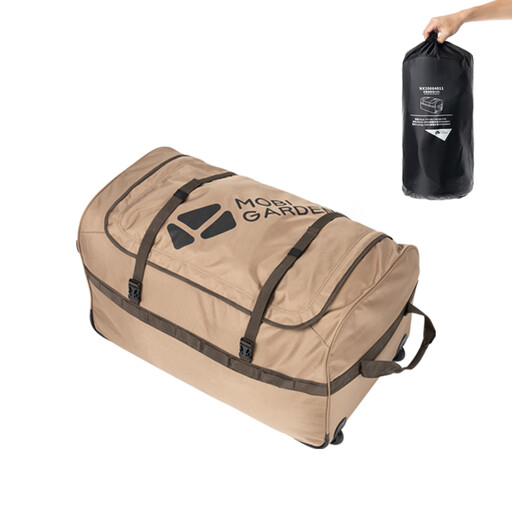
Why we chose it: Essential for family camping, festivals, or any event where you need to transport a ton of gear (tent, chairs, cooler...). This isn't just a backpack; it's a true rolling cargo hauler.
It fully embraces its role as a heavy-duty hauler. By integrating wheels, it bypasses the weight problem without needing a back-panel suspension system that would be ineffective for such a heavy load anyway.
A colossal 110L volume and robust wheels to effortlessly transport all your camping gear from the car to the campsite.
We've put together a curated collection of products that meet our demanding selection criteria and current safety standards.
A water-repellent fabric has been treated to make water bead up and roll off its surface, protecting it from light rain or brief exposure. A waterproof bag, on the other hand, guarantees far superior protection thanks to coated materials (PU, TPU), sealed seams (welded or heat-taped), or a rain cover that blocks all water infiltration, even in a driving rain.
It all depends on the duration and type of your adventures.
Above all, never put it in the washing machine! This would destroy the protective coatings and foam padding. Empty it completely after each outing. Spot-clean stains with a damp cloth and a mild soap (like castile soap). Rinse it well and let it air dry completely, out of direct sunlight. One last tip: clean the zips regularly so that sand or dust don't end up jamming them.