
Livraison le jour même ou le lendemain

Qualité garantie

Débloquez vos offres de bienvenue: Livraison GRATUITE | Jusqu'à -80 % | 30 jours d'essai gratuits à JoyPlus
Téléchargez l'application
Waking up tired or with back pain? It might be a sign that it's time to change your mattress. Choosing the right bed is a crucial decision for your quality of life. But with an overwhelming number of options and confusing marketing claims, it's hard to know where to start.
As the Head of Product Recommendations at Joybuy, my mission is to provide you with clear, objective insights. This guide is designed to help you choose the ideal 140x200 orthopaedic mattress by demystifying the technical specifications that guarantee optimal support and quality sleep.
Before you start comparing models, let's review a few essential criteria. They will help you define which mattress will truly meet your needs.
A mattress's firmness is usually indicated by a rating. An H3 firm mattress is recommended for people weighing between 80 and 100 kg, as it offers robust support without being excessively hard.
However, firmness alone isn't enough. A 7-zone mattress is designed to adapt differently to each part of your body. The head, shoulders, back, pelvis, and legs receive tailored support, adapted to their weight and shape. This ergonomic design helps maintain perfect spinal alignment—a crucial feature for anyone looking for an effective mattress for back pain.
While memory foam has long dominated the market, new-generation spring mattresses offer significant advantages. Pocket springs, for example, react individually to pressure. This ensures excellent motion isolation (so you won't feel your partner's movements) and far superior ventilation.
A breathable mattress is a real game-changer. Good air circulation through the mattress helps regulate temperature and wick away body moisture during the night. The result: a healthier, more comfortable sleep environment, especially during the summer months.
Gone are the days when getting a mattress delivered was a logistical nightmare. The bed-in-a-box concept has revolutionised the industry. Compressed, rolled, and packed in a compact box, the mattress is easy to transport, even up narrow stairs or in small lifts. Once unpacked, it returns to its original shape and size in just a few hours, ready to use.
Here are a few options that stand out for their technical features and their focus on comfort and support.
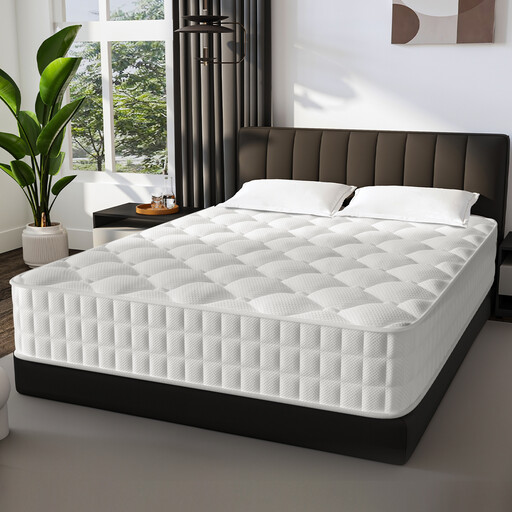
Why it stands out
This model checks all the boxes for effective orthopaedic support. Its structure combines spring technology with a 7-zone design, aiming to contour to the body's natural curves and distribute pressure evenly. Its H3 firmness makes it suitable for a wide range of adults.
Key features
Who is it for? This mattress is an excellent option for couples or single sleepers looking for firm support and an ergonomic design in the standard 140x200 cm size.
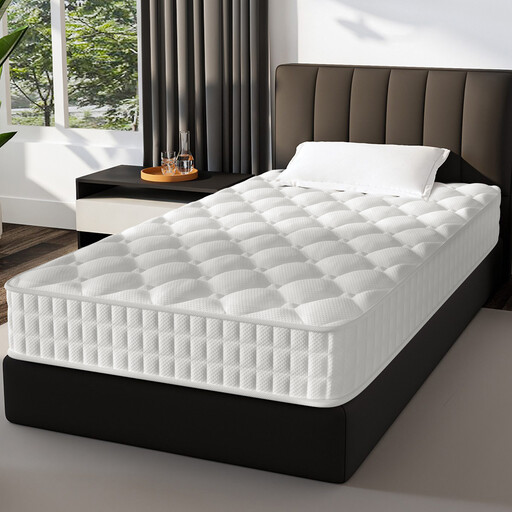
Why it stands out
This 90x200 mattress features the same excellent characteristics as its larger counterpart, but in a single-person format. It offers the same orthopaedic support benefits, making it a smart choice for a child's or teen's room, or for an adult who sleeps alone.
Key features
Who is it for? Single sleepers, growing teenagers, or anyone needing a single mattress that provides quality orthopaedic support.

Why it stands out
Please note, this product is not an orthopaedic mattress for daily use. It is a temporary sleeping solution that shines with its practicality. Made from Tritech material, it is designed to maintain its firmness and minimise air loss overnight. Its built-in, battery-operated pump makes it especially useful.
Key features
Who is it for? Those who occasionally have guests, need a guest bed that is easy to set up and store, or for uses like luxury camping.
For very occasional guest use or for the smallest spaces (like a student studio), a folding mattress is a relevant alternative. These solutions are easy to store and offer a simple, quick-to-deploy sleeping surface.
To explore these models, a tri-fold mattress can be an interesting solution. Discover our range to find the one that's right for you.
It is generally recommended to replace your mattress every 8 to 10 years. This lifespan can vary depending on the quality of the materials, the sleepers' weight, and how it's maintained. A high-quality mattress will retain its supportive properties for longer.
This is a common misconception. A mattress that is too firm can create uncomfortable pressure points on the hips and shoulders. Conversely, a mattress that is too soft doesn't provide enough support for the spine. The ideal is to find the right balance: a mattress that offers firm support but with a soft enough top layer to contour to the body's curves, which is precisely what zoned mattresses provide.
There are several tell-tale signs: a visible sag in the middle (the infamous "hammock effect"), waking up with aches or pains, or simply sleeping better in another bed (at a hotel, a friend's house, etc.) are all clues that it's time for a replacement.