Anyone looking for organic decaf
You want to see both organic and decaffeinated claims on the specific product you’re buying, rather than on two different products in the same range.


To choose organic decaf coffee for the morning, check that both the ‘decaffeinated’ wording and the EU organic logo appear on the same product, then pick a format that suits your equipment. Organic coffee isn’t necessarily decaffeinated: the stated process, intensity and preparation method are separate things to consider.
You want to see both organic and decaffeinated claims on the specific product you’re buying, rather than on two different products in the same range.
You prefer ground coffee and are looking for a product suited to your brewing method, with the decaffeination process clearly stated if that matters to you.
You’re considering capsules or instant coffee for the morning, while checking that they’re compatible with your machine and that the product carries both organic and decaffeinated claims.
Start by checking that both claims appear on the same product. Then narrow down the formats to suit your equipment, before looking at the process and flavour information that matter to you.
| Criteria | What to check | Who it matters to |
|---|---|---|
| Organic and decaffeinated on the same product | Look for the ‘decaffeinated’ wording and the EU organic logo on the specific product. According to the European Commission, the logo is reserved for certified organic products. | I want a coffee that genuinely meets both criteria, without relying on the range name alone; around 36% of consumers would make this double-check their top priority. |
| Decaffeination process | Look for a clear statement such as ‘water-decaffeinated’ or ‘solvent-free’; the organic logo doesn’t tell you which process was used. | If the way the coffee was decaffeinated guides my choice, I prefer to see it stated on the product itself. This would be a priority for around 29% of consumers. |
| Format and compatibility | Check which brewing method is intended for ground coffee, or which machine system the capsules are designed for. | My morning break needs to suit the coffee maker I use or the time I want to spend making coffee; around 21% of consumers would put format ahead of the other criteria. |
| Flavour and pack size | Compare the stated intensity and pack size, but don’t assume intensity guarantees a particular flavour. | I want to choose an intensity that appeals to me and a quantity that suits how I drink coffee; this would be the top criterion for around 14% of consumers. |
A brand may sell an organic product and a decaffeinated product separately. NESCAFÉ, for example, lists Spécial Filtre BIO and Spécial Filtre Décaféiné as two separate products.
Check both claims on the product page or packaging of the item you’re considering.
Carrefour’s product page for ORIGEENS SOFIA capsules states that they’re compatible with Nespresso; this doesn’t mean they work with other systems.
Check your machine’s exact system before choosing these capsules.
‘Organic’, ‘water-decaffeinated’, ‘solvent-free’ and a stated intensity each tell you something different about the coffee. None of these terms alone covers every factor in your choice.
First check that the product is both organic and decaffeinated, then make sure the format suits your brewing method. After that, look at the process and intensity.
One ground coffee product carries both organic and decaffeinated claims, and is intended for filter brewing.
DÉCA AQUA BIO is organic decaffeinated ground coffee, described as suitable for a percolator, stovetop coffee maker or filter brewing.
The SOFIA product combines organic decaffeinated coffee with capsules for a compatible machine.
Two separate instant coffee products let you compare decaffeinated coffee with organic coffee.
The product featured here is organic coffee beans, worth considering if whole beans are one of your criteria.
These products are decaffeinated drinks for the morning, including latte sticks. If organic certification is essential to you, check the logo on each product before choosing.
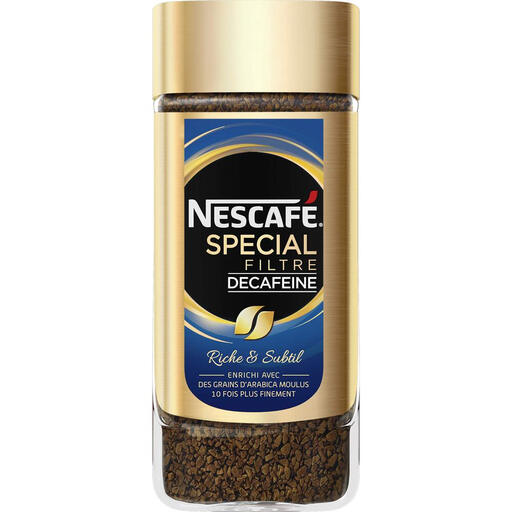 Image unavailable
For a morning break with decaffeinated coffee, check that its brewing method fits your routine.
100 g pack. If you’re also looking for organic coffee, check that this specific product carries the organic logo.
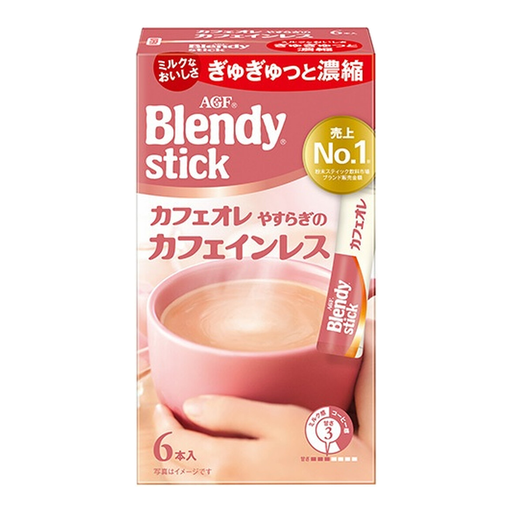 Image unavailable
These sticks may suit you if you’re looking for a decaffeinated milky coffee to make in the morning, rather than a black coffee.
Box of 6 sticks. Check the ingredients list to make sure it suits your needs, and look for the organic logo if that matters to you.
Look for the EU organic logo on the product. The European Commission states that it’s reserved for certified products and must appear alongside the code of the control body and an indication of where the agricultural raw materials come from.
No. Check separately for the ‘decaffeinated’ claim on the organic product you choose. The NESCAFÉ Spécial Filtre BIO and Spécial Filtre Décaféiné products featured by the brand are two separate products.
Choose according to the process you want to see clearly stated on your coffee; the organic label alone doesn’t tell you how it was decaffeinated. Also check the format and brewing method before comparing products.
Seal the pack carefully and follow the storage instructions for the product you’ve bought. For its organic decaffeinated ground coffee, Auchan recommends storing it in a cool, dry place and keeping it in an airtight container after opening.