
Livraison le jour même ou le lendemain

Qualité garantie

Débloquez vos offres de bienvenue: Livraison GRATUITE | Jusqu'à -80 % | 30 jours d'essai gratuits à JoyPlus
Téléchargez l'application
Buying organic, wellness and hygiene products online makes it easy to compare organic foods, skincare, more environmentally friendly items and everyday essentials. But a well-presented product page isn’t always enough to tell you whether the item really meets your needs.
Three common pitfalls keep cropping up:
For families, the smart approach is to check the ingredients, the size, the labels and the usage guidelines before comparing prices.
For organic food, check the proportion of ingredients from organic farming, the presence of allergens and the nutritional values. A product can be vegan or lactose-free without being certified organic.
Coconut milk and coconut cream are a good example of this difference. Kara Organic Coconut Milk UHT 17% Fat 200 ml contains organic desiccated coconut and water, with no added stabilisers or preservatives according to the product information. Kara Organic Coconut Cream UHT 24% Fat 200 ml is richer, with 90% organic coconut extract and water. Both 200 ml cartons are ideal for small recipes, but the cream will give a thicker texture and a more indulgent result.
For natural cosmetics, take the time to read the INCI list too. The presence of sweet almond oil doesn’t guarantee the formula will suit all sensitive skin types. The fragrance, perfume allergens and other ingredients also need to be taken into account.
The price you see doesn’t always tell you much about the real cost of using the product. Compare in particular:
An organic chocolate spread in a 200 g jar can be a sensible choice for a household that wants to avoid waste. FUNKIE Organic Hazelnut Cocoa Smooth Spread contains 18% organic roasted hazelnuts and 4.5% organic cocoa, among other ingredients. It also contains nuts – something you must check before ordering.
For hygiene products, safety should come before any eco-friendly claims. Eco-friendly sanitary towels should be chosen according to your flow, the shape and the comfort you’re after. The LOVE & GREEN Normal pack contains 14 towels designed for light to moderate flow. The product information notes that they are free from added colourants, perfume and lotion, and mentions several labels plus plant-based or recycled materials.
For babies, organic cotton pads need to be clean, sturdy enough and suitable for external use. The BIOLANE pack contains 150 pads made from organic cotton, certified GOTS according to the product information. They can be used dry or dampened with cleansing water or saline solution. In any case, used cotton pads should never be flushed down the toilet.
Saline solution in single-dose units also requires some care. The MERCUROCHROME format contains 30 single-dose units of 5 ml, stated to be sterile and preservative-free. Each dose is for single use only: discard it after opening and make sure the tip doesn’t touch any surface.
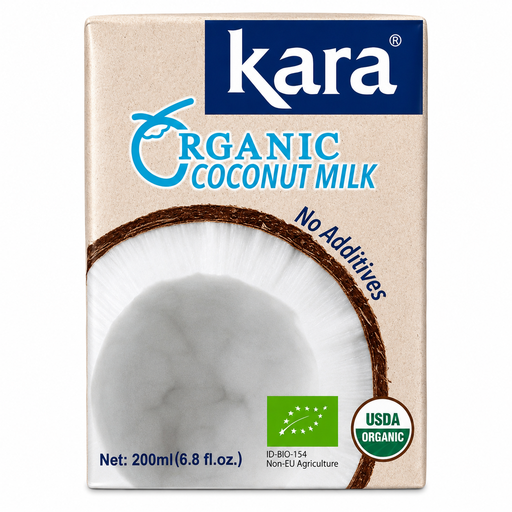
Why this choice suits this profile: Its small size is ideal for a one-off recipe or for trying lactose-free products for the first time.
The stated ingredients are simply organic coconut and water, with no added stabilisers or preservatives.
UHT format of 200 ml, 17% fat content and keeps in the fridge for three to four days after opening.
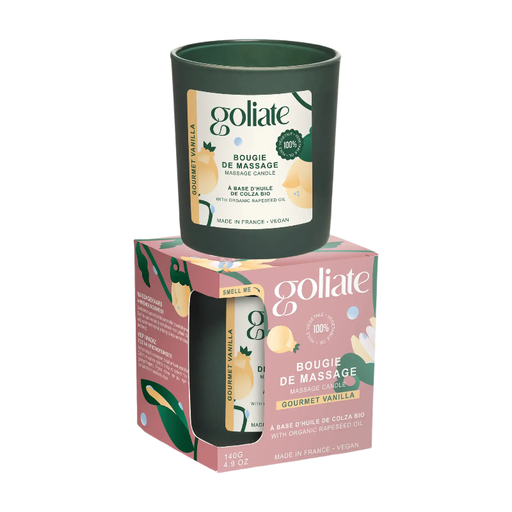
Why this choice suits this profile: This massage candle focuses on elegant presentation and a home wellness experience, with a formula stated to be vegan.
The product information states the weight, usage instructions, the organic rapeseed oil-based formula and the precautions to take around the flame.
140 g format, enough for around five massages according to the product information, and made in Provence.
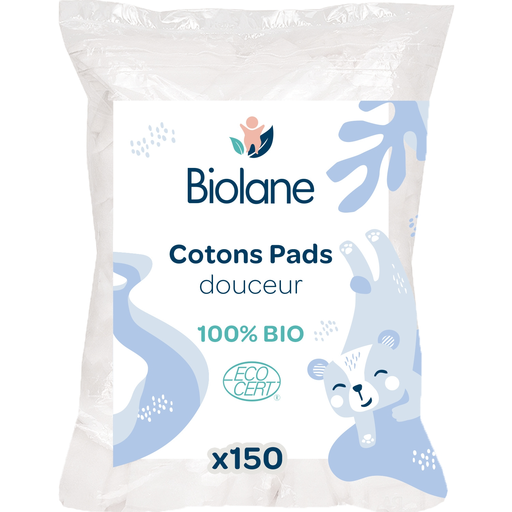
Why this choice suits this profile: The pack of 150 pads is ideal for nappy changes and daily care for a family.
The material, number of units, external use and disposal instructions are all clearly stated.
Organic cotton stated to be GOTS certified, made in France and packaging containing at least 50% recycled materials.
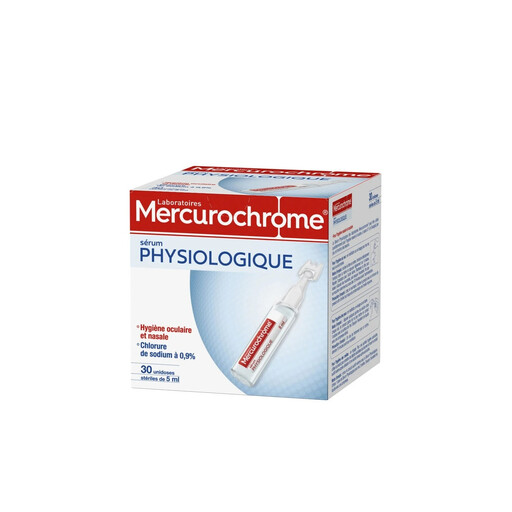
Why this choice suits this profile: The single-dose units are easy to store and avoid having to keep an opened bottle.
The single-use format clearly reminds you that an opened dose should not be reused.
30 single-dose units of 5 ml, a solution stated to be sterile and preservative-free, for nose and eye hygiene according to the product information.
We’ve put together a full, real-time updated selection of products that meet these demanding criteria and European safety regulations.
Check the ingredients list, the net weight, the country of origin, the allergens and the label shown. For certified products, look for the name of the certification body rather than relying solely on the word “natural”. When you receive the item, the information printed on the packaging is the definitive reference.
Not always. The price depends on the size, the number of uses, the concentration and the storage requirements. To compare effectively, work out the cost per gram, per millilitre or per unit. A small pack can help reduce waste, while a family-size or multi-pack will often work out better for regular use.
Go for formulas where the ingredients and usage instructions are clearly detailed. A gentle soap with sweet almond oil, organic baby cotton pads or certain products designed for sensitive skin can suit specific needs, but tolerance varies from person to person. Where the product information recommends it, test on a small area and stop using it immediately if irritation occurs.