To choose an organic wellbeing herbal tea for your weekly shop, first check the certification and ingredients, then pick a blend that suits when you plan to drink it. Compare the number of tea bags and the net weight to find a format that fits your routine. If the blend contains liquorice or a source of caffeine, take any relevant precautions into account.
Who is this guide for?
Shoppers who look for organic certification
You’re adding herbal tea to your weekly shop and want to know how organic certification differs from a general term such as “natural”. Agence Bio explains what the EU organic logo means; it’s also worth checking the ingredients on the packaging.
Those who enjoy a herbal tea after a meal
You’re choosing a blend for a particular time of day, rather than relying on a claim on the box. Some herbal teas marketed for digestion contain liquorice. Anses warns against excessive consumption, particularly because of its link with high blood pressure.
Shoppers keeping an eye on caffeine
You’re looking for a hot drink for the end of the day, or an occasional alternative to tea and coffee. Check the list of plants for ingredients such as tea, mate or guarana. Anses notes that caffeine can disrupt sleep.
What should you look for?
Start with the label, then see whether the blend suits when you plan to drink it. Finally, choose a pack size that works with your habits during the week.
| What to consider |
What to check |
Who is it for? |
| Certification and ingredients |
Look for the EU organic leaf logo, certification details and the full ingredients list. According to Agence Bio, the EU logo confirms that EU organic farming rules have been followed. |
I want to check that the herbal tea I regularly add to my shopping is organic, rather than relying on the word “natural” alone. Around 40% of consumers would put this first. |
| Blend and drinking occasion |
Check which plants are listed, particularly liquorice, as well as any sources of caffeine such as tea, mate or guarana. |
For a cup after a meal or in the evening, I’m looking for ingredients that suit the occasion and any personal precautions I need to take. This would be the main priority for around 30% of consumers. |
| Pack size for the week |
Compare the number of tea bags, net weight and preparation method, where these details are provided on the boxes. |
If I make herbal tea several times a week, I need a pack size that suits my routine. Around 30% of consumers would put pack size first. |
Common pitfalls to avoid
-
Taking “wellbeing” or “natural” to mean organically certified
These words are no substitute for certification. Agence Bio explains that the EU organic logo confirms that European organic farming rules have been followed.
If organic certification is a priority for you, check the logos and certification details on the packaging before choosing a blend.
-
Choosing a “digestion” blend without checking the ingredients
Some blends of this kind contain liquorice. Anses notes that excessive liquorice consumption can be associated with high blood pressure.
Check the ingredients and any product warnings. If you have high blood pressure or are unsure about drinking it regularly, ask a health professional for advice.
-
Assuming every herbal tea is suitable for the evening
A blend containing tea, mate or another source of caffeine may not be right for this occasion. Anses notes that caffeine can delay falling asleep and reduce the length and quality of your sleep.
If you’re having a drink late in the day, check the ingredients rather than relying on the range name.
-
Comparing boxes by appearance alone
Two similar-looking packs may contain different numbers of tea bags or have different net weights. For example, Auchan and E.Leclerc product listings describe boxes of 20 tea bags weighing 30 g and 32 g respectively.
Check both details, as well as the preparation method, to choose a pack size that fits your week.
Brands to know
These examples showcase different organic herbal tea blends and formats. Check each product’s label rather than assuming the same features apply to an entire brand.
AUCHAN BIO
Auchan’s range includes an organic relaxation herbal tea in tea bags.
- The product listing gives the pack size as 20 tea bags weighing 30 g, and shows the EU organic leaf and AB logos, ingredients and brewing instructions.
- Check that the ingredients in this blend suit your preferences and when you plan to drink it.
Carrefour Bio
Carrefour stocks several organic herbal teas with different blends, including ginger, lemongrass and lemon, relaxation, and sleep blends.
- Several products come in boxes of 20 tea bags, making it easier to compare the number of servings.
- The blend name alone doesn’t tell you what’s in it or whether it’s suitable for the evening. Check the label on the product you choose.
Jardin Bio Étic
Carrefour’s range includes an organic herbal tea called “liver wellbeing”.
- The product listing states that the pack contains 20 tea bags and describes a blend of plants with no added flavourings.
- This blend contains liquorice. Its name doesn’t prove that it has an effect on the liver, so be sure to check the ingredients.
Nutrisanté
E.Leclerc lists an organic herbal tea marketed for digestion among its products.
- The product listing gives the pack size as 20 tea bags with a net weight of 32 g, and includes a detailed ingredients list and brewing instructions.
- It contains liquorice and carries a warning about excessive consumption for people with high blood pressure.
Herbal teas available on Joybuy
These Pukka and ELEPHANT herbal teas offer a range of blends and pack sizes to consider for your weekly shop. The word “organic” in their product names doesn’t replace checking the certification and ingredients on the packaging.
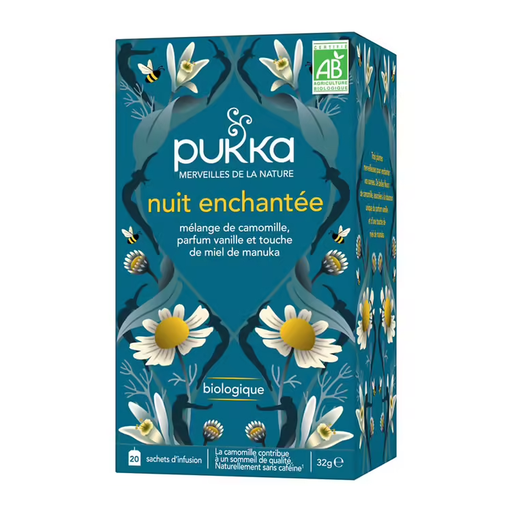 Image unavailable
Pukka Enchanted Night Organic Herbal Tea, 32 g
Worth considering if you’re looking for a herbal tea for the end of the day. Check the ingredients and any precautions relating to liquorice before making it part of your regular routine.
View on Joybuy
 Image unavailable
Pukka Organic Digestion Herbal Tea, 40 g
One to consider for a cup after a meal, without assuming that the name promises a medical effect. The Joybuy listing mentions aniseed, fennel and liquorice among its ingredients, so bear the precautions relating to liquorice in mind.
View on Joybuy
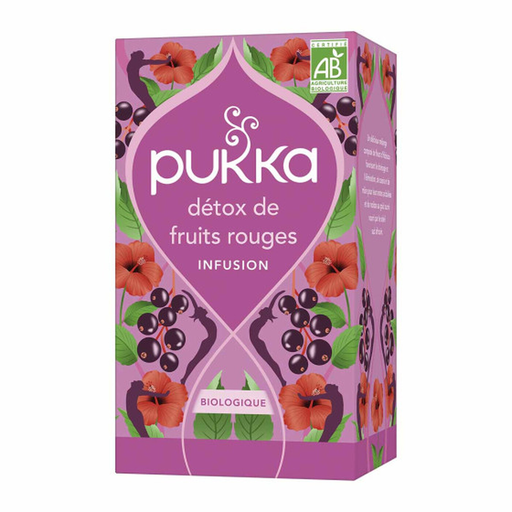 Image unavailable
Pukka Organic Red Fruits Detox Herbal Tea, 34 g
A blend to consider if you’d like to try something different. Choose it based on its ingredients and your taste: the word “Detox” in its name doesn’t demonstrate any health benefit.
View on Joybuy
 Image unavailable
Pukka Organic Gingers Herbal Tea, 36 g
Worth considering if you’re after a spicy blend. Before drinking it regularly, check the ingredients and any precautions relating to liquorice.
View on Joybuy
 Image unavailable
ELEPHANT Organic Verbena Mint Tea, 20 sachets
Worth considering if you’re after a verbena and mint herbal tea in tea bags. The box contains 20 tea bags; check the organic labelling and ingredients before adding it to your shop.
View on Joybuy
Frequently asked questions
How can I tell if a herbal tea is certified organic?
Look for the EU organic leaf logo and certification details on the packaging. According to Agence Bio, the EU logo confirms that EU organic farming rules have been followed. Check the ingredients too, so you can choose a blend that suits you.
Can a “detox” or “wellbeing” herbal tea replace medical treatment?
No. A marketing claim doesn’t make a herbal tea a medical treatment. Choose one based on its ingredients and intended use. If you have symptoms or are taking medication, ask a health professional for advice.
What should I do if a blend contains liquorice?
Consider how often you drink it and check any warnings on the product. Anses notes that excessive liquorice consumption can cause high blood pressure, among other effects. If you have high blood pressure or are unsure, ask a health professional for advice.
Is herbal tea containing tea or mate suitable for the evening?
If you’re looking to avoid caffeine in the evening, check the ingredients before choosing a blend containing tea or mate. Anses notes that caffeine can delay falling asleep and reduce the length and quality of your sleep.


