For a lunch break at university, choose herbal tea bags whose organic certification you can check and whose blend suits you, rather than relying on the blend’s name alone. If your break is short, consider whether you can access hot water and how long the tea needs to brew. Blends containing liquorice need particular attention if you drink them repeatedly.
Who is this guide for?
Students who want to check the organic credentials
If organic certification matters more to you than the look of the box, look for a certification mark on the specific product. The European Commission explains that the EU organic logo can only be used on products certified by an approved control body.
Students with a short break
Tea bags are easy to carry, with no need to measure loose herbs, as long as you can get hot water on campus. Products listed by Carrefour France and Clipper include boxes of 20 or 25 tea bags. Also check how long your chosen blend needs to brew.
Consumers who pay close attention to ingredients
If you drink herbal tea regularly or need to take personal precautions into account, read the full list of herbs on the box. Some blends contain liquorice; France’s food safety agency, Anses, warns of the risks of excessive and repeated consumption.
What should you look for?
For a lunch break at university, start with the certification and the blend, then check whether the preparation method and box size suit your habits.
| Criteria |
What to check |
Who it matters to |
| Organic certification |
Look for the EU organic logo and check the labelling on the specific product. |
I want to be able to identify certified herbal tea rather than rely on plant-themed packaging; around 33% of consumers would put this proof first. |
| Preparing it on campus |
Check that it comes in tea bags, how long it needs to brew and whether hot water is available. |
Between lectures, I’d rather have an easy-to-carry portion that I have time to prepare; this convenience would be the top priority for around 27% of consumers. |
| Herbs and precautions |
Read the full ingredients list, especially if you want to avoid liquorice. |
If I drink this blend often, I want to know which herbs it contains before making it a regular choice; around 20% of consumers would prioritise checking this first. |
| Box contents |
Compare the number of tea bags and the net weight of the options you’re considering. |
I’m planning several breaks at university and want to know how many tea bags are in the box; around 20% of consumers would put this ahead of the other criteria. |
Mistakes to avoid
-
Confusing plant-themed packaging with organic certification
An illustration of plants doesn’t prove that a herbal tea is certified organic. The European Commission reserves the use of the EU organic logo for products certified by an approved control body.
If organic certification is guiding your choice, check for the certification mark on the box of the specific product.
-
Choosing a liquorice blend without checking the ingredients
Liquorice is included in some herbal blends. According to Anses, excessive and repeated consumption can lead to low blood potassium and high blood pressure.
Check for this ingredient before you buy. If you’re thinking of drinking it regularly, or have concerns related to your circumstances or medication, ask a healthcare professional for advice.
-
Taking “digestion” or “detox” as a guarantee of results
A blend’s name doesn’t prove that it has medical benefits. France’s consumer protection agency, the DGCCRF, reminds consumers that nutrition and health claims on food products are regulated.
Choose based on the ingredients, taste and any personal precautions you need to take. Don’t assume the herbal tea has an effect that its name doesn’t prove.
-
Overlooking the details of a product recall
In November 2024, RappelConso published a recall affecting certain batches of Infusion Verveine Bio Carrefour Bio because pesticide limits had been exceeded. The recall applied to specific batches, not all organic herbal teas or the entire brand.
If you have a box that may be affected, check its product code, batch number and best-before date against the recall information before drinking it.
Herbal tea brands to know
Carrefour Bio
A range to consider if you’re looking for organic herbal tea bags from Carrefour France.
- Carrefour France lists its Infusion Digestion Légère Bio in a box of 20 tea bags, with a net weight of 30 g. The blend contains star anise, aniseed, fennel and liquorice.
- The liquorice content is worth bearing in mind if you’re planning to drink it repeatedly.
Clipper
Flavourful tea bags for anyone who wants to compare blends containing several herbs.
- Clipper includes Divine Digestion, available in a box of 25 tea bags.
- Before choosing this blend, read the ingredients rather than assuming it has a particular effect based on its name.
Jardin BiO étic
Organic herbal teas to consider if both the blend and the design of the tea bag matter to you.
- Jardin BiO étic says it has removed staples from its tea and herbal tea bags.
- For a specific product, check the ingredients and the recycling or composting instructions for its packaging.
Pukka
A variety of herbal blends to compare by their ingredients rather than treating the range as uniform.
- Pukka includes blends called Three Mint and Three Ginger, as well as herbal teas containing liquorice.
- Check the ingredients of each blend: you can’t tell whether it contains green tea or liquorice from the brand name alone.
Herbal teas available on Joybuy
These tea bags offer a choice of simple, fruity or spicy blends for a break at university. Before choosing, check the packaging for the product’s organic certification, ingredients and preparation instructions.
 Image unavailable
Pukka Organic Digestion Herbal Tea, 40 g
Worth considering if you’d like a herbal blend after lunch, without assuming the name promises a medical effect. This product is listed as containing liquorice, so check how much it contains if you plan to drink it regularly. Also check the organic certification on the packaging.
View on Joybuy
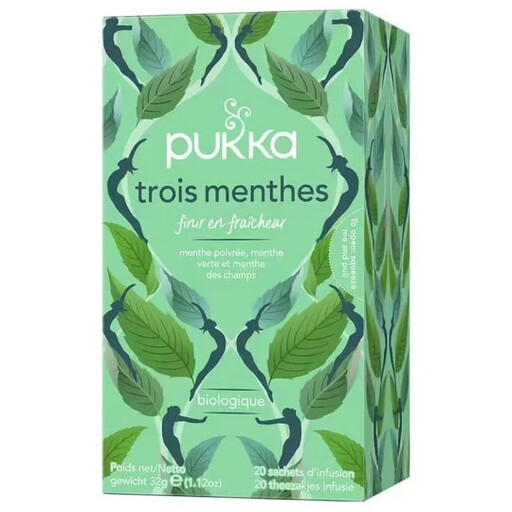 Image unavailable
PUKKA Organic Herbal Tea with 3 Herbs, 36 g
This product may appeal to anyone looking for a mint-based blend for their break. Check the exact ingredients, number of tea bags, brewing time and organic certification shown on the box.
View on Joybuy
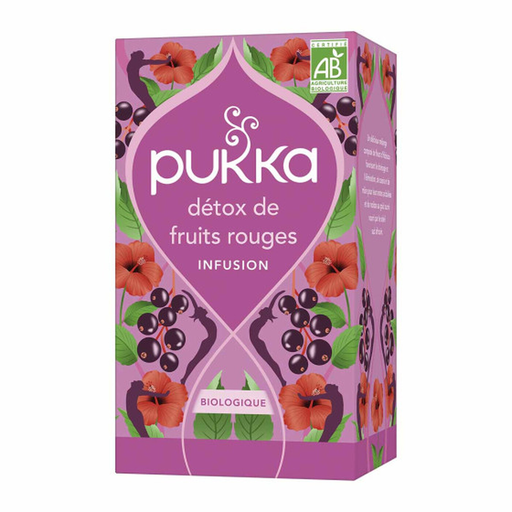 Image unavailable
Pukka Organic Red Fruits Detox Herbal Tea, 34 g
If you’d prefer a fruity blend for your break, compare its ingredients with those of herbal blends. “Detox” is part of the product name and doesn’t prove a medical benefit. Also check the number of tea bags and the organic certification on the packaging.
View on Joybuy
 Image unavailable
Pukka Organic Gingers Herbal Tea, 36 g
Worth considering if you’re after a spicy blend and have enough time to let it brew during your break. This product is listed as containing liquorice, so check the ingredients, brewing instructions and organic certification on the box.
View on Joybuy
 Image unavailable
ELEPHANT Organic Verbena Mint Tea, 20 sachets
The verbena and mint blend and 20 individual tea bags are a good option if you prefer a two-herb blend in handy portions. Follow the preparation instructions on the box to plan your break, and check the organic certification there too.
View on Joybuy
Frequently asked questions
How can you tell if a herbal tea is certified organic?
Check for the EU organic logo on the packaging of the specific product. The European Commission says it can only be used on organic products certified by an approved control body; a plant name or botanical design isn’t enough.
Is a herbal tea called “digestion” suitable for every lunch break?
No: the name doesn’t guarantee a medical effect or mean that the blend is right for you. Read the ingredients, especially if it contains liquorice; Anses warns of risks from excessive and repeated consumption.
How do you prepare a tea bag between lectures?
Take a tea bag and a suitable cup, and make sure you can get hot water. Then follow the instructions for your chosen product. For example, Clipper recommends brewing Divine Digestion for 3 to 5 minutes, after letting the boiled water cool for one minute.
Does the word “detox” prove a health benefit?
No: the word alone doesn’t prove any medical benefit. The DGCCRF reminds consumers that nutrition and health claims are regulated. When choosing a herbal tea, look at its ingredients and any precautions relevant to you.


