What should you check first?
Before taking porridge to university, work out how you’ll prepare and transport it, then check the certification and ingredients of the product you’ve chosen.
| Criteria |
What to check |
Who it’s for |
| Organic certification |
Look for the EU organic logo on the packaging, along with the inspection body code and the associated agricultural origin indication. |
If I choose a product labelled organic, I want to be able to distinguish certified status from wording that simply suggests it. Around 27% of consumers would make this their top priority. |
| Preparation and transport |
Check what liquid and equipment you’ll need, as well as any storage instructions to follow before setting off. |
If I’m eating between lectures without access to a kitchen, I need to be able to prepare my porridge with the facilities available that day. Convenience would be the main consideration for around 33% of consumers. |
| Ingredients and allergens |
Read the cereals and other ingredients listed for the exact product, along with any declared allergens and precautionary ‘may contain’ statements. |
If I need to avoid an ingredient, a recipe containing several cereals or a ‘may contain’ statement could affect my choice. Around 27% of consumers would put whether a product meets their dietary requirements first. |
| Protein per serving |
Check how much protein is in the serving you plan to eat, then look at the recipe’s ingredients. |
If I’m specifically looking for a fortified option for this meal, the amount per serving matters more to me than a figure given only per 100 g. This would be a priority for around 13% of consumers. |
Joybuy products to consider
These options include two ready-made porridges and oat flakes you can prepare to suit your preferences. For lunch at university, compare each recipe with your preparation options and check the information on the packet.
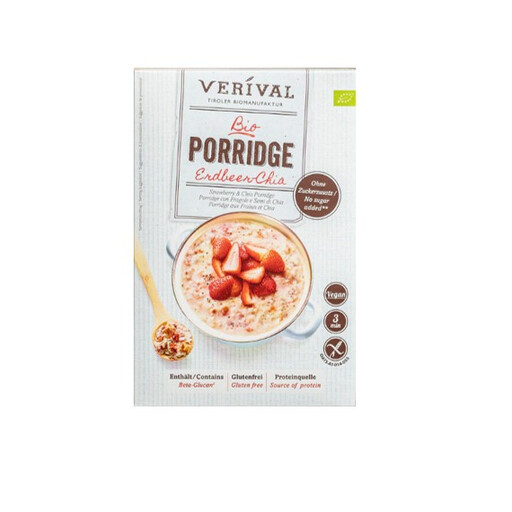 Image unavailable
VERIVAL Organic Chia Fruit Porridge, 350 g
This blend with chia seeds and fruit may suit you if you’d prefer a ready-made recipe to measuring out separate ingredients. Before taking it to university, check the packet for preparation instructions, storage conditions, organic certification and allergen information.
View on Joybuy
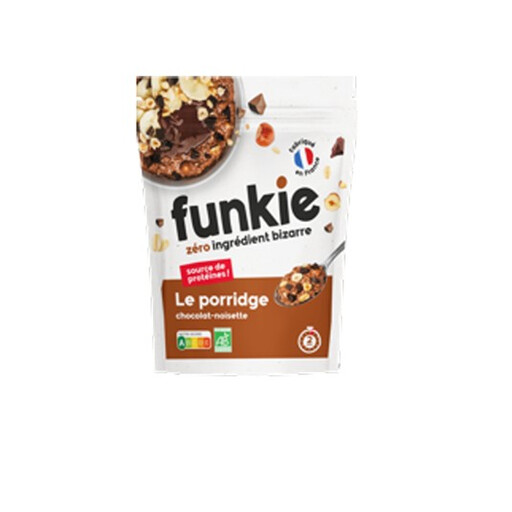 Image unavailable
Funkie Organic Chocolate Peanut Porridge, 280 g
This chocolate and peanut recipe is for anyone who prefers a ready-made blend. If you need to avoid peanuts, check the exact product label. Also look for the organic logo and associated details, and check the preparation instructions before planning to take this porridge to campus.
View on Joybuy
 Image unavailable
BJORG Organic Oat Flakes, 500 g
These oat flakes are a good choice if you’d like to make your own porridge rather than choose a flavoured recipe. Plan how you’ll prepare them at university, and check the packet for instructions, organic certification and information about gluten and other allergens.
View on Joybuy
Frequently asked questions
How can you tell if porridge is certified organic?
Look for the EU organic logo on the packaging, along with the inspection body code and the agricultural origin indication nearby. The European Commission says the logo is reserved for products certified by an approved inspection body. The word ‘natural’ on its own doesn’t offer the same guarantee.
Is organic oat porridge always gluten-free?
No. Organic certification doesn’t guarantee that a product is gluten-free. Bjorg’s three-cereal porridge contains wheat and spelt, while Celnat says some of its oat flake products may contain traces of cereals containing gluten. If you need to avoid gluten, check the label of the exact product you’re buying.
How can you take porridge to university without cooking it there?
Preparing it the night before is one option, as long as you can follow the instructions for keeping it chilled. Nutripure, for example, describes a recipe that’s left to soak overnight. Otherwise, choose a product with instructions that suit the liquid and equipment available where you’ll be eating it.
Should you choose a protein porridge for lunch?
A protein porridge is worth considering if protein is your main priority, but it won’t be the right choice for everyone. Alter Nutrition states that its organic plant-based porridge contains 11.6 g of protein per serving. Compare that serving with the amount you’ll eat, and check the ingredients and allergens too.


