What should you compare?
First, check the pack to confirm that the pasta is organic. The type, shape and cooking time will then help you choose pasta to suit the meals you have planned.
| What to compare |
What to check |
Who it matters to |
| Organic status and ingredients |
Look for the EU organic logo, then read the ingredients list and allergen information on the pack. |
I want to make sure the pasta is organic without assuming it’s also gluten-free. Around 31% of consumers make this their top priority. |
| Pack size and shape for the week |
Compare the net weight and available shapes with the meals you plan to make. |
To stock my cupboard, I mainly need pack sizes and shapes that suit my recipes. This comes first for around 25% of consumers. |
| Wholemeal options |
Look for “wholemeal” or “semi-wholemeal” on the pack and compare the fibre content per 100 g. |
I want to choose pasta based on its fibre content, rather than relying on the word “organic” alone. Around 25% of consumers prioritise this distinction. |
| Cooking time and shape |
Check the cooking time given for the specific product and choose a shape to suit your dish. |
When I need to get a meal on the table quickly, cooking time becomes my top priority. It’s the main factor for around 19% of consumers. |
Brands and ranges to know
These examples can help you identify different types of pasta and details to compare. The features of one product don’t necessarily apply to the whole brand.
Barilla
A 500 g pack of dried organic spaghetti.
- Barilla says its Spaghetti Bio is made in Italy using durum wheat from organic farming.
- This product contains wheat. Check the nutritional information and cooking time on the pack you choose.
Auchan Bio / Cultivons le Bon
Classic and wholemeal organic macaroni options, which vary by product.
- Auchan says its 400 g Bio Cultivons le Bon macaroni is made with organic durum wheat semolina from France and takes 5 minutes to cook al dente.
- Ingredients, origin and fibre content vary between products. Check the allergen information on each pack too.
Bio Village / E.Leclerc
A range of dried organic pasta, including several classic and wholemeal shapes.
- The E.Leclerc catalogue includes Bio Village spaghetti, macaroni and wholemeal pasta shapes.
- To stock your cupboard, check the weight and ingredients of the shapes that genuinely suit your meals.
Carrefour Bio
Carrefour’s catalogue includes organic pasta products, including tagliatelle.
- The range gives you different shapes of organic pasta to compare.
- Check the shape and ingredients on each pack. Being part of an organic range doesn’t tell you the product’s nutritional values.
Panzani
A dried pasta brand with classic, wholemeal and quick-cooking ranges.
- Its catalogue makes it easy to compare shapes and cooking times for weekday meals.
- An organic cooking base from the brand doesn’t mean its pasta is organic. Check the labelling on the product you’re considering.
Lustucru Sélection
A brand to consider if you’re looking for fresh pasta rather than dried pasta to stock your cupboard.
- Lustucru Sélection offers products including 600 g fresh egg tagliatelle.
- This fresh product shouldn’t be mistaken for dried organic pasta. Check the product category and labelling before adding it to your shopping list.
Spaghetti to consider on Joybuy
These two 500 g packs of JARDIN BIO ETIC spaghetti feature different ingredient combinations. To choose between them, consider which one best suits your recipes and check the organic labelling and allergen information on each pack.
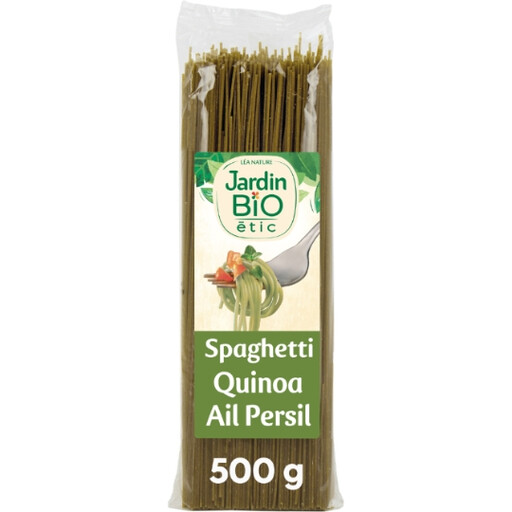 Image unavailable
JARDIN BIO ETIC Spaghetti with quinoa, parsley and garlic, 500 g
Worth considering if the combination of quinoa, parsley and garlic suits the dishes you’re planning for the week.
Check the pack for the organic logo or certification details, as well as allergen information, particularly anything relating to wheat.
View on Joybuy
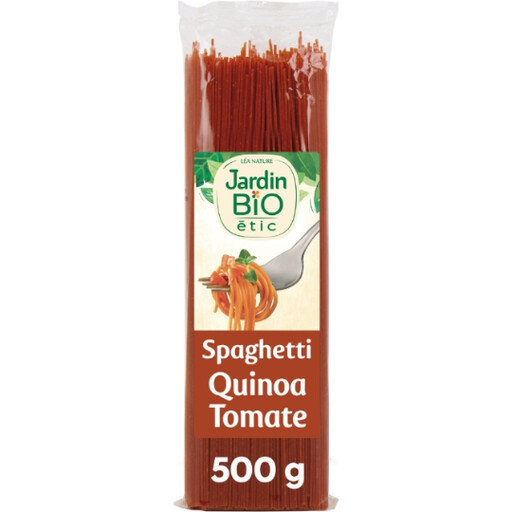 Image unavailable
JARDIN BIO ETIC Spaghetti with quinoa and tomato, 500 g
Worth considering if the combination of quinoa and tomato is a better fit for the recipes you make.
Check the organic certification on the pack and read the allergen information: this product’s details include wheat and egg.
View on Joybuy
Frequently asked questions
How can you tell if pasta is organic from the packaging?
Look for the EU organic logo on the pack. Agence Bio says this logo confirms that the product complies with European organic farming regulations. Also read the product name and ingredients list to find out exactly what you’re buying.
Is organic pasta always gluten-free?
No. Organic pasta can be made from durum wheat, like the Spaghetti Bio from Barilla and the Bio Cultivons le Bon macaroni from Auchan. If you need to avoid an ingredient, check the labels and allergen information on the specific pack rather than relying on its organic certification alone.
When should you choose organic wholemeal or semi-wholemeal pasta?
Choose this type if you want to take fibre content into account when you shop. Manger Bouger recommends choosing wholegrain or semi-wholegrain cereal-based starchy foods. To compare two packs of pasta, read the ingredients and check the fibre content per 100 g.
How should you store dried pasta after opening?
Follow the storage instructions on the pack. For its wholemeal Bio macaroni, Auchan recommends sealing the bag tightly and storing it away from light and moisture. If possible, transfer the pasta to an airtight container.
What should you compare on two packs?
Start by comparing the product name, ingredients, allergens, net weight and nutritional information for each product. The DGCCRF says these are among the key labelling details for prepacked foods. Add the cooking time to your comparison if it affects how you plan weekday meals.


