Households stocking up on organic pasta
You buy several packs of dried pasta and want to know the weight of each one so you can plan how much to store and use.


To stock up on organic pasta, check the organic labelling on each product, then choose dried pasta and enough packs to make up the quantity you need. Wholemeal pasta offers a different recipe option; fresh pasta, which needs to be kept chilled, is not suitable for storing in the cupboard.
You buy several packs of dried pasta and want to know the weight of each one so you can plan how much to store and use.
You want to check the organic claims on the packaging, then read the ingredients and allergen information rather than relying on the product’s appearance alone.
You’re deciding between a classic recipe, wholemeal pasta and fresh pasta, which each have different storage requirements.
When stocking up, start by checking the organic labelling and ingredients, then check the weight of each pack. The pasta shape and storage instructions will help you choose a recipe that suits the meals you have in mind.
| What to consider | What to check | Who it matters to |
|---|---|---|
| Organic certification and ingredients | Look for the EU organic logo or AB mark on the packaging, then read the ingredients and allergen information. | I want to check the certification and know what the pasta contains before buying several packs; around 42% of shoppers make this their top priority. |
| Quantity and pack size | Check the net weight of each pack and how many you need; a 500 g pack is not, by itself, a bulk pack. | If I’m stocking the cupboard for several meals, I need to be able to work out the total quantity and how many packs to store. Around 33% of shoppers put this first. |
| Recipe and storage | Choose a shape and check whether the semolina is wholemeal; distinguish dried pasta from fresh pasta that needs to be kept chilled. | For the meals I have planned, I prioritise the recipe I want while also considering how it needs to be stored; around 25% of shoppers prioritise this choice. |
The dried pasta products mentioned here are available in 500 g packs. So, stocking up may mean buying several packs rather than one large pack.
Check the net weight and count how many packs you need to reach your target quantity.
Organic certification does not replace checking the ingredients. Auchan’s description of its Auchan Bio wholemeal penne rigate lists wheat and warns that the product may contain traces of egg, soya and mustard.
Check the label on the product you buy, especially if you choose a different recipe or pack size.
Carrefour’s listing for Lustucru organic fresh tagliatelle says it must be kept chilled. It therefore has different storage requirements from dried pasta intended for the cupboard.
For cupboard storage, choose dried pasta and check the storage instructions and date on each pack.
These examples show some of the shapes and recipes to compare before buying in quantity. A brand’s inclusion here does not mean that all its products are suitable for stocking up.
Carrefour offers several types of organic dried pasta in 500 g packs, including penne, coquillettes, fusilli, farfalle and semi-wholemeal spaghetti.
E.Leclerc’s organic range includes 500 g packs of spaghetti, coquillettes and penne, as well as wholemeal twists and farfalle.
Auchan offers classic and wholemeal organic pasta in 500 g packs, including wholemeal penne rigate made with organic whole durum wheat semolina.
Barilla’s Spaghetti Bio is a 500 g pack of dried pasta made with organic durum wheat semolina.
Carrefour offers Lustucru organic fresh tagliatelle in a 250 g pack.
This selection includes two spaghetti recipes in 500 g packs and 270 g udon noodles. Udon are different from spaghetti, so bear that in mind when planning your meals. For any product described as organic, check the labelling on the pack before buying several.
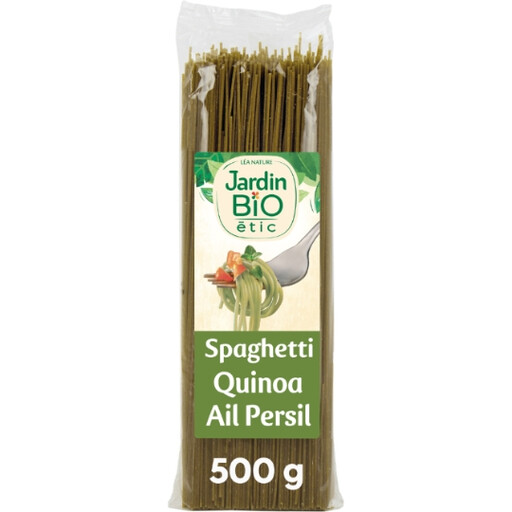 Image unavailable
A spaghetti recipe to consider if you’re planning to buy several packs for a range of meals. Before buying, check the organic labelling, ingredients, allergen information and storage instructions on the packaging.
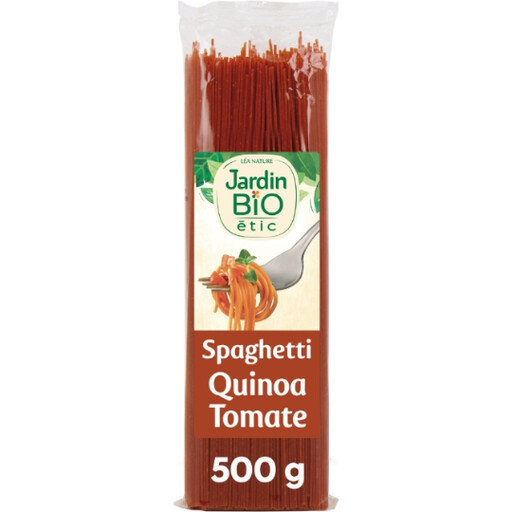 Image unavailable
This 500 g option lets you choose a tomato recipe instead of parsley and garlic. If you’re stocking up, check the organic labelling, allergen information and storage instructions for this particular pack.
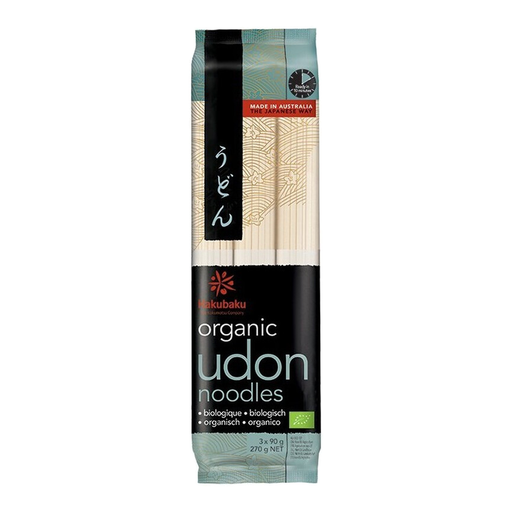 Image unavailable
These udon noodles offer a different recipe option from spaghetti. The pack contains 270 g, so bear this in mind when working out how many you need. Check the organic labelling and allergen information on the packaging.
Check the organic information on the pack, including the EU organic logo and, where applicable, the AB mark, then read the product name and ingredients. The French Ministry of Agriculture explains that organic farming is covered by European regulations; the word “natural” alone is no substitute for these checks.
No. On its own, it does not let you compare the fibre, protein or salt content of two recipes. Check the nutrition information per 100 g and the ingredients list on the packs you’re considering.
Start with the total quantity you want to store, then check the net weight of each pack to work out how many you’ll need. Several dried pasta products from Carrefour, E.Leclerc, Auchan and Barilla come in 500 g packs; that does not mean they are sold together as a single bulk pack.
Yes. Organic status does not remove the need to read the ingredients and any warnings about possible traces for the product you choose. The DGCCRF reminds shoppers that allergenic ingredients must be emphasised on the labels of prepacked foods.
Not if it says it must be kept chilled. This applies to the Lustucru organic fresh tagliatelle featured by Carrefour. For cupboard storage, choose dried pasta and follow the storage instructions on each pack.