People making generous, hearty sauces
Choose your pasta shape to suit the sauce you’re planning: long pasta for a smooth sauce, or short, ridged shapes for a thick sauce or one with chunks.


For an organic pasta dinner, start with the sauce: try spaghetti with a smooth sauce, or penne or twists with a thick or chunky sauce. Then compare cooking times and check the organic label, ingredients and allergens for the product you’ve chosen. “Organic” doesn’t mean “gluten-free”.
Choose your pasta shape to suit the sauce you’re planning: long pasta for a smooth sauce, or short, ridged shapes for a thick sauce or one with chunks.
You’re looking for an identifiable organic product among a range of dried pasta shapes. Check the label on the pack you choose, particularly the ingredients and allergens.
You want to get dinner ready quickly. Compare the stated cooking times and check the storage instructions, which differ for dried and fresh pasta.
First, choose a shape to suit your recipe, then check the organic labelling and allergens. Cooking time and storage instructions can help you decide between products that work for your dish.
| Criterion | What to check | Who it matters to |
|---|---|---|
| Shape and sauce | Decide on your sauce before choosing between spaghetti, penne and twists. Also check the cooking time for the product. | If my sauce has chunks in it, I look for a short pasta shape rather than automatically choosing spaghetti; around 42% of consumers would prioritise a good match between pasta shape and sauce. |
| Organic status and ingredients | Look for the EU organic logo if it appears on the pack, then read the ingredients and allergen information for that specific product. | I want to identify an organic product while also knowing whether its ingredients are suitable for everyone sharing the meal; nearly 33% of consumers would put labelling and ingredients first. |
| Cooking and storage | Compare the stated cooking times and check whether the product should be stored in a cool, dry place or in the fridge. | When I’m making dinner at the last minute, I need to factor in cooking time and storage instructions; around 25% of consumers would put these practical considerations first. |
Organic pasta made with durum wheat semolina contains wheat. Some Carrefour Bio and Auchan Bio pasta listings also mention possible traces of other allergens.
If you have a dietary requirement, check the ingredients, allergens and any precautionary trace warnings on the exact pack. Don’t rely on the organic label alone.
A smooth sauce and a thick, chunky sauce won’t necessarily call for the same pasta shape. A brand’s pairing suggestion is a cooking tip, not the result of a comparative test.
Decide on your recipe first, then compare the available shapes and the cooked texture you’re looking for.
A range may include standard, quick-cook or fresh pasta, but that doesn’t mean every product in it is certified organic.
Check the labelling on the specific product rather than relying on the brand name or where the product appears in a catalogue.
These brands offer different shapes and preparation methods to compare. Their inclusion here doesn’t mean that every product mentioned is organic.
A dried organic spaghetti option to consider for a saucy dinner.
A range of dried organic pasta in several shapes for everyday meals.
Dried organic penne and spaghetti to compare, depending on the shape and cooking time you’re looking for.
An E.Leclerc range where you can compare classic and wholemeal dried organic pasta.
A brand to consider when comparing pasta shapes for different dishes.
Fresh pasta, gnocchi and filled pasta to consider when preparation style matters more than finding dried organic pasta.
This selection is for a dinner made with udon noodles, not a recipe calling for spaghetti or penne. If organic certification is important to you, check the labelling on the specific product.
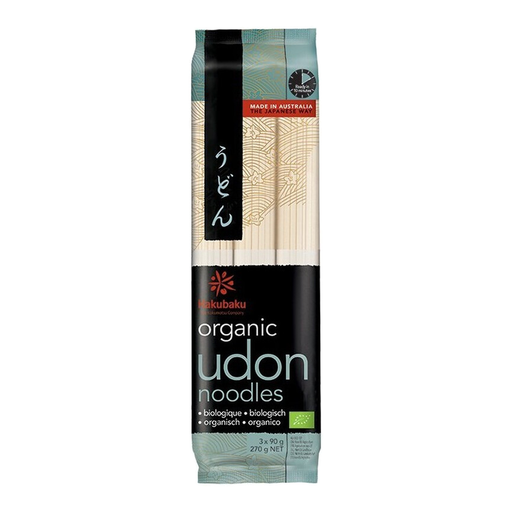 Image unavailable
Worth considering if you’re planning a dinner with udon noodles rather than Italian pasta. The pack contains 270 g. Before buying, check the label for the relevant organic certification, ingredients and allergens.
Check the labelling on the specific product, including the EU organic logo if it appears on the pack. The French Ministry of Agriculture explains that organic farming is covered by European regulations. However, the organic label doesn’t replace the need to read the ingredients and allergen information.
No. Organic pasta made with durum wheat semolina contains wheat. If you need to avoid gluten, check the ingredients and look for a product explicitly labelled “gluten-free” rather than relying on its organic certification.
Read the ingredients list and any precautionary trace warnings on the packaging of the product you’ve chosen. In France, the Directorate-General for Competition Policy, Consumer Affairs and Fraud Control states that allergenic ingredients must be listed and highlighted.
Follow the instructions for the product you’ve chosen, as dried and fresh pasta need to be stored differently. Auchan France recommends resealing the bag of its Penne Bio and, ideally, keeping them in an airtight container away from heat and moisture. For fresh pasta, follow the chilled storage instructions on the packaging.