Parents preparing an organic pasta salad
For a cold meal to take to secondary school, the ingredients, pasta shape and pupil’s tastes all play a part in choosing a recipe.


For a secondary school lunchbox, start by choosing the ingredients to suit the pupil’s needs: organic durum wheat pasta for a classic recipe, organic wholemeal pasta if you’re looking for whole wheat, or a product explicitly labelled organic and gluten-free if gluten needs to be avoided. A short pasta shape can make a salad easier to prepare. Check the pack for allergens, and plan suitable storage for any perishable ingredients you add. Organic wheat pasta still contains gluten.
For a cold meal to take to secondary school, the ingredients, pasta shape and pupil’s tastes all play a part in choosing a recipe.
A wholemeal product may fit the bill, as long as you check that it’s organic too. It’s still made from wheat and contains gluten, so read the allergen and ‘may contain’ information on the pack.
Look for a product explicitly labelled both organic and gluten-free, then check for other allergens. If a pupil has a medically prescribed diet, their Individual Healthcare Plan can set out any arrangements needed at school, as explained by the French Ministry of National Education.
Start with the ingredients and allergens: a lunchbox-friendly shape won’t make up for pasta that’s unsuitable for the pupil’s diet. Then choose the shape and recipe to suit the planned cold meal.
| Criterion | What to check | Who is it for? |
|---|---|---|
| Organic certification and ingredients | Check the organic details on the pack and the ingredients list for the product you’ve chosen: durum wheat, pulses or another base ingredient. | If I’m mainly looking for organic pasta, I want to know what it’s made from rather than relying on the brand name. Around 33% of shoppers in this group would make this their top priority. |
| Gluten and other allergens | Read the ingredients and ‘may contain’ information. If a medically prescribed diet applies, also check the arrangements agreed with the school. | If the pupil needs to avoid gluten or another allergen, I need to be able to choose a product that meets their requirements. Around 27% of shoppers would make this their priority. |
| Cold food to take away | Choose a shape that suits the recipe, and plan to keep it chilled if you’re adding perishable ingredients. | For a salad made in advance, I’m looking for pasta that’s easy to eat from a lunchbox and a meal that can be stored as needed. Around 20% of shoppers would make this their main criterion. |
| Organic wholemeal pasta | Check that the product is both wholemeal and organic, then check its gluten and ‘may contain’ information. | If I want to use whole wheat in a lunchbox, I want to make sure the organic product I buy is wholemeal. Around 20% of shoppers would make this their priority. |
Barilla France describes its Bio spaghetti as being made from organic durum wheat: being organic doesn’t remove the gluten from wheat.
Check the organic details, ingredients list and, if needed, the gluten-free label on the product you’re buying separately.
Long pasta and penne aren’t equally easy to eat from a lunchbox. Lustucru describes its Penne Bio Complètes as suitable for a salad, but that doesn’t guarantee every recipe will hold its texture once chilled.
For a lunchbox salad, consider a short pasta shape and try it with the sauce you plan to use.
Lustucru’s Penne Bio Complètes product information mentions a facility that handles eggs and possible traces of celery. According to the French Ministry of National Education, an Individual Healthcare Plan can set out the dietary arrangements a pupil needs.
Read the information on the pack and, if the pupil follows a medically prescribed diet, check the arrangements agreed with the school.
A pasta salad may contain perishable ingredients that need to be kept in mind during transport and until lunchtime. The French Ministry of Agriculture reminds consumers that they also have a part to play in maintaining the cold chain.
Follow the storage instructions for the ingredients you use, and plan transport that’s suitable for the finished recipe.
The Bio Spaghetti featured by Barilla France combines organic durum wheat semolina and water, making it one option for an organic wheat pasta recipe.
Lustucru’s Penne Bio Complètes suit shoppers looking for organic wholemeal pasta in a shape the manufacturer describes as suitable for salads.
The Carrefour Bio pasta product described by Carrefour France is made with organic durum wheat semolina.
The chickpea twists featured by Auchan France are described as organic and gluten-free, making them an option for a different need from wheat pasta.
These products include flavoured spaghetti and udon noodles for making a pasta-based meal. Before choosing them for an organic school lunchbox, check the organic information on the packaging, the allergens and whether they’re suitable for the recipe when served cold.
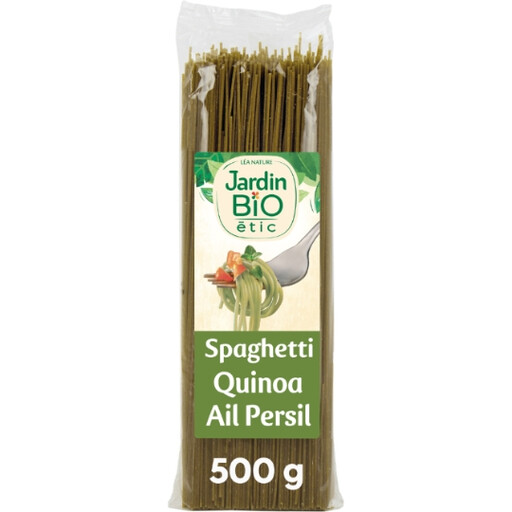 Image unavailable
A flavoured spaghetti option if this shape suits your recipe. Before serving it to the pupil, check the organic information and details about gluten, eggs, soya and mustard on the pack. It’s also worth trying the recipe once chilled.
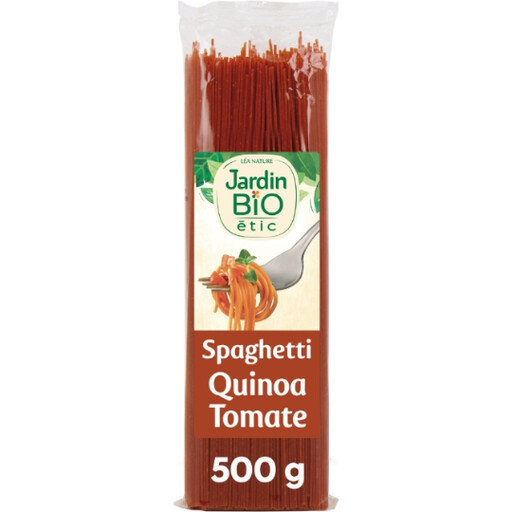 Image unavailable
A different flavoured spaghetti option for a recipe that suits the pupil. Check the pack for organic information, gluten and eggs, as well as any possible traces of soya and mustard. Try it cold before packing it to take away.
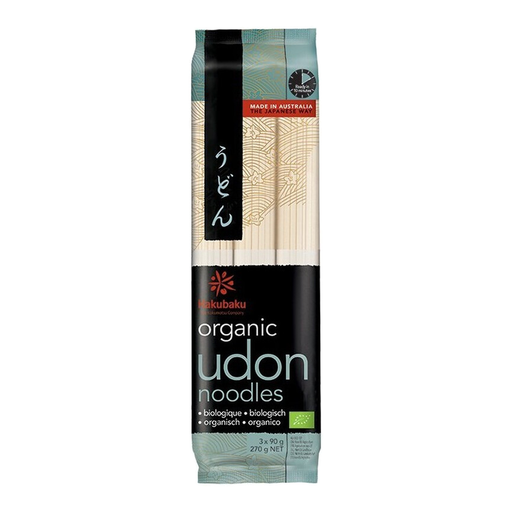 Image unavailable
Udon noodles are worth considering if you’d rather prepare this type of dish than a salad with short pasta. They contain wheat and gluten, so check the organic information on the pack and try the recipe chilled before planning it for a lunchbox.
Check the organic certification details on the packaging of the exact product, then read its ingredients list. The French Ministry of Agriculture says organic farming is governed by European regulations. However, the organic label alone doesn’t tell you whether the pasta contains gluten.
No. Organic wheat pasta contains gluten. Choose a product explicitly labelled gluten-free, and check the other ingredients and ‘may contain’ information in line with the pupil’s requirements. The chickpea twists featured by Auchan France are one example of a product described as organic and gluten-free.
Check the arrangements for the pupil with the school. The French Ministry of National Education explains that an Individual Healthcare Plan can set out adjustments to a pupil’s education, including arrangements for dietary requirements.
Choose storage arrangements that suit all the salad ingredients, especially if it contains perishable foods. Follow their storage instructions and plan how the food will be transported and kept until lunchtime, maintaining the cold chain where the recipe requires it, as recommended by the French Ministry of Agriculture.