
Livraison le jour même ou le lendemain

Qualité garantie

Débloquez vos offres de bienvenue: Livraison GRATUITE | Jusqu'à -80 % | 30 jours d'essai gratuits à JoyPlus
Téléchargez l'application
Finding authentic organic Japanese noodles can sometimes feel like an uphill battle. Faced with a multitude of varieties, sometimes obscure ingredients, and pervasive marketing, it's hard to know where to start. Your goal: to recreate the authentic flavours of Japan at home, whether in a comforting broth, a vibrant stir-fry, or a summer salad. All without compromising on organic quality and simple ingredients.
This guide is here to help you navigate the options. As the Head of Product Selection at Joybuy, I'm sharing my tips and tricks for choosing the perfect noodles for every dish.
Before you head to the kitchen, let's review the essential criteria for making an informed choice. We'll focus on two key points.
The term "Japanese noodles" is a bit of a catch-all. It actually refers to several major families of pasta, each with its own texture, taste, and preferred use. The three undisputed stars are:
Rule of thumb: a short ingredient list is often a sign of quality. Real Japanese noodles stick to the essentials: flour (wheat or buckwheat), water, and a pinch of salt. That's it!
To be sure you're buying organic Japanese noodles, look for the Euro-leaf logo (the famous green leaf) on the package. This label guarantees compliance with strict organic farming standards. Brands like Hakubaku are benchmarks in this field, with organic products that respect traditional recipes. For those following a specific diet, Halal certification can also be an important selection criterion.
To whet your appetite, here is our selection of three products that tick all the boxes: quality, versatility, and authenticity.
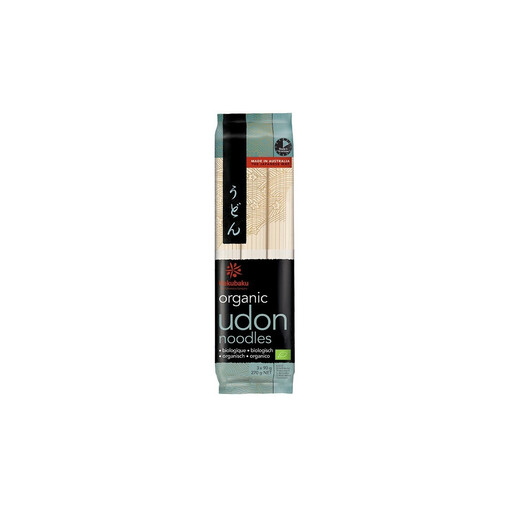
Why We Love Them These udon are made with premium Australian organic wheat, rigorously selected by Hakubaku. Their recipe, true to tradition, guarantees an authentic texture and a delicate flavour. Ready in just 10 minutes, they are the ideal base for a quick and tasty meal.
Key Features
Who Is It For? For lovers of comfort food and family meals. Their soft texture is generally a big hit with children. It's the perfect solution for anyone looking for a nourishing and express base for their Asian-inspired recipes.
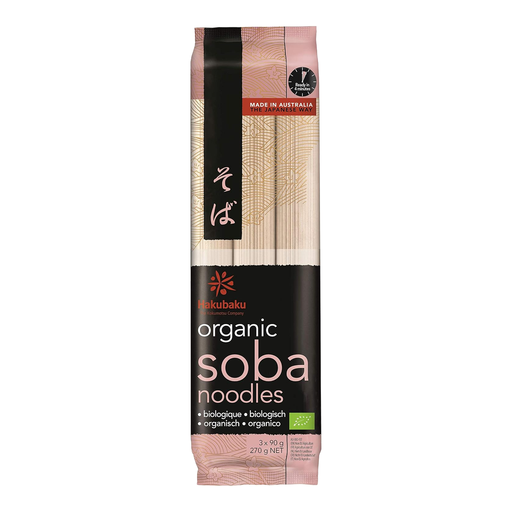
Why We Love Them With 29% buckwheat flour, these soba noodles have that characteristic nutty taste and the firm texture you expect from authentic soba. The package is cleverly divided into three 90g bundles, which makes portioning a breeze. Made in Japan, they are the result of authentic craftsmanship.
Key Features
Who Is It For? For those who enjoy more distinctive flavours and are looking for an interesting alternative to wheat. An excellent choice for summer noodle salads, light broths, or to accompany tempura.
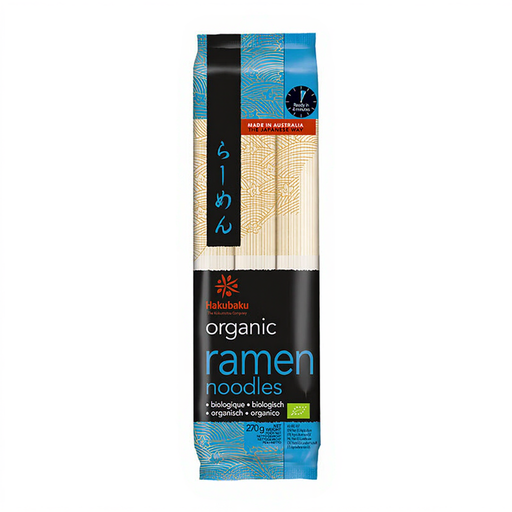
Why We Love Them With 97% organic wheat flour, these ramen have the firm, elastic, and perfectly chewy texture that is essential for a worthy bowl of ramen. Their express cooking time (only 3 to 4 minutes!) allows you to prepare a bowl of homemade ramen in record time.
Key Features
Who Is It For? The essential ingredient for ramen enthusiasts who want to experience authentic taste at home. Also perfect for those in a hurry who refuse to sacrifice quality for a quick and delicious meal.
Our selection highlights these three great classics, but the world of Japanese noodles is much vaster. To explore other formats, different compositions, or simply out of curiosity, feel free to browse our complete catalogue.
? Discover our entire range of 270g noodles and find inspiration for your next dish.
1. What is the difference between udon, soba, and ramen noodles? To put it simply: udon are thick, white, and soft (wheat-based). Soba are thin, grey-brown, and firm (buckwheat and wheat). Ramen are thin, often wavy, yellowish, and elastic (wheat and an alkaline agent). It all depends on the texture you're looking for and your recipe!
2. How do you cook organic Japanese noodles? Most dried noodles are cooked in a large volume of boiling water, just like Italian pasta. The cooking time varies depending on the type (allow 3-4 min for ramen, 8-10 min for udon). The easiest way is to always follow the instructions on the package. A little tip for cold dishes (like a soba salad): rinse them under cold water immediately after draining. This stops the cooking process and removes excess starch for a better texture.
3. Where can I buy quality Japanese noodles online? To be sure of quality and authenticity, it's best to turn to an online Asian grocery store or specialised sites like Joybuy. There you will find a curated selection of imported brands, like Hakubaku, and therefore products that are often hard to find in regular supermarkets.