Parents who care about ingredients
You want to know which herbs and flavourings are in a blend before you choose, rather than relying only on its name or a promise of wellbeing.


To choose an organic herbal tea for everyday drinking, first check its certification and ingredients, then pick a blend whose flavour and composition suit how you plan to use it. Organic certification governs how a product is made, but it does not mean that every herbal blend is suitable in every situation. Liquorice, in particular, calls for extra care if consumed regularly.
You want to know which herbs and flavourings are in a blend before you choose, rather than relying only on its name or a promise of wellbeing.
Pregnancy, breastfeeding, medication or a medical condition may mean you need to check every herb and seek advice before drinking a blend regularly.
You’re looking for a flavour you enjoy and a format that’s easy to buy where you usually shop. Check availability when you do your shopping.
Start by checking the organic certification and ingredients. Then look into any precautions associated with the herbs before comparing blends by flavour and format.
| Criteria | What to check | Who it’s for |
|---|---|---|
| Certification and ingredients | Look for the official organic certification mark on the packaging and read the full list of herbs and flavourings. According to the DGCCRF and the Ministry of Agriculture, organic production is governed by regulations, but that alone does not tell you what is in the blend. | I want to know which herbs I’m infusing before making a blend part of my daily routine; around 31% of consumers would put certification and clear ingredient information first. |
| Precautions associated with the herbs | In particular, check whether liquorice is listed as an ingredient. If you’re pregnant or breastfeeding, taking medication or have a medical condition, ask a healthcare professional for advice before drinking it regularly. | If I’m breastfeeding or taking medication, I want to check every herb before using a blend regularly; around 31% of consumers would make these precautions their top priority. |
| Flavour and type of blend | Choose a flavour profile you enjoy, and check whether the blend contains tea or maté if you’re looking for an herbal infusion only. | With a busy daily routine, I want a flavour I enjoy without mistaking an herbal infusion for a drink containing tea; around 23% of consumers would prioritise flavour and type of blend. |
| Availability and format | Check availability at your local shop or through its online grocery service, then compare the number of tea bags and the net weight. | I want to be able to find the same blend easily when I’m shopping, in a pack that suits me; nearly 15% of consumers would prioritise availability and format. |
Organic certification relates to how a product is made. It does not mean that a blend is suitable during pregnancy or breastfeeding, or when you’re taking medication.
Check the organic certification and ingredients separately. If your circumstances mean you need to take extra care before drinking a blend regularly, seek professional advice.
According to Anses, high and repeated consumption of products containing liquorice can lead to hypokalaemia and high blood pressure.
Read the ingredients, even if a blend is described as aromatic or digestive. If you need to avoid liquorice, choose a blend whose ingredients list does not include it.
A shelf of infusions may also include blends containing tea or maté; the name of the shelf alone won’t tell you what’s in a blend.
If you’re looking for an herbal infusion only, check the ingredients on the box you choose.
Availability may vary between a product page, an online grocery service and a shop. A substitute blend may also contain different ingredients.
Check availability when you place your order, and read the ingredients again if you choose a different product.
Carrefour offers organic herbal infusions, including verbena and ginger blends, which you can compare by their exact ingredients.
E.Leclerc offers Bio Village herbal infusions, including thyme and verbena and mint blends.
Auchan’s range includes an Auchan Bio verbena and peppermint infusion.
Twinings offers a range of teas and infusions in France, with a variety of flavours.
Lipton is one of the brands of infusion drinks stocked by French retailers.
If Lidl is one of your regular shops, check the herbal teas available locally, one product at a time.
These products let you compare blends presented as organic, from mint infusions to blends listed as containing liquorice. For each one, check the official organic certification mark and the ingredients on the box before choosing.
 Image unavailable
Worth considering if you’re looking for a verbena and mint blend in tea bags. The title states that it contains 20 sachets; check the organic certification mark and brewing instructions on the box before making it.
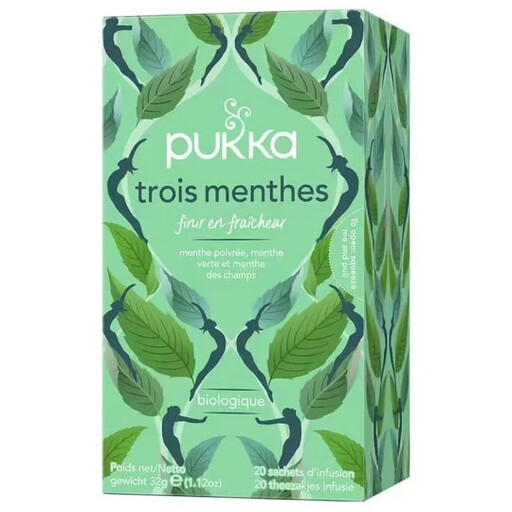 Image unavailable
Worth considering if you’d like to compare a blend with three herbs named in its title. The stated pack size is 36 g; read the full list of herbs and look for the organic certification mark on the packaging.
 Image unavailable
Worth considering if you’re comparing the ingredients in a blend called Digestion, without assuming the name promises a particular effect. The stated pack size is 40 g and the ingredients list includes liquorice. According to Anses, high and repeated consumption of liquorice carries risks; check the ingredients and organic certification mark on the box.
 Image unavailable
Worth considering if you’re looking for a ginger flavour and want to check which other herbs are in the blend. The stated pack size is 36 g; this blend is listed as containing liquorice. Check the ingredients list and organic certification mark on the box, bearing in mind Anses’ advice about the risks of high and repeated liquorice consumption.
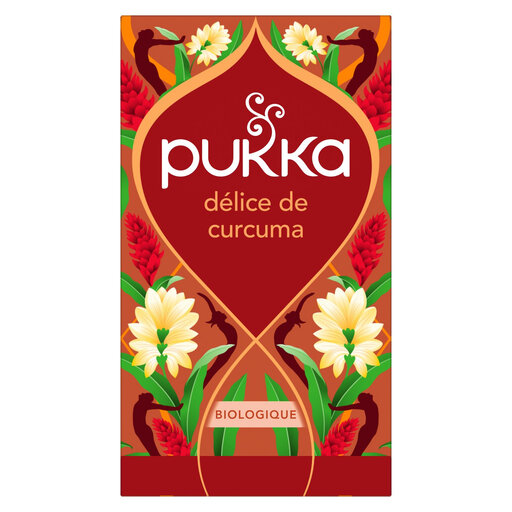 Image unavailable
Worth considering if you’re comparing turmeric blends rather than an infusion made only with mint leaves. The stated pack size is 36 g and liquorice is listed among the ingredients. Check the ingredients and organic certification mark on the box; Anses advises caution over high and repeated liquorice consumption.
Look for the official organic farming mark on the packaging, then read the product name and ingredients. The DGCCRF explains that official marks relate to defined production conditions; the Ministry of Agriculture states that organic certification is governed by European regulations.
No. Organic certification does not confirm that every herb is suitable for your personal circumstances. Check the ingredients and ask a doctor, midwife or pharmacist for advice before drinking a blend regularly if you’re pregnant or breastfeeding, taking medication or have a medical condition.
Liquorice deserves particular attention if you drink herbal tea often: according to Anses, high and repeated consumption of products containing liquorice can lead to hypokalaemia and high blood pressure. Look for this ingredient on the box, whatever the blend is called.
No. The same shelf may stock herbal infusions as well as drinks containing tea or maté. If you want an herbal tea with no tea leaves, check the ingredients of the product you choose rather than relying on the shelf label alone.
Follow the instructions on the box you choose rather than using one brewing time for every blend. Also check the product’s storage instructions.