When choosing an organic herbal tea as a new parent, first check its organic certification, then its ingredients and format. An organic label does not guarantee that a tea is caffeine-free or suitable during pregnancy, while breastfeeding or alongside medication. The herbs it contains and the circumstances of the person drinking it are what matter.
Who are these criteria useful for?
Parents who care about organic certification
If the word ‘natural’ isn’t enough for you, look for the EU organic logo on the packaging. According to Agence BIO, this logo indicates that the product complies with European Union rules on organic farming.
Parents choosing a drink for the evening
If you want to avoid caffeine, check the ingredients rather than relying on the name of the blend. Certain herbs also call for extra care if the person drinking the tea is pregnant, breastfeeding, taking medication or has a medical condition.
Parents who prefer a simple preparation
Tea bags, pack size and brewing instructions can all make a difference to your family routine. Also check that your chosen product is available from your usual shop or collection service.
What should you check before buying?
Start with the ingredients if you’re concerned about caffeine or certain herbs, then check the organic label and choose a format that suits the way you’ll use it. These three checks answer different questions.
| Criteria |
What to check |
Who is it for? |
| Ingredients and caffeine |
Read the full ingredients list and look out in particular for sources of caffeine or liquorice. If you’re pregnant, breastfeeding, taking medication or have a medical condition, seek advice tailored to your situation. |
For an evening drink, or when my circumstances mean I need to be cautious, I want to know which herbs are in a tea before choosing a flavour; around 40% of consumers put this check first. |
| Organic certification |
Look for the EU organic logo and organic labelling on the exact product; ‘natural’ is not a certification. |
I’m looking for a verifiable indication that a product is organic, rather than a simple reference to nature; this is thought to be the top priority for around 40% of consumers. |
| Format and preparation |
Compare the number of tea bags, net weight and brewing instructions, then check that your chosen product is available. |
When my days don’t follow the same routine, I prefer a pack and preparation method that are easy to fit into my day; around 20% of consumers are thought to prioritise this aspect. |
Common misconceptions to avoid
-
Assuming ‘organic’ means suitable for everyone
Organic certification relates to how a product is produced, not whether it is caffeine-free or suitable for an individual’s circumstances.
Check the label and the full ingredients list. If the person drinking the tea is pregnant, breastfeeding, taking medication or has a medical condition, ask a healthcare professional for advice.
-
Choosing a ‘relaxation’ or ‘digestion’ blend based on its name
These names don’t tell you everything about the herbs in a blend. Anses warns that excessive liquorice consumption can cause potentially serious adverse effects.
Read the ingredients for the specific blend and take liquorice into account if it’s listed, rather than assuming an effect or suitability from the name.
-
Assuming all herbal teas are caffeine-free
The word ‘herbal tea’ isn’t enough to rule out caffeinated ingredients. Anses says caffeine can delay falling asleep.
If you’re looking for a caffeine-free evening drink, check the ingredients and the information on the exact product.
-
Comparing packs without checking what’s inside
The number of tea bags and net weight can vary between blends. The same style of pack doesn’t guarantee the same format.
Check the contents and preparation instructions before choosing a format for regular use.
Brands to explore
Carrefour Bio
Carrefour offers several organic herbal teas in this range, including a verbena blend and mixed herbal teas.
- Several products are available in boxes of 20 tea bags.
- A blend’s name may refer to sleep or digestion, but you should still read the ingredients.
Auchan Bio
The range includes organic herbal teas in tea bags, with both single-herb blends and combinations.
- Auchan’s listing for its relaxation herbal tea specifies a box of 20 tea bags, weighing 30 g, and gives a full ingredients list.
- This blend contains liquorice, among other ingredients, so check the ingredients in light of the circumstances of the person who’ll be drinking it.
Bio Village (E.Leclerc)
E.Leclerc offers several organic herbal teas under the Bio Village brand, including blends of verbena and mint.
- One verbena and mint blend comes in a box of 20 tea bags, weighing 30 g.
- For a specific product, check its ingredients and availability with your local E.Leclerc store.
Herbal teas to compare on Joybuy
This selection includes blends made with named herbs as well as more complex combinations. To choose between them, compare the stated format with your habits, then check the packaging for the organic label and any ingredients that matter for your circumstances.
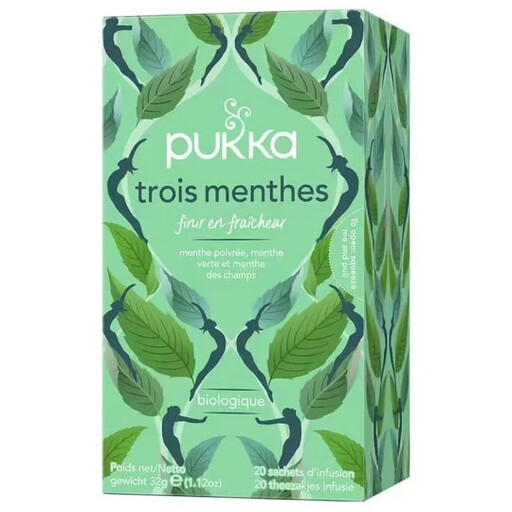 Image unavailable
PUKKA Organic Herbal Tea with 3 Herbs, 36 g
Worth considering if you’re looking for a 36 g herbal tea. Check the ingredients and organic labelling on the product before choosing it for your routine.
View on Joybuy
 Image unavailable
ELEPHANT organic verbena and mint herbal tea, 20 tea bags
Worth comparing if you’re after a verbena and mint blend in tea bags. The box contains 20 tea bags. Follow the preparation instructions on the packaging and check its organic labelling.
View on Joybuy
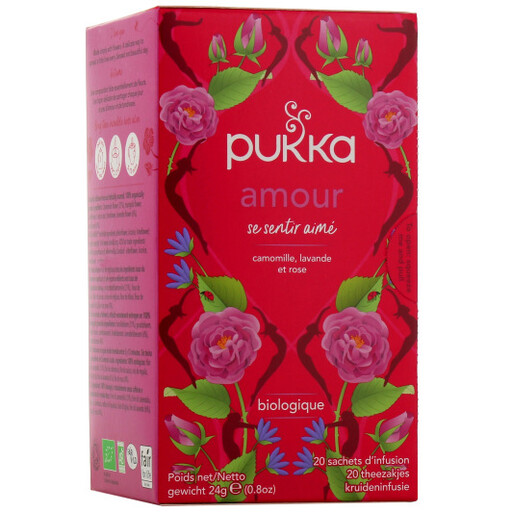 Image unavailable
Pukka Organic Love Herbal Tea, 24 g
Worth considering if you prefer a 24 g herbal blend. Read the ingredients, particularly to check for liquorice, and look for the organic certification on the packaging.
View on Joybuy
 Image unavailable
Pukka Organic Gingers Herbal Tea, 36 g
Worth comparing if you’re interested in a blend of several herbs. This pack contains 36 g; check the ingredients list, especially for liquorice, as well as the organic labelling.
View on Joybuy
 Image unavailable
Pukka Organic Digestion Herbal Tea, 40 g
Worth considering for its 40 g format and ingredients, rather than the promise suggested by its name. Check the packaging for liquorice and the organic label.
View on Joybuy
Frequently asked questions
How can you identify organic herbal tea on the packaging?
Look for the EU organic logo and related organic labelling on the exact product. According to Agence BIO, this logo indicates compliance with European organic farming rules; on its own, it doesn’t tell you whether the tea contains caffeine or whether its ingredients call for any precautions.
Is organic herbal tea automatically suitable during pregnancy or breastfeeding?
No. Organic certification alone doesn’t establish that a blend is suitable in these circumstances. Check every ingredient and ask a healthcare professional for advice tailored to the person concerned, particularly if they’re also taking medication or have a medical condition.
Are all herbal teas caffeine-free?
No. Some ingredients used in brewed drinks may contain caffeine. If you want to avoid it, check the product’s ingredients rather than relying on the word ‘herbal tea’ or a name that suggests it’s for the evening.
Should you prepare all tea bags in the same way?
No, follow the instructions for the blend you’ve chosen. For example, Auchan Bio’s listing for its relaxation herbal tea recommends 200 ml of simmering water and 3 to 5 minutes of brewing; these instructions may not apply to other products.


