For a simple hot drink in the morning
You want to check the certification and ingredients easily before choosing a herbal tea for breakfast or a break during a market day.


To choose an organic herbal tea for breakfast or a market day, first check the certification and ingredients, then pick a flavour and format that suit your breaks. If you’re planning to have several cups, pay particular attention to tea, guarana and liquorice: the recipe’s name alone isn’t enough to tell you whether it’s right for you.
You want to check the certification and ingredients easily before choosing a herbal tea for breakfast or a break during a market day.
You compare mint, fennel, ginger or lemon recipes according to the flavour you’re looking for, rather than any wellbeing claims.
If you plan to drink several cups or need to take particular precautions, check the label carefully for liquorice, tea or guarana.
Whether it’s for the morning or a day at the market, start with the certification and ingredients. Then consider which recipe you’ll enjoy drinking and how you’ll prepare it while you’re out.
| What to consider | What to check | Who is this for? |
|---|---|---|
| Certification and ingredients | Look for the Euro-leaf logo and read the full ingredients list. According to Agence Bio, this logo confirms that EU organic farming rules have been followed. | I want to recognise organic certification without relying on the tea’s name alone, and know which plants are in my cup. Around 45% of consumers prioritise this check. |
| Flavour and drinking several cups | Compare the plants and flavours. In particular, check for tea, guarana or liquorice if their presence matters to you. | If I drink several cups, I want a flavour I enjoy without overlooking ingredients I need to watch out for. Around 33% of consumers are thought to share this priority. |
| Format and preparation | Check the number of tea bags and the brewing instructions, then plan how you’ll get hot water during your market day. | When I take herbal tea with me, I prefer portions that are easy to carry and prepare when I take a break. Around 22% of consumers are thought to put this need first. |
Organic certification doesn’t tell you everything about the plants in a recipe. Anses notes that tea and guarana naturally contain caffeine.
If you want to limit your caffeine intake, check the ingredients list for the product you’re considering rather than relying on the name of the aisle.
According to Anses, regularly consuming large amounts of products containing liquorice can lead to problems including low blood potassium and high blood pressure. Certain medicines and health conditions call for particular care.
Check the ingredients for liquorice. If you have a health condition or are taking medication and have concerns, ask a healthcare professional for advice.
A name that suggests it aids digestion doesn’t mean a herbal tea will have a particular effect. The ingredients and flavour are separate considerations from any such claim.
Choose a recipe based on its ingredients and your preferences, rather than treating it as a remedy.
Carrefour’s product listing for its Organic Light Digestion herbal tea describes a box of 20 tea bags, weighing 30 g, with a detailed ingredients list.
Clipper’s organic Divine Digestion herbal tea, sold in a box of 25 tea bags, is aimed at fans of minty, spicy flavours.
According to Jardin BiO étic, its Ginger and Lemon recipe combines ginger, rooibos, lemon, spices and liquorice. The brand says it can be enjoyed hot or cold.
These tea-bag options include herbal, citrus and spiced blends to consider for breakfast and breaks during a market day. For each one, check the packaging for organic certification and ingredients before choosing.
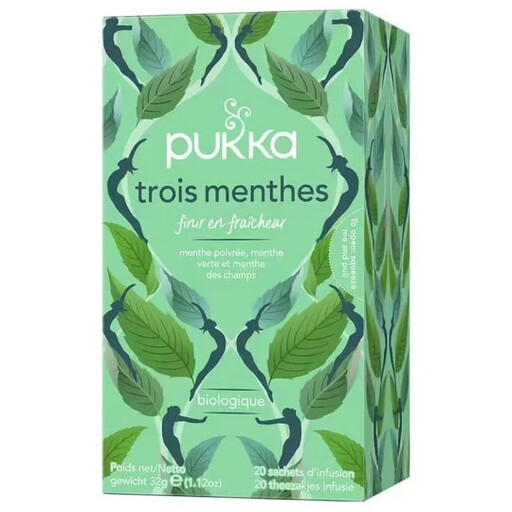 Image unavailable
Worth considering if you’re looking for an herbal tea to enjoy during the day. The stated weight is 36 g. Check the packaging for the three herbs in the recipe, organic certification and number of tea bags.
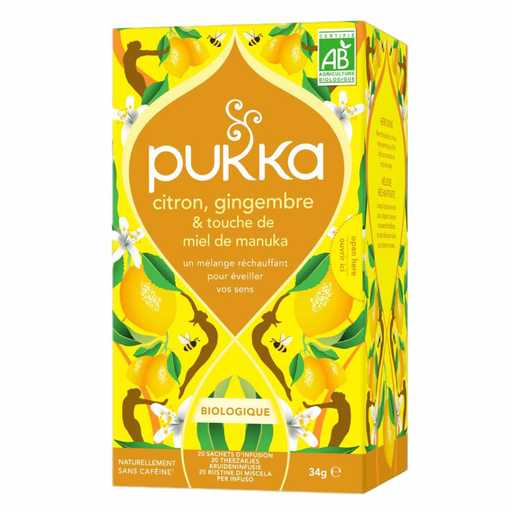 Image unavailable
Consider this if you’re looking for individual portions with notes of lemon and ginger. The box is listed as containing 20 tea bags. The recipe contains liquorice, which is worth bearing in mind if you plan to drink it often. Check the packaging for organic certification too.
 Image unavailable
Worth considering if you prefer a ginger blend for your morning cup. The stated weight is 36 g. The recipe contains liquorice, which is worth noting if you drink large amounts regularly. Check the packaging for organic certification and format.
 Image unavailable
Worth considering if you’re looking for individual tea bags in a verbena and mint blend. The stated format is 20 tea bags. Check the packaging for organic certification and brewing instructions before making your first cup.
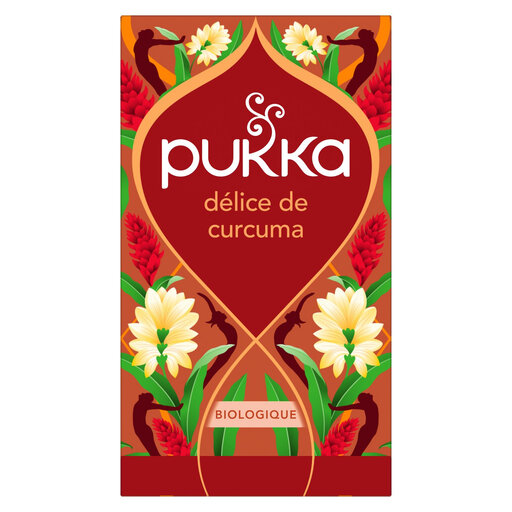 Image unavailable
Worth considering if you prefer a turmeric blend for a break during your market day. The stated weight is 36 g. The recipe contains liquorice, so bear this in mind if you plan to have several cups. Check the packaging for organic certification and the number of tea bags.
Look for the Euro-leaf logo on the packaging. According to Agence Bio, it shows that EU organic farming rules have been followed. Also read the ingredients list to find out which plants are in the recipe; certification alone doesn’t tell you that.
No: the word ‘herbal tea’ doesn’t guarantee that a product is caffeine-free. Anses says that tea and guarana naturally contain caffeine. If you want to limit your intake, check the ingredients for the product you’re considering.
This is particularly important if you’re planning to consume large amounts regularly. Anses highlights risks in this situation, including high blood pressure, and precautions relating to certain health conditions and medicines. If you’re unsure how this applies to you, ask a healthcare professional for advice.
No. Check the guidance for the product you’ve bought and your local instructions. Jardin BiO étic says its tea bags are compostable in suitable conditions; this doesn’t automatically apply to every herbal tea bag.