For a plant-based brew after a meal
You’re looking for a flavour such as verbena and mint to round off a winter dinner, and would like a recipe that’s explicitly labelled caffeine-free, if that matters to you.


To enjoy with or after a comforting winter meal, choose a herbal tea whose specific product has a clearly identifiable organic label, then compare the ingredients to find the flavour you want: verbena and mint, a floral blend, or notes of ginger and lemongrass. If you’re looking for a caffeine-free drink or plan to have it regularly, also check the wording for the specific recipe and whether it contains liquorice. A name such as ‘relaxation’ or ‘digestion’ does not guarantee a health benefit.
You’re looking for a flavour such as verbena and mint to round off a winter dinner, and would like a recipe that’s explicitly labelled caffeine-free, if that matters to you.
You want to distinguish between the organic certification of the specific product, its ingredients list and the wellness claims on the box.
You prefer floral, minty or spicy notes, in a handy tea-bag format for breakfast, after a meal or in the evening.
For a herbal tea to enjoy with a winter meal, start with the specific product rather than the range name. Check its organic label and ingredients, then choose the flavour, when you’ll drink it and the format.
| Criteria | What to check | Who it matters to |
|---|---|---|
| Organic label | The organic claim and certification marks on the specific product you’re choosing, followed by its ingredients list. | I want to be sure the herbal tea I’ve chosen—not just the range it belongs to—meets my organic criteria. Around 36% of consumers make this their top priority. |
| Caffeine and timing | An explicit ‘caffeine-free’ claim and the recipe’s ingredients. | After dinner, I’m mainly looking for a hot, caffeine-free drink. This is the top priority for around 29% of consumers. |
| Flavour profile | The main plants and their proportions, where stated: mint, verbena, floral herbs or ginger. | To finish a winter meal, I choose the flavour I’ll enjoy drinking rather than a promise on the box. Around 21% of consumers prioritise flavour. |
| Format | The number of tea bags, net weight and whether the product is available at your store or for your chosen collection option. | If I drink it regularly, I want a pack that’s easy to compare and find again. For around 14% of consumers, this everyday format comes before the other criteria. |
Organic certification applies to a regulated method of production. It doesn’t mean a herbal tea is free from flavourings or that all its plants are locally sourced. For example, Auchan Bio Relaxation herbal tea contains natural orange blossom flavouring.
Check the organic claim, ingredients, flavourings and the origin of the plants separately if that matters to you.
According to Anses, frequent, high consumption of products containing liquorice can pose health risks, including high blood pressure and hypokalaemia. This is particularly important if you consume several liquorice products or take medication that may be affected.
Look for liquorice in the ingredients list, and ask a healthcare professional for advice if the precautions highlighted by Anses apply to you.
A product name does not prove a medical benefit. The French Directorate-General for Competition Policy, Consumer Affairs and Fraud Control points out that nutrition and health claims on food are regulated.
Choose your herbal tea for its ingredients and flavour, and check separately for any essential features, such as being caffeine-free.
These brands offer examples of recipes and formats to compare. Always check the organic label on the specific herbal tea you’re considering.
The Be Cool recipe combines verbena, mint and liquorice; Kusmi Tea describes it as organic and caffeine-free.
The range includes organic verbena and ginger herbal teas, as well as lemongrass and lemon blends.
The organic Relaxation herbal tea comes in a pack of 20 tea bags and includes orange leaves, chamomile and verbena.
The range includes organic herbal teas in tea bags, including a relaxation blend of verbena, hawthorn, aniseed and lime blossom.
Carrefour lists Lipton herbal teas among its hot drinks, including a mint and liquorice blend.
These herbal teas offer ideas for a spicy, aniseed or floral cup to enjoy with a winter meal. Some product names include an organic claim. If certification is important to you, check the label on the packaging or the product details for the one you choose.
 Image unavailable
Worth considering if you prefer ginger herbal tea for a winter break. The stated pack size is 36 g.
If you drink it regularly, check whether the ingredients include liquorice and bear the Anses precautions in mind.
 Image unavailable
An option after a meal if you enjoy plant blends with aniseed notes. The stated pack size is 40 g; the name ‘Digestion’ does not guarantee any health benefit.
Check the ingredients if you want to limit products containing liquorice.
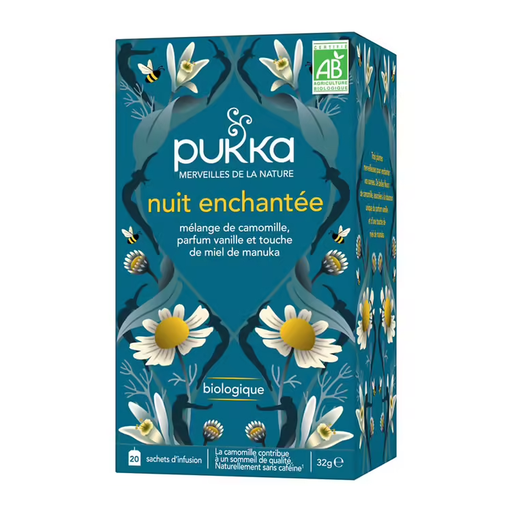 Image unavailable
Worth considering for an evening break if you’re looking for a blend with floral notes. The stated pack size is 32 g.
The recipe includes Manuka honey, natural vanilla flavouring and liquorice. If caffeine-free is essential, check the label on this product before buying.
 Image unavailable
A chamomile option if you prefer a floral flavour at the end of a meal. The title lists 21 tea bags weighing 42 g.
If you require organic certification or an explicit caffeine-free claim, check the label on the product before choosing it.
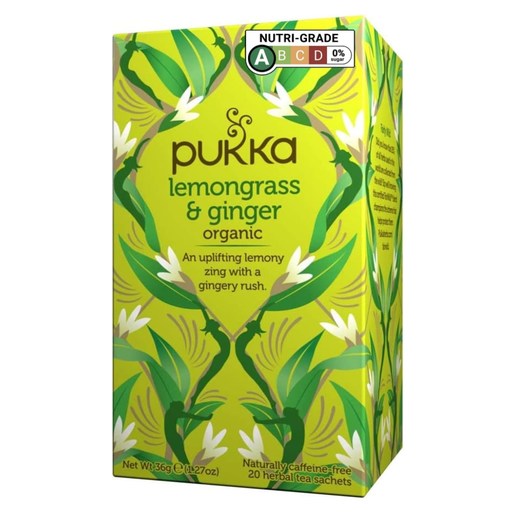 Image unavailable
Worth considering if you prefer lemongrass and ginger notes to a floral blend. The title lists a pack of 20 tea bags.
Check the organic label and, if you need it for the evening, the caffeine information. Also check the ingredients if you avoid liquorice.
Check for the organic claim and certification marks on the packaging or the product details for the specific item. The French Ministry of Agriculture explains that organic farming is covered by European regulations, so a brand or range name alone doesn’t mean every herbal tea it includes is organic.
No, these names don’t guarantee a health benefit. The French Directorate-General for Competition Policy, Consumer Affairs and Fraud Control points out that health claims on food are regulated. When choosing a drink, look at its ingredients and flavour instead.
Not necessarily, but it’s worth paying particular attention to if you consume it often. Anses highlights the risks of frequent, high consumption, as well as precautions for certain groups and people taking some medicines. Ask a healthcare professional for advice if this applies to you.
No. Check the label and ingredients of the specific product you choose. For example, Kusmi Tea describes Be Cool as caffeine-free, but that doesn’t apply to every drink sold as a herbal tea.