If you want to check it’s organic
If certification matters more to you than a general claim that something is ‘natural’, look for the Euro-leaf logo, the code of the inspection body and the origin of the agricultural ingredients on the packaging.


To enjoy with coffee and sweet treats, first check the organic certification on the packaging, then choose a blend to complement what you’re serving: go for delicate floral notes for a subtle pairing, or mint and anise for a more pronounced finish. Check the ingredients too: some blends contain liquorice, which requires particular care if consumed in large amounts or regularly.
If certification matters more to you than a general claim that something is ‘natural’, look for the Euro-leaf logo, the code of the inspection body and the origin of the agricultural ingredients on the packaging.
With biscuits or delicate pastries, you might prefer subtle floral notes. If you’d like a more pronounced finish, compare blends featuring mint and anise.
Check the ingredients carefully if you want to limit liquorice or caffeine-containing ingredients, particularly if you’re already having coffee or drinking your herbal tea late in the day.
When choosing an herbal tea to enjoy with coffee and sweet treats, consider three things separately: its organic certification, how its flavour pairs with dessert and any ingredients you want to avoid. The name of a blend alone won’t tell you all three.
| What to consider | What to check | Who is it for? |
|---|---|---|
| Organic certification | Look for the Euro-leaf logo, the code of the inspection body and the origin of the agricultural ingredients on the packaging. The European Commission reserves the logo for certified products that meet requirements including a minimum of 95% organic ingredients. | If I want to distinguish certification from a simple reference to nature, these details matter more than the name of the blend. Around 42% of consumers rank this check as their top priority. |
| Flavour pairing | Read the main ingredients: flowers and camomile for floral notes, or mint and anise for a more pronounced finish. | With delicate petits fours, I might not want a very minty cup; after a meal, I might prefer that freshness instead. Around 33% of consumers would make pairing with sweet treats their top priority. |
| Ingredients and when you’ll drink it | Check for liquorice and, if you’re having your herbal tea with coffee or drinking it late, look for tea, maté or other ingredients containing caffeine. | If I’m limiting liquorice or caffeine, the ingredients list matters more than a ‘post-meal’ label. Around 25% of consumers would make this their main consideration. |
These words don’t replace the European organic logo. Nor does a name such as ‘detox’ or ‘digestion’ prove a therapeutic effect; France’s DGCCRF reminds consumers that health claims on food are regulated.
Check the certification details and ingredients before choosing a blend based on its name.
The Auchan Bio Relaxation and Bio Village After Meal blends featured here both contain liquorice. According to Anses, consuming large amounts of liquorice regularly can cause side effects, including high blood pressure.
Read the full ingredients list. If liquorice is a particular concern for you, seek advice tailored to your circumstances.
A blend with mint and anise can overpower delicate pastries. A floral blend offers a different pairing, although it won’t necessarily suit every sweet treat.
Start with the flavour you’re looking for alongside your dessert, then check the ingredients of the blend you choose.
The Carrefour Bio range includes several herbal tea blends, including ginger, lemongrass and lemon; relaxation; and turmeric and ginger.
Auchan Bio Relaxation herbal tea combines orange blossom, camomile and verbena. It comes in a box of 20 tea bags and has floral notes to compare with the treats you’re serving.
Bio Village After Meal herbal tea includes mint, anise and fennel, and comes in a box of 20 tea bags.
Kusmi Tea describes Be Cool as an organic herbal tea with verbena, mint and liquorice, in a 20 g tin.
These herbal teas offer a range of flavours to explore with coffee and sweet treats, from aniseed and floral notes to fresh, herbal flavours. For any product described as organic, check the certification details on the packaging. Also compare the ingredients with your dessert and the time you plan to enjoy your cup.
 Image unavailable
Worth considering if you’re looking for aniseed notes to enjoy after coffee and sweet treats.
Size: 40 g. Check the ingredients for liquorice and look for organic certification details on the packaging.
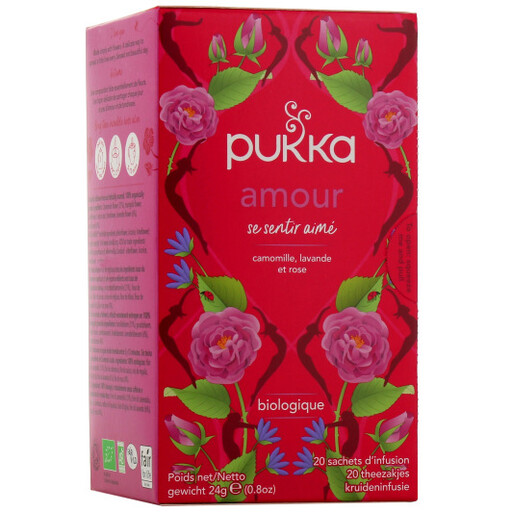 Image unavailable
Its floral notes are worth considering if you’d like something to enjoy with sweet treats without choosing a blend dominated by mint or anise.
Size: 24 g. Check the ingredients if you want to limit liquorice, and look for organic details on the packaging.
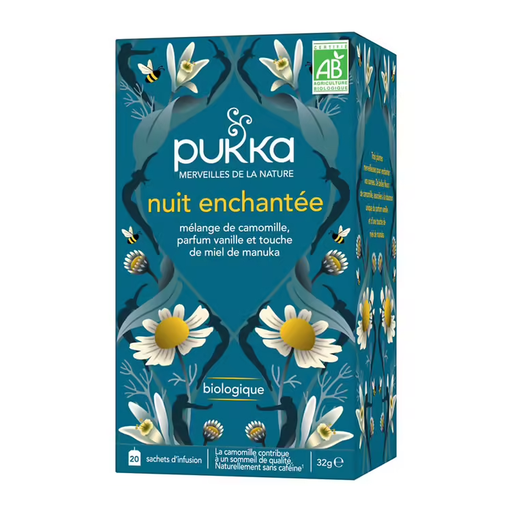 Image unavailable
Worth considering for a gently flavoured cup at the end of the day, bearing in mind the flavours of the dessert you’re serving.
Size: 32 g. Check the ingredients, particularly if you’re limiting liquorice, and look for certification details on the box.
 Image unavailable
Worth considering if you’re looking for a camomile cup to enjoy with sweet treats rather than a minty or aniseed blend.
Size: 21 tea bags, 42 g. Check the packaging for organic details and, if it matters to you, information about caffeine.
 Image unavailable
Worth considering if you prefer pairing the freshness of mint with verbena, without choosing an aniseed blend.
Size: 20 tea bags. Check the organic details and, if you’re having a cup late in the day, look for information about caffeine on the packaging.
Look for the Euro-leaf logo on the packaging, then check the inspection body’s code and the stated origin of the agricultural ingredients. According to the European Commission, the logo is reserved for certified products that meet requirements including a minimum of 95% organic ingredients.
No. These names alone don’t prove a therapeutic effect. France’s DGCCRF reminds consumers that health claims on food are regulated. When choosing an herbal tea, look instead at its ingredients, organic details and flavour.
Consider your overall intake and personal circumstances. Anses says that consuming large amounts of liquorice regularly can cause hypokalaemia and high blood pressure, among other effects. If you’re unsure, ask a healthcare professional for advice.
If you’re sensitive to caffeine or having your cup late in the day, check whether the herbal tea contains tea, maté or another ingredient with caffeine. Anses says caffeine can disrupt sleep, although its effects vary from person to person.