People who care about organic certification
You want to tell an organic herbal tea apart from a blend that’s simply described as natural. The EU organic logo and the product description are useful details to check on the packaging.


To enjoy with toast and jam, first choose an herbal tea with organic credentials you can verify, then narrow down the blends to suit your taste: subtle botanicals or a fruitier flavour. If you plan to drink it regularly, check the ingredients list too. If it contains liquorice, take particular care, regardless of any ‘wellbeing’ or ‘digestion’ claims.
You want to tell an organic herbal tea apart from a blend that’s simply described as natural. The EU organic logo and the product description are useful details to check on the packaging.
You’re looking for a drink to enjoy with jam. A fruit or hibiscus blend has a different flavour profile from a herbal infusion; check the ingredients and flavourings to help you decide.
You look at the ingredients in blends labelled ‘digestion’ or made with mint and liquorice before making them part of your regular routine. Anses advises particular caution around high, repeated consumption of liquorice.
For breakfast with toast and jam, check the organic details and ingredients for the specific product, then choose between a botanical or fruity flavour. How often you plan to drink it is also worth considering if it contains liquorice.
| What to consider | What to check | Who is this for ? |
|---|---|---|
| Organic certification | Check the EU organic logo, the product description and the ingredients list. The DGCCRF sets out the conditions for using the organic label on processed products. | If certification matters more to me than the flavour, I want to be able to check it on the packaging; around 44 % of consumers would put this check first. |
| Breakfast flavour | Compare the botanicals, fruits and flavourings listed to choose between a herbal profile and a fruity blend. | With jam, I might prefer a fruity drink or, on the other hand, a subtler herbal tea; around 33 % of consumers would prioritise flavour. |
| Liquorice and frequency of use | Look for liquorice in the ingredients and take Anses’ advice into account if you plan to drink it often. | Before making a blend part of my regular routine, I want to know which botanicals it contains and what precautions apply; around 23 % of consumers would prioritise this. |
A name that suggests botanicals or wellbeing is no substitute for the regulated information required for organic products.
Before buying, check the product description, EU organic logo and ingredients on the packaging of the specific product you’ve chosen.
According to Anses, high, repeated consumption of products containing liquorice can lead to hypokalaemia and high blood pressure. The agency advises particular caution for children, pregnant or breastfeeding women, and people with cardiovascular, kidney or liver problems.
Check the ingredients even if the name focuses mainly on mint or digestion, and consider your circumstances and any medication you take before using it regularly.
A blend may combine fruit, botanicals and flavourings in proportions or combinations that aren’t clear from its name.
Compare the ingredients lists and check whether flavourings are included if you’re looking for a particular fruity taste or prefer a herbal tea without flavourings.
Carrefour’s herbal tea range includes organic blends, such as ginger, lemongrass and lemon.
The brand offers organic herbal teas, some with names that refer to digestion or the liver.
Auchan’s herbal tea range includes an organic lemon verbena and peppermint blend.
Kusmi Tea offers organic herbal teas with distinct flavour profiles, including Be Cool with verbena and AquaRosa with hibiscus and fruit.
Lipton products, including liquorice and mint, feature in the herbal tea range listed by Auchan.
This selection includes herbal teas to prepare and ready-to-drink options, with botanical or fruity flavours. First choose the format that suits your breakfast, then check the organic details and ingredients for the product you’re considering.
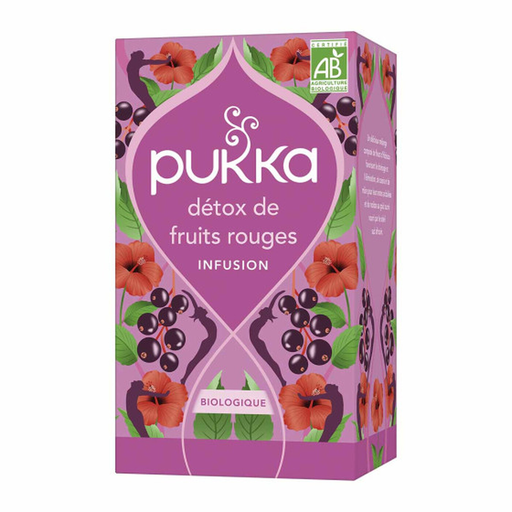 Image unavailable
Worth considering if you prefer a red berry flavour with your toast. The pack size is 34 g; check the ingredients and organic details on the packaging. ‘Detox’ is part of the product name and doesn’t establish a health effect.
 Image unavailable
An option to compare if you’re after verbena and mint rather than a fruity blend. The box contains 20 sachets; check the organic details and follow the brewing instructions on the packaging.
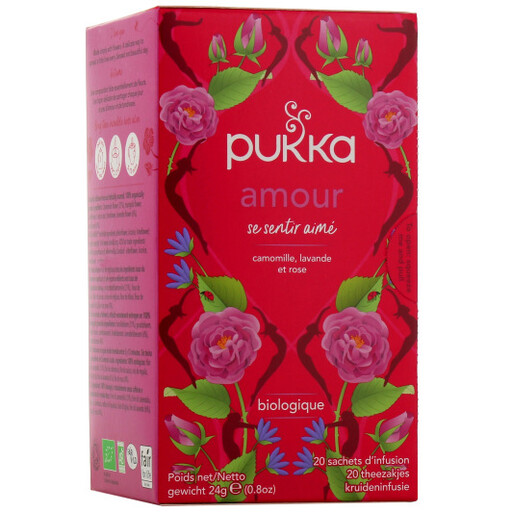 Image unavailable
Worth a look if you’d prefer a herbal tea to a fruity drink. This 24 g blend contains liquorice: bear Anses’ advice on high, repeated consumption in mind, and check the organic details on the packaging.
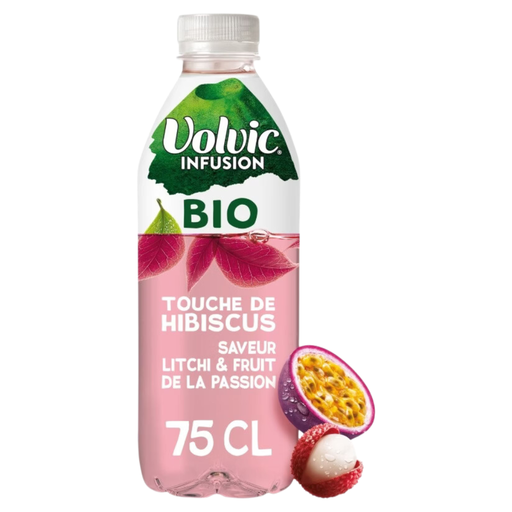 Image unavailable
Consider this if you’d prefer a ready-to-drink option to a hot tea bag infusion. This hibiscus and lychee drink comes in a 75 cl bottle; compare the ingredients and nutritional information, particularly the sugars, then check the organic details.
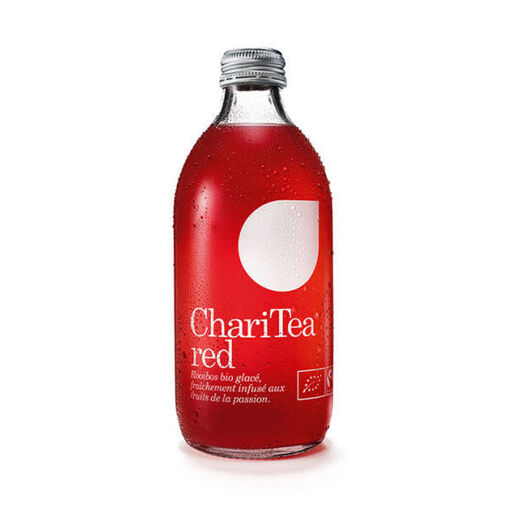 Image unavailable
The bottled format is handy if you’re after a ready-to-serve drink rather than an infusion to prepare. Compare this 33 cl product with tea bag infusions by looking at its ingredients and nutritional information; check the organic details on the packaging too.
Check the product description and look for the EU organic logo on the packaging. The DGCCRF states that, to use ‘organic’ in the description of a processed product, at least 95 % of its agricultural ingredients must be certified organic.
No : organic certification doesn’t prove a digestive effect or any other health benefit. When choosing a blend, look at its ingredients rather than assuming it has an effect because of words such as ‘digestion’, ‘liver’ or ‘detox’.
First, check the ingredients list for liquorice and consider your personal circumstances. Anses warns that high, repeated consumption of products containing liquorice can lead to hypokalaemia and high blood pressure. Particular caution is advised for children, pregnant or breastfeeding women, and people with cardiovascular, kidney or liver problems.