What should you look for?
When you’re having lunch away from home, start by distinguishing organic certification from the ingredients. Then check that the preparation method suits the water and equipment you’ll have available.
| Criteria |
What to check |
Who it matters to |
| Organic certification |
EU organic logo, control body code and agricultural origin details beside the logo. |
I want to be able to tell the difference between certification and packaging that simply suggests nature. Around 36% of shoppers are thought to put this check first. |
| Ingredients |
Ingredients and allergens; whether it contains tea, mate, guarana or liquorice. |
If I want to limit caffeine or be mindful of certain plants, I need to know the exact blend. This is thought to be a priority for around 29% of shoppers. |
| Preparing it while out |
Preparation instructions, access to hot water and a suitable cup or mug. |
I may not be able to make a hot drink during my break, so I need a product that suits what’s available. Around 21% of shoppers are thought to put ease of preparation first. |
| Pack size |
Net weight, number of tea bags or exact contents of the multipack, depending on the product. |
If I only want to take what I need, I want to know exactly what’s in the box or pack. This is thought to come first for around 14% of shoppers. |
Products for your lunch break
These products suit different occasions during a break: the herbal teas and green tea need hot water, while the hibiscus drink is ready to enjoy. Green tea isn’t a tea-free herbal infusion; for any product described as organic, check the certification on the packaging.
 Image unavailable
Pukka Organic Digestion Herbal Tea 40 g
A herbal tea to consider if you can make a hot drink during your break. The blend contains liquorice, so bear this in mind if you consume it regularly. Before choosing it for its organic certification, check the EU organic logo, control body code and agricultural origin details on the packaging.
View on Joybuy
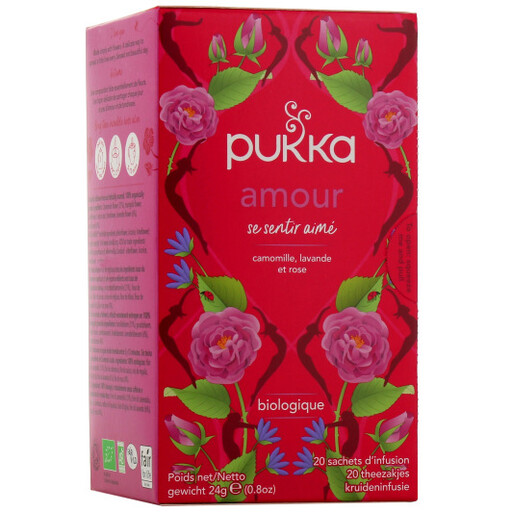 Image unavailable
Pukka Love Organic Infusion 24 g
A floral blend for a break when you have access to hot water. It also contains liquorice, so check the ingredients list if you want to limit your intake of this plant. Check the box for organic certification details.
View on Joybuy
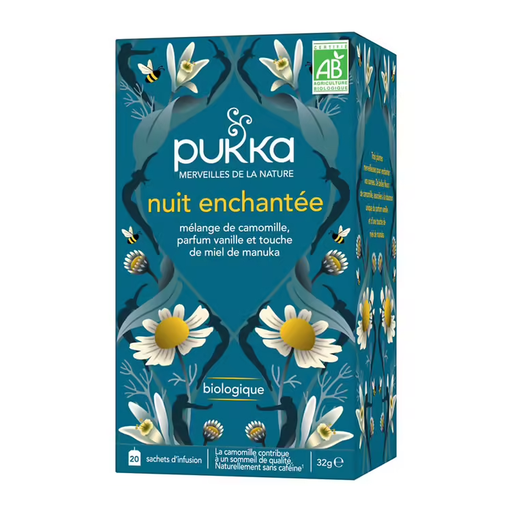 Image unavailable
Pukka Enchanted Night Organic Herbal Tea 32 g
Another herbal tea to make with hot water; check that this preparation method suits your break. It contains liquorice. Check the packaging for the net quantity stated in the product name, as well as the organic certification details.
View on Joybuy
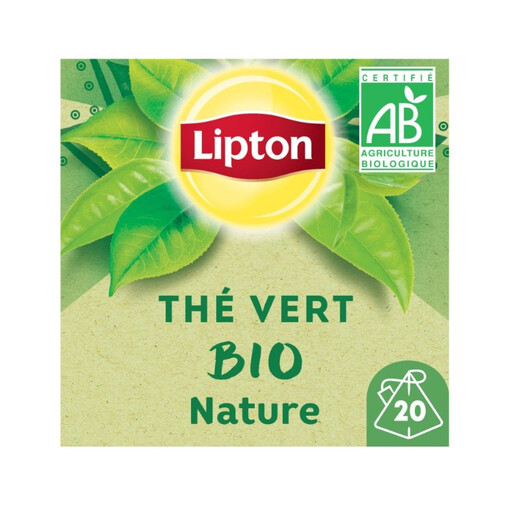 Image unavailable
Lipton Organic Green Tea Plain, 20 tea bags, 28 g
This green tea in tea bags is a good choice for a break when you have hot water, but not if you’re looking for a tea-free herbal infusion. Tea can contain caffeine, according to ANSES. Rainforest Alliance certification is no substitute for checking the organic certification on the packaging.
View on Joybuy
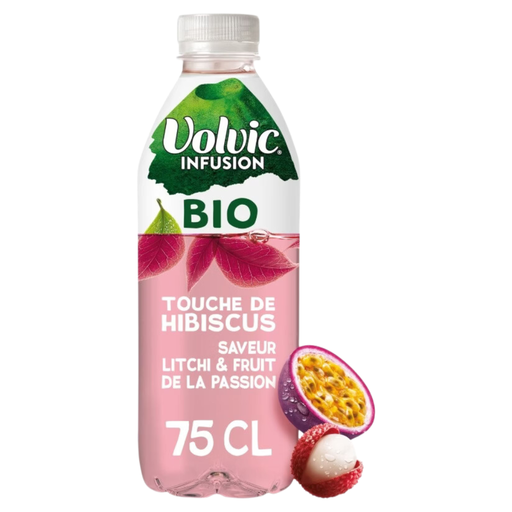 Image unavailable
VOLVIC Organic Hibiscus Lychee Infusion
This hibiscus infusion drink is ready to enjoy if you can’t make a hot herbal tea. Its ingredients include water, sugar, lemon juice and hibiscus infusion. Check whether the product is sold as a single bottle or a multipack, then check the organic label. Once opened, it should be kept in the fridge.
View on Joybuy
Frequently asked questions
How can you tell if a herbal tea is certified organic?
Look for the EU organic logo, then check the control body code and the origin of the agricultural raw materials displayed beside it. The European Commission says the logo is reserved for certified organic products; Agence Bio explains the origin details that accompany it.
Are herbal teas always caffeine-free?
No: the word ‘infusion’ alone doesn’t mean a drink is caffeine-free. If you want to limit caffeine, check the ingredients for tea, mate or guarana in particular. ANSES notes that caffeine occurs naturally in some plants.
Should you watch out for liquorice in herbal tea?
Yes, especially if you often consume products that contain it. ANSES links frequent, high consumption of liquorice to health risks, including high blood pressure. If you’re pregnant or breastfeeding, the product is for a child, or you have a medical condition or are taking medication, ask for appropriate advice.
How can you make herbal tea during a break outdoors?
Follow the instructions for the product you’ve chosen and make sure you have the water and cup or mug you need. For this specific product, the Auchan Bio Infusion détente product page recommends 200 ml of water just off the boil and a brewing time of 3 to 5 minutes. If you don’t have hot water, look for a product whose instructions specifically say it can be cold-brewed, or choose a ready-to-drink beverage.
Do claims such as ‘detox’ or ‘digestion’ prove a health benefit?
No: these words alone don’t prove an effect. The DGCCRF notes that health claims on foods are regulated. When choosing a herbal tea, check the blend and the information on its label.


