For a lunch break when working from home, choose an herbal tea with organic certification clearly shown on the product, then compare the ingredients and flavour rather than relying on claims such as ‘detox’ or ‘digestion’. If you want to avoid tea, maté or liquorice, check whether they’re included in the blend. The number of teabags and the brewing instructions also matter if you plan to enjoy it regularly.
Who are these criteria for?
People who pay close attention to organic certification
If the certification matters more to you than the name of the blend, look for the Euro-leaf, the control body code and the indication of agricultural origin on the product. The European Commission states that this information accompanies the EU organic logo.
People who often make herbal tea after lunch
For a regular break, flavour and teabag format can help you decide. Also read the full ingredients list before choosing a blend you plan to drink regularly.
People looking to avoid certain ingredients
If you don’t want tea, matcha or maté, or need to take care with liquorice for personal reasons, check the ingredients list for each product. The word ‘herbal tea’ alone won’t answer these questions.
Which criteria should you check first?
To choose an organic herbal tea for your lunch break when working from home, start with the factor that really determines your purchase, then check the specific product rather than relying on the reputation of its range.
| Criteria |
What to check |
Who is it for? |
| Organic certification |
Look for the Euro-leaf, the control code and the indication of agricultural origin on the packaging. According to the European Commission, this information accompanies the EU organic logo. |
If I want to confirm that a product is organic before choosing a flavour, the label and its accompanying information come first; around 31% of consumers prioritise this check. |
| Ingredients |
Read the list of plants, flavourings and extracts, paying particular attention to liquorice. Anses advises caution with excessive liquorice consumption and highlights possible interactions with certain medicines. |
For a drink I might make often, I prefer to know which plants the blend contains; ingredients are the top priority for around 31% of consumers. |
| Tea and maté |
If you want to avoid them, check the ingredients list: herbal tea ranges also include blends with green tea, matcha or maté. |
A break without tea or maté is what I’m looking for above all else, whatever the blend is called; nearly 23% of consumers put this preference first. |
| Format |
Compare the number of teabags, net weight and brewing instructions shown for each box. |
If I’m making a cuppa between tasks, I want packaging that’s easy to use and instructions that suit my break; format is the priority for around 15% of consumers. |
Common pitfalls to avoid
-
Assuming ‘organic’ means ‘grown in France’
Organic certification and the origin of the plants are two separate pieces of information. An herbal tea may be packed in France using ingredients grown elsewhere.
If origin matters to you, check the organic logo and the indication of agricultural origin separately.
-
Treating a ‘detox’ or ‘digestion’ claim as a promise of results
A marketing name doesn’t prove an effect on your health. The DGCCRF points out that nutrition and health claims are regulated.
Instead, compare the flavour you’re looking for and the ingredients. For health-related questions, seek suitable professional advice.
-
Assuming every herbal tea is tea-free
Some products sold among herbal teas contain green tea, matcha or maté, while others are described as caffeine-free.
If this distinction affects your purchase, check the product name and ingredients for the specific blend you’ve chosen.
-
Overlooking liquorice in a blend
Anses notes that excessive liquorice consumption can lead to high blood pressure, among other effects, and describes possible interactions with certain classes of medicines.
Check the label for this ingredient. If you have high blood pressure or take medication, ask a healthcare professional for advice before making it a regular drink.
Brands to compare
Carrefour Bio
Carrefour offers several organic herbal teas in teabags, including ginger, lemongrass and lemon, and orange leaf, verbena and hawthorn blends.
- The different blends let you compare plants and flavours to find what suits your taste.
- A claim such as ‘gentle digestion’ doesn’t mean you can skip reading the ingredients for the product you choose.
Auchan Bio
The Auchan Bio relaxation herbal tea listing describes a box of 20 teabags and provides a detailed ingredients list.
- The listing makes it possible to check, for example, the proportion of liquorice in the blend: 5%.
- For this product, ‘packed in France’ doesn’t mean that all the plants were grown in France.
Bio Village
E.Leclerc offers Bio Village herbal teas in teabags, including verbena and mint, thyme, and liquorice and mint blends.
- The listed blends and formats give you practical points of comparison.
- Check the ingredients for each box, especially if you want to avoid liquorice.
Twinings
Twinings offers a collection of herbal teas with a variety of blends and flavours.
- The range of blends can help you work out which flavours you prefer.
- If you’re looking for an organic product, check the certification for the specific item: being part of this collection isn’t enough.
Lipton
Lipton features in the herbal tea category with, among other options, a liquorice and mint blend and a drink designed for cold brewing.
- The product names help distinguish between different recipes and ways to prepare them.
- If you’re looking for an organic herbal tea, check the label on the specific product. Also check for liquorice if it’s relevant to your needs.
Herbal teas to explore on Joybuy
These herbal teas offer a few different ways to enjoy your lunch break: simple blends, fruity or spicy flavours, and teabag formats where specified. If you’re looking for an organic option, confirm the certification details on the packaging of the product you choose.
 Image unavailable
Pukka Organic Digestion Herbal Tea, 40 g
Worth considering if you’re looking for an herbal tea to finish lunch with. Choose the blend for its ingredients and flavour, rather than any claimed effect.
Listed net weight: 40 g. If you drink this blend often or want to avoid liquorice, check the ingredients and any cautions on the packaging. Also check the organic certification details and the number of teabags before comparing formats.
View on Joybuy
 Image unavailable
ELEPHANT Organic Verbena Mint Tea, 20 sachets
Consider this if you prefer a verbena and mint blend in teabags for a quick cup during your break.
The box is listed as containing 20 teabags. Check the brewing instructions on the pack, along with the organic certification details for this product.
View on Joybuy
 Image unavailable
Pukka Organic Gingers Herbal Tea, 36 g
This ginger blend is for anyone looking for a spicy flavour during their break, provided the ingredients suit them.
Listed net weight: 36 g. Check for liquorice if it’s relevant to your situation, as well as the brewing instructions, number of teabags and organic certification details on the packaging.
View on Joybuy
 Image unavailable
DAMMANN FRÉRES Chamomile Tea Bags, 21 sachets, 42 g
Worth considering if you’d like a chamomile herbal tea in teabags to enjoy after a meal.
The title lists 21 teabags and a net weight of 42 g. Check the pack for brewing instructions and the product’s organic certification details.
View on Joybuy
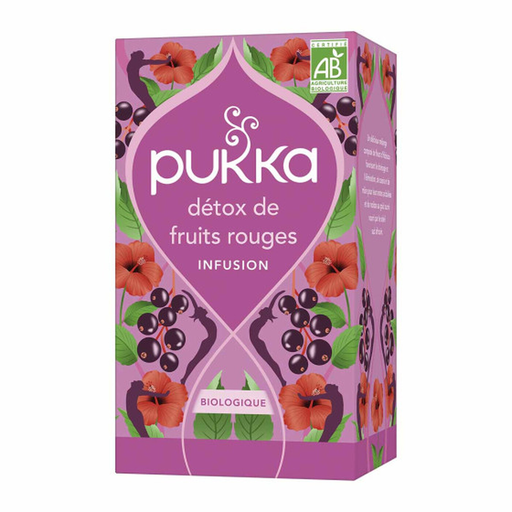 Image unavailable
Pukka Organic Red Fruits Detox Herbal Tea, 34 g
Consider this if you prefer a red berry herbal tea; ‘Detox’ in the name doesn’t guarantee any health effects.
Listed net weight: 34 g. Read the ingredients and check the organic certification details and number of teabags before choosing this format.
View on Joybuy
Frequently asked questions
How can you recognise pre-packed organic herbal tea?
For pre-packed herbal tea sold as organic in the EU, look for the Euro-leaf and the information that accompanies it. The European Commission says this includes the control body code and the place where the agricultural raw materials were grown. The AB logo may also appear on the pack.
Does organic herbal tea always contain plants grown in France?
No: ‘organic’ doesn’t mean ‘grown in France’. Check the agricultural origin separately. For example, the listing for an Auchan Bio herbal tea says it is packed in France and contains orange leaves from Paraguay, Morocco and/or South Africa.
Does a ‘detox’ or ‘digestion’ herbal tea guarantee health benefits?
No: these words don’t guarantee an effect for any individual. The DGCCRF points out that nutrition and health claims are regulated. When choosing your drink, check the ingredients rather than interpreting the name as a promise of therapeutic benefits.
What should you check if an herbal tea contains liquorice?
Check for it in the ingredients list and consider how often you plan to drink the blend. Anses highlights the risks of excessive liquorice consumption and possible interactions with certain medicines. If you have high blood pressure or take medication, ask a healthcare professional for advice.


