What should you check before buying?
Whether you’re choosing an herbal tea for breakfast or an evening cuppa, start by checking the ingredients and when you plan to drink it. Then look at the organic labelling and pack size, without confusing certification with a health claim.
| Criteria |
What to check |
Who is it for? |
| Organic certification |
For pre-packed herbal tea sold as organic, look for the EU organic logo and the accompanying information about inspection and origin. |
I want to identify a certified product rather than rely on the word ‘natural’. Certification would be the top priority for around 40% of shoppers. |
| Herbs and sensitivities |
Read the ingredients list and check for liquorice. Before consuming it regularly, seek advice if your health or medication makes this appropriate. |
If I drink the same herbal tea regularly, I want to know which herbs it contains and whether they’re suitable for me. Around 30% of shoppers would put this check first. |
| When you’ll drink it |
To avoid caffeine in the evening, check whether the blend contains tea, mate or matcha, and take your usual caffeine intake into account. |
I want to choose between an evening cuppa and a breakfast drink. Caffeine would be the deciding factor for around 20% of shoppers. |
| Pack size and shopping |
Compare the number of tea bags, net weight and the collection or delivery options available for the product you’ve chosen. |
I prefer a pack size that fits easily into my usual shop. This would be the top priority for around 10% of shoppers. |
Herbal teas and blends to explore on Joybuy
This selection includes herbal blends for anyone looking for a tea-free recipe, as well as a green tea and matcha blend for breakfast if caffeine suits you. For each product, check the packaging for organic certification details before relying on this as a deciding factor.
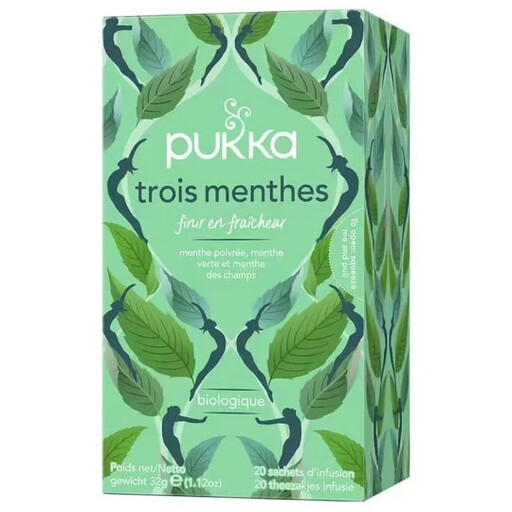 Image unavailable
Pukka Organic Herbal Tea with 3 Herbs, 36 g
Worth considering if you’re looking for an herbal blend to add to a tea-free routine. The box is listed as 36 g; check the packaging for the full ingredients list and organic certification details.
View on Joybuy
 Image unavailable
Elephant Organic Verbena and Mint Herbal Tea, 20 tea bags
The 20-tea-bag pack is worth comparing with your usual shop if you’re looking for a verbena and mint blend. If avoiding caffeine is important to you, check the packaging for an explicit statement; also check the organic certification details.
View on Joybuy
 Image unavailable
DAMMANN FRÉRES Chamomile Herbal Tea, 21 tea bags, 42 g
A chamomile blend to consider if you prefer herbal tea to a tea-based blend. The pack contains 21 tea bags and weighs 42 g; check the organic labelling on the box.
View on Joybuy
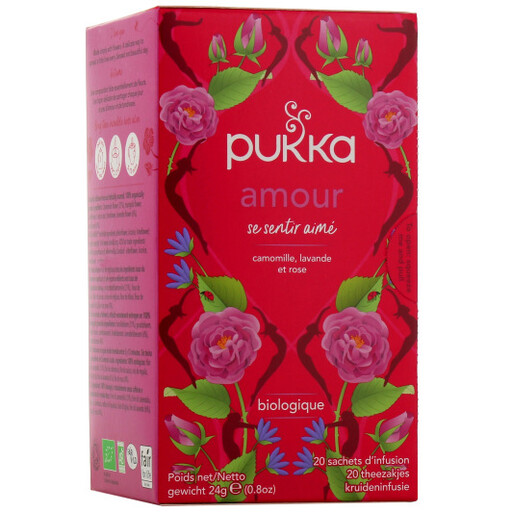 Image unavailable
Pukka Organic Love Infusion, 24 g
This 24 g herbal blend may appeal if you’re looking for a tea-free mix, but it contains liquorice. Before drinking it regularly, bear in mind the precautions associated with this herb and check the organic details on the packaging.
View on Joybuy
 Image unavailable
Pukka Mint Matcha Green Tea, 20 tea bags
Worth considering for breakfast if you’re after a green tea and matcha blend and are happy to have caffeine. The box contains 20 tea bags; this blend isn’t suitable if you’re looking for a caffeine-free drink. Check its organic labelling too.
View on Joybuy
Frequently asked questions
How can you identify certified organic herbal tea?
For pre-packed herbal tea sold as organic in the European Union, look for the EU organic logo and the accompanying information about inspection and origin. The European Commission states that the logo can only be used for products certified by an authorised control body; ‘natural’ does not mean the same thing.
Is organic herbal tea always caffeine-free?
No: organic certification doesn’t tell you whether a product contains caffeine. A blend containing tea, mate or matcha may contain caffeine; if you want to avoid it, read the ingredients of the product you choose, especially if you’ll be drinking it in the evening. Anses highlights the potential effects of caffeine on sleep.
What should you do before drinking liquorice herbal tea regularly?
First, check whether the blend contains liquorice and take into account any other liquorice products you consume. Anses links high, repeated consumption with health risks, including high blood pressure. If you have high blood pressure, cardiovascular, kidney or liver disease, or take medication, seek advice from a healthcare professional.
What information should you check on the box?
Start with the ingredients list, highlighted allergens, net quantity and the date shown on the product; the DGCCRF lists these among the details required on food labels. Then check the number of tea bags and, if you’re looking for organic tea, the information accompanying the certification logo.
Do ‘detox’, ‘digestion’ or ‘sleep’ claims guarantee an effect?
No, the name of a blend doesn’t guarantee a health benefit. When choosing herbal tea, consider its ingredients, any precautions relevant to your circumstances and its organic labelling if certification matters to you.


