People looking for organic certification
If organic status is important to you, look for the EU organic logo on the box and check the ingredients for the specific product. The same retailer may sell both organic and non-organic herbal teas.


For an afternoon break, choose an herbal tea whose organic status is clearly shown on the packaging, then check the ingredients separately if you want to avoid caffeine. The word ‘organic’ does not mean caffeine-free; if you drink it regularly, it’s also worth checking whether it contains liquorice.
If organic status is important to you, look for the EU organic logo on the box and check the ingredients for the specific product. The same retailer may sell both organic and non-organic herbal teas.
If you want to avoid caffeine, look for a clear statement on the product and check the ingredients. Something sold as an herbal tea may still contain tea or matcha.
If you often make the same blend, check whether it contains liquorice. Anses warns against high, repeated consumption, partly because of the risk of high blood pressure.
When choosing a drink for your break, first check whether the specific product is certified organic, then look at the ingredients depending on whether you want to avoid caffeine. Pack size matters more if you plan to make the same herbal tea regularly.
| What to consider | What to check | Who it’s for |
|---|---|---|
| Organic certification | Look for the EU organic logo and check the product name and ingredients on the box you choose. | I want to tell the difference between certified organic herbal tea and a blend simply described as natural. Around 42% of consumers are said to put this check at the top of their list. |
| Caffeine | Look for a clear ‘caffeine-free’ statement and read the ingredients list, checking in particular for tea, matcha or yerba mate. | As an alternative to my afternoon coffee, I want a drink whose ingredients meet my preference to avoid caffeine; this is said to be the top priority for around 33% of consumers. |
| Pack size and regular use | Compare the number of tea bags, net weight and brewing instructions, without overlooking the ingredients. | If I make herbal tea several afternoons a week, I want a pack size and blend that suit this habit. Around 25% of consumers are said to choose first according to how regularly they’ll use it. |
Organic certification alone doesn’t tell you how much caffeine a product contains. Some products sold in the herbal tea aisle also contain green tea or matcha.
If you want to avoid caffeine during your break, look for a clear statement on the specific product and read its ingredients list.
Some organic herbal teas contain liquorice. Anses says that consuming high amounts of liquorice-containing products repeatedly can lead to high blood pressure and low blood potassium.
Check the ingredients for liquorice. If you plan to drink it regularly, particularly during pregnancy or while breastfeeding, or if you have a health condition or take medication, ask a healthcare professional for advice.
The number of tea bags and net weight can vary between products, so two boxes won’t necessarily contain the same amount of herbal tea.
Compare these details and the brewing instructions before choosing a pack size for your regular breaks.
Carrefour France offers several Carrefour Bio herbal teas in tea bags, including verbena and ginger and lemongrass blends.
E.Leclerc offers Bio Village herbal teas in boxes of 20 tea bags, including verbena and mint, and thyme blends.
Auchan’s ‘relaxing herbal tea’ carries the Euro-leaf and AB logos. The box contains 20 tea bags, with a net weight of 30 g.
Auchan’s organic lemon and ginger blend is labelled naturally caffeine-free and comes in a box of 20 tea bags, weighing 50 g.
Twinings France offers a range of fruit and herbal teas. Check the ingredients to find a blend that suits your break.
This selection includes herbal teas for your break, as well as a green tea for anyone who prefers a tea-based drink. Check the organic labelling for each product. If you avoid caffeine, also check the ingredients and any information on the box.
 Image unavailable
A verbena and mint blend to consider if you fancy an herbal tea for your break.
Check the organic logo on the box. If you want to avoid caffeine, also check the information and ingredients for this product.
 Image unavailable
A ginger herbal tea to consider if you prefer this kind of blend for your break.
The blend contains liquorice, so check the ingredients if you plan to drink it often. Also check the organic status on the packaging.
 Image unavailable
Check the ingredients of this herbal tea rather than making assumptions based on the promise suggested by its name.
It contains liquorice. To compare its pack size with other boxes, check the number of tea bags on the packaging and confirm its organic status.
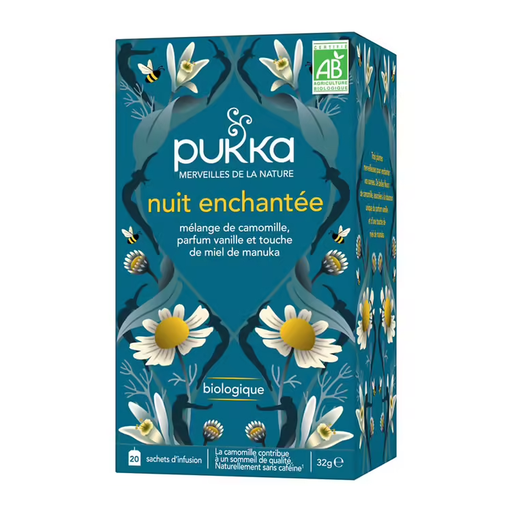 Image unavailable
This herbal tea could suit you if you like the blend, but don’t assume it has any particular effect based on its name.
The blend contains liquorice. Check the organic status and any caffeine information on the box if these are important to your choice.
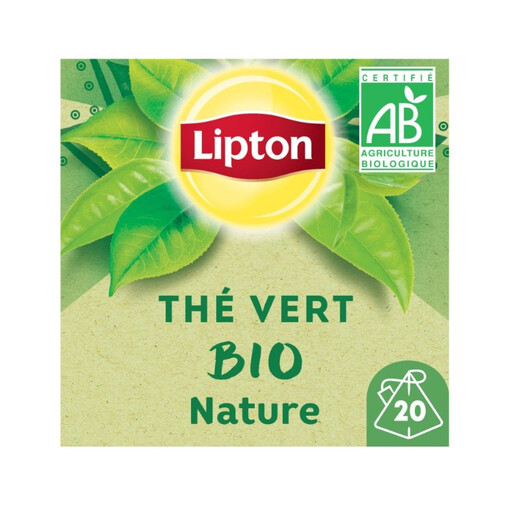 Image unavailable
This green tea is an option if you want a tea-based drink for your break, rather than an herbal tea chosen to avoid caffeine.
If avoiding caffeine is essential, check this before you buy. Also confirm the organic status shown on the box.
Look for the EU organic logo on the product you choose and read the labelling. The French Ministry of the Economy explains that food sold as organic must meet EU organic farming requirements; simply referring to nature in a blend’s name isn’t enough.
No. Organic status doesn’t guarantee that a product is caffeine-free. For a caffeine-free break, look for a clear statement on the box and check whether the blend contains tea, matcha or yerba mate.
Follow the brewing time given for the product you’re making. For example, Auchan’s Auchan Bio relaxing herbal tea recommends brewing for 3 to 5 minutes in 200 ml of simmering water. This instruction doesn’t apply to every blend.
Not necessarily, but how often you drink them matters. Anses warns against consuming high amounts of liquorice repeatedly. If you’re pregnant or breastfeeding, have a health condition or take medication, ask a healthcare professional for advice before drinking it regularly.