When shopping with diabetes in mind, check an herbal tea’s organic certification, ingredients and nutritional information separately: a ‘wellness’ label alone tells you none of these things. With loose or bagged dried herbs prepared in water, you can check the blend’s ingredients directly. For a ready-to-drink beverage, check the sugars too, even if it says ‘no added sugars’. If you want to avoid caffeine or liquorice, check each blend rather than relying on the name of the aisle.
Who will find these checks useful?
Shoppers who pay attention to organic certification
If you’re looking for an organic product, check for the Euro-leaf logo on the packaging rather than relying on words such as ‘natural’ or ‘wellness’. According to Agence Bio, the logo certifies that the product meets European organic production rules.
People looking for a drink with no added sugar
If you’re planning your shopping with sugar content in mind, distinguish dried herbs for infusions from ready-to-drink beverages. As a drink featured by Carrefour illustrates, ‘no added sugars’ can still mean there are naturally occurring sugars from fruit juice.
People keeping an eye on caffeine or liquorice
If you want to avoid caffeine, look for an explicit statement on the product you choose. Check for liquorice too: Anses advises caution with high, repeated consumption, particularly because of potential health risks and interactions with certain medicines.
What should you check before buying?
When choosing an herbal tea for diabetes-conscious shopping, start with the drink you actually plan to make or have. Then check its ingredients, organic label and, where relevant, nutritional information.
| What to check |
What to look for |
Who is this for? |
| Organic certification |
Look for the Euro-leaf logo on the label, then read the ingredients list. According to Agence Bio, the logo certifies that the product meets European organic production rules. |
I want to distinguish certified organic products from those simply described as ‘natural’ before choosing my herbs. Around 36% of consumers put this check first. |
| Sugars in the drink |
For a ready-to-drink beverage, compare the ‘sugars’ figure per 100 ml and look for juice in the ingredients. ‘No added sugars’ does not mean ‘sugar-free’. |
If I choose a bottle rather than tea bags to brew, I want to know what’s in the drink I’m serving. Around 29% of consumers put checking sugars first. |
| Caffeine |
Look for a ‘caffeine-free’ statement if this matters to you, and check whether the blend contains green tea, maté or matcha. |
For an evening drink, I don’t want to assume that the word ‘infusion’ rules out stimulating ingredients. Around 21% of consumers prioritise avoiding caffeine. |
| Liquorice |
Look for liquorice in the ingredients and read any warnings, especially if you’re considering drinking it regularly or take medicines. |
I’d rather check for liquorice before buying a blend described as ‘digestive’. Around 14% of consumers put this precaution first. |
Which common misconceptions should you avoid?
-
Assuming ‘organic’ tells you about nutritional content
Organic certification relates to agricultural production rules. On its own, it tells you nothing about the drink’s sugar content or whether it’s suitable for a particular medical condition.
Check the organic logo, then read the ingredients and nutritional information separately, per 100 g or 100 ml, depending on the product.
-
Confusing ‘no added sugars’ with ‘sugar-free’
A ready-to-drink infused beverage may contain fruit juice and its naturally occurring sugars, even if no sugar has been added.
Read the ingredients and the ‘sugars’ figure per 100 ml, then take into account how much you’ll serve.
-
Choosing a ‘detox’ blend without checking the herbs
Some blends contain liquorice. According to Anses, high, repeated consumption can lead to high blood pressure and hypokalaemia. Interactions with certain medicines are also possible.
Check the packaging for liquorice and any warnings. If you have a health condition or are taking medication, ask a healthcare professional for advice before using it regularly.
-
Assuming a product listed online is available near you
The selection at a shop or collection service may vary depending on the location you choose.
Check the product at your chosen shop or for your delivery slot before adding it to your shopping list. Keep your label checks in mind so you can compare another option.
Brands to consider
Carrefour Bio
Carrefour’s organic range includes verbena herbal teas and ginger, lemongrass and lemon blends.
- A range of herbal blends gives you options to suit the ingredients you’re looking for.
- Check the ingredients of the specific product and whether it’s available at your chosen shop.
Auchan Bio
Auchan’s wellness range includes an Auchan Bio verbena and peppermint herbal tea.
- The product name helps you identify a blend of herbs to check on the label.
- Other blends in the range may contain liquorice, so check each one.
Bio Village
E.Leclerc lists a Bio Village organic verbena and peppermint herbal tea in a pack of 20 bags, made with 50% verbena and 50% peppermint.
- With just two herbs listed, it’s easy to check whether the blend suits your taste.
- Check availability with your chosen shop or Drive service.
Kusmi Tea
Kusmi Tea organic green teas are among the products listed in the Auchan range reviewed.
- Worth considering if you’re specifically looking for green tea rather than a herbal infusion.
- Don’t assume another product from the brand is caffeine-free or certified organic: check its packaging.
Lipton
The Lipton products listed include a lime and mint cold-brew drink and a liquorice and mint infusion.
- The format and stated ingredients help you distinguish a cold drink from an infusion you prepare yourself.
- Check whether the product you’re considering is certified organic and whether it contains liquorice.
Herbal teas and tea to consider on Joybuy
These products include dried herbal teas to prepare in water and green tea bags. When shopping with diabetes in mind, check the organic label, ingredients and any nutritional information relevant to the drink you prepare. Two Pukka blends also warrant particular attention for liquorice.
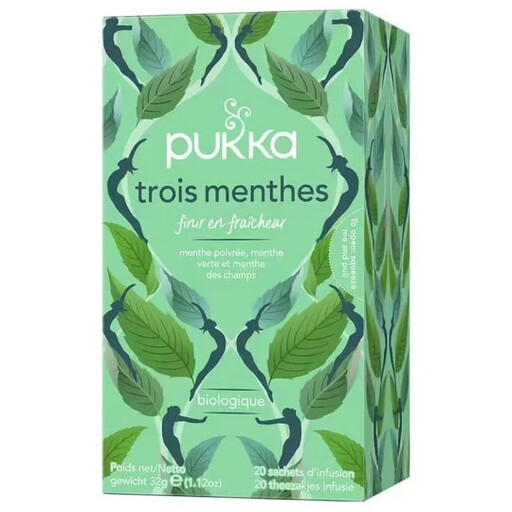 Image unavailable
Pukka Organic Herbal Tea with 3 Herbs, 36 g
Worth considering if you want to make a herbal infusion at home. The stated pack size is 36 g. Check the pack for organic certification and ingredients, and follow the brewing instructions.
View on Joybuy
 Image unavailable
ELEPHANT infusion bio verveine-menthe, 20 sachets
Worth considering if you’re looking for a verbena and mint infusion to make at home. The box contains 20 tea bags. Check the organic label and follow the brewing instructions on the pack.
View on Joybuy
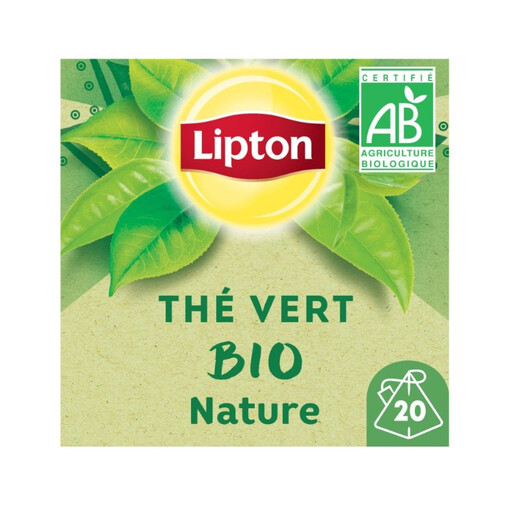 Image unavailable
Lipton Organic Green Tea Plain, 20 sachets, 28 g
Worth considering if you want green tea rather than a herbal infusion. The box contains 20 tea bags, weighing 28 g. If avoiding caffeine matters to you, don’t assume it’s caffeine-free based on how it’s prepared; check the packaging.
View on Joybuy
 Image unavailable
Pukka Organic Gingers Herbal Tea, 36 g
Worth considering if you’re looking for a dried herbal infusion with ginger notes. The stated pack size is 36 g. The blend contains liquorice, so read the warnings and, if your health or medication makes it relevant, ask for advice before using it regularly.
View on Joybuy
 Image unavailable
Pukka Organic Digestion Herbal Tea, 40 g
Worth considering as a herbal infusion to prepare at home, but don’t assume it has a digestive effect based on the product name. The stated pack size is 40 g. The blend contains liquorice, so check the warnings before drinking it regularly.
View on Joybuy
Frequently asked questions
How can you identify organic herbal tea in France?
Look for the Euro-leaf logo on the packaging. According to Agence Bio, it certifies that the product complies with the European regulation on organic farming. Terms such as ‘natural’ and ‘wellness’ are no substitute for this check.
Does ‘no added sugars’ mean ‘sugar-free’?
No. An infused drink may contain naturally occurring sugars from fruit juice. Carrefour makes this clear for an organic hibiscus and blackcurrant drink described as having ‘no added sugars’. Check the ingredients and the ‘sugars’ figure per 100 ml.
Does organic herbal tea have a proven effect on diabetes?
No. Organic certification does not demonstrate an effect on diabetes, and herbal tea is not a substitute for treatment. Use the label to help you choose a drink. Assurance Maladie reminds people that a diet for diabetes should be tailored to the individual.
Should you avoid all herbal teas containing liquorice?
Not necessarily, but frequent use deserves particular care. According to Anses, high, repeated consumption of liquorice can lead to high blood pressure and hypokalaemia. If you have a health condition or take medicines, read the warnings and ask a healthcare professional for advice.


