Shoppers who want to check organic certification
You’d rather check the certification details on each box than rely on the name of a plant or the brand’s image. The European Commission sets out the information that accompanies the EU organic logo.


To stock your cupboard, first choose infusions with organic certification that you can verify on the packaging. Then compare the ingredients, pack sizes and flavours you’ll want to drink regularly. A blend marketed for “sleep” or “digestion” may suit your tastes, but its name doesn’t prove it has a health benefit. If you’re looking for herbs only, also check that the blend contains neither tea nor maté.
You’d rather check the certification details on each box than rely on the name of a plant or the brand’s image. The European Commission sets out the information that accompanies the EU organic logo.
You want to keep a few familiar flavours close at hand, then add some fruity or spiced blends without filling your cupboards with boxes you’ll rarely drink.
You read the ingredients to choose your herbs and flavourings, or to tell a herbal infusion apart from a blend that also contains tea or maté.
When stocking up, check the certification for each product, then choose ingredients and pack sizes that suit your habits. A blend’s name alone doesn’t confirm that it’s organic, tell you everything it contains or prove it has a health benefit.
| Criteria | What to check | Who is it for? |
|---|---|---|
| Organic certification | Look for the EU organic logo, the code of the control body and the stated origin of the agricultural raw materials nearby. According to the European Commission, use of the logo requires at least 95% organic ingredients, among other conditions. | If I’m setting aside cupboard space for organic products, I want to be able to check each box rather than judge by its appearance. Around 36% of shoppers put this check at the top of their list. |
| Ingredients | Read the ingredients list and check any allergens highlighted. If you don’t want tea or maté, check whether they’re included in each blend. | When choosing an infusion I’ll drink often, I want to know which herbs and flavourings it contains and avoid anything that doesn’t suit me. Around 29% of shoppers prioritise the ingredients. |
| Stock and flavours | Compare the number of tea bags, net weight and flavours available before buying several boxes. | I’d rather keep a few familiar blends and add just a small amount of new flavours, so nothing gets left untouched. Around 21% of shoppers say that building a suitable stock is their main priority. |
| Wellbeing claims | Don’t assume that claims such as “detox”, “sleep” or “digestion” mean a product has a health benefit. Choose based on the ingredients first. | When a box highlights a benefit, I want to know what the blend actually contains rather than take its name as proof that it works. Around 14% of shoppers put this caution ahead of other criteria. |
A plant name or nature-inspired packaging is no substitute for certification. The EU organic logo is subject to conditions set by the European Commission.
If organic certification is important to you, check the logo, the control body’s code and the stated origin shown nearby on the box.
Some blends shelved with herbal infusions also list black tea, matcha or maté. The aisle a product is in doesn’t tell you everything that’s in the box.
If you’re looking for a herbal infusion with no tea or maté, check the product name and ingredients list for the one you choose.
A product name doesn’t prove it will benefit you personally. The DGCCRF notes that nutrition and health claims used for foods are regulated.
Choose a themed blend for its ingredients and taste, not as a treatment. If you have a persistent health concern, ask a health professional for advice.
A large box is only useful for stocking your cupboard if you’ll actually drink that blend. A range of flavours won’t make up for tea bags you leave untouched.
Check the number of tea bags and the net weight, then start with a few blends you know before broadening your selection.
Opening several boxes can also make them harder to store and make it more difficult to keep track of the dates shown on the packaging.
Carrefour France’s range includes organic verbena and ginger infusions, lemongrass and lemon blends, as well as products with themed names.
Auchan France’s range includes simple and themed organic infusions, including verbena and peppermint.
The Auchan and Carrefour ranges reviewed include Clipper blends specifically labelled as organic, including a lemon and ginger blend.
Auchan France’s range includes organic spiced blends, as well as products that also list black tea or matcha.
E.Leclerc DRIVE presents Bio Village as its own brand of organic products. If you shop with this retailer, check which herbal infusions your local store offers.
This selection includes several types of infusions, from herbal blends to green tea. If you’re looking exclusively for organic herbal infusions, remember that green tea is different from the other blends, and check the organic details on the packaging of the product you choose.
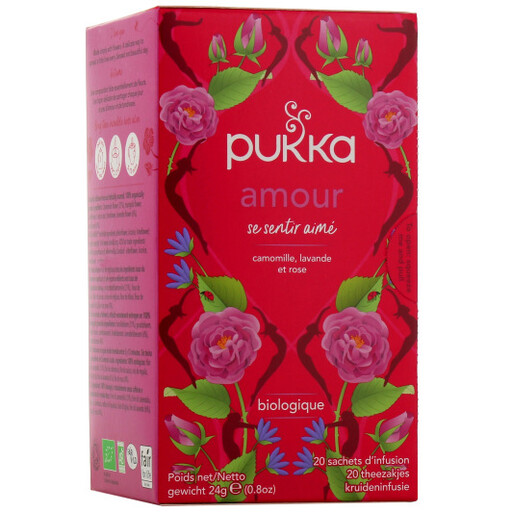 Image unavailable
A good option to consider if you’d like to add a floral flavour to your selection.
Stated weight: 24 g. Check the ingredients if you want to avoid liquorice, and look for organic certification details on the box.
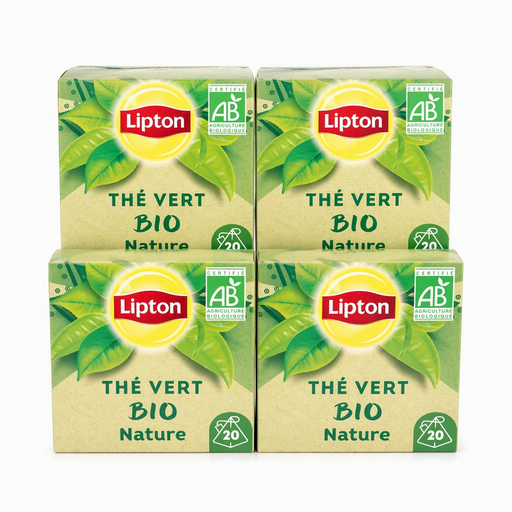 Image unavailable
This pack is suitable if you want to stock up on green tea, but not if you’re looking for herbal infusions without tea.
The product name indicates four boxes of 20 tea bags, each weighing 28 g. Check the organic certification details on the packaging.
 Image unavailable
This blend combines verbena and mint, making it a good choice if you like to know which herbs are at the heart of your infusion.
Stated pack size: 20 tea bags. Follow the steeping time shown on the box and check its organic certification details.
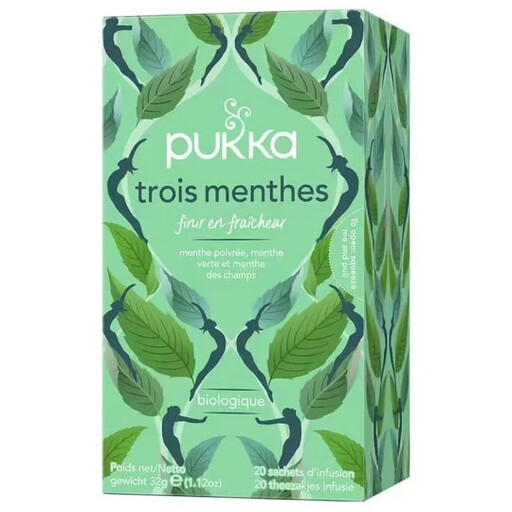 Image unavailable
This mint blend could add a distinctive herbal flavour to your selection, alongside floral or spiced blends.
Stated weight: 36 g. Check the number of tea bags if you’re planning your stock by portion, and look for organic details on the packaging.
 Image unavailable
You might like this aniseed and fennel blend for its flavour; its name doesn’t guarantee that it will aid digestion.
Stated weight: 40 g. Check the number of tea bags, whether the blend contains liquorice and the organic certification details on the box.
Check the certification details on the packaging rather than relying on the blend’s name. According to the European Commission, the EU organic logo is reserved for products that meet certification requirements, including a minimum of 95% organic ingredients. The control body’s code and the origin of the agricultural raw materials are shown nearby.
No. The EU organic logo doesn’t mean that every ingredient is a herb or that the blend is made from 100% organic ingredients. The European Commission sets a threshold of at least 95% organic ingredients for use of the logo. Read the ingredients if you also want to avoid certain flavourings, liquorice or tea.
No. A blend’s name doesn’t guarantee an effect for you personally. The DGCCRF notes that nutrition and health claims on foods are regulated. Check the ingredients when choosing a box, and don’t treat it as a medicine.
Check the ingredients, highlighted allergens, quantity and storage instructions before choosing what to stock up on. The European Commission states that the mandatory information for prepacked foods must also be provided when they’re sold online. Check the organic details for the product you’ll receive, too.
Start with flavours you know, then add a few different blends, taking the number of tea bags and net weight into account. Follow the storage instructions and date shown on each box.