
Livraison le jour même ou le lendemain

Qualité garantie

Débloquez vos offres de bienvenue: Livraison GRATUITE | Jusqu'à -80 % | 30 jours d'essai gratuits à JoyPlus
Téléchargez l'application
Shopping for organic groceries online is convenient and starts with a good intention: to consume healthier, more environmentally friendly products. But faced with a jungle of offers and marketing claims, making the right choice can quickly become a headache. Between deceptively "healthy" products and confusing labels, it's hard to know where to turn. Here is our guide to avoiding the traps and filling your cart intelligently.
Going organic is an excellent step. However, you need to know how to read between the lines to avoid disappointment.
To fill your cart with peace of mind, carefully review these key points. They will give you a clear picture of what you're putting on your plate.
The first and most important habit: don't just trust the front of the package—turn it over!
Shopping for organic groceries is also an opportunity to prioritise foods with real nutritional value.
To put theory into practice, here are a few products from our catalogue that check all the boxes for different needs.
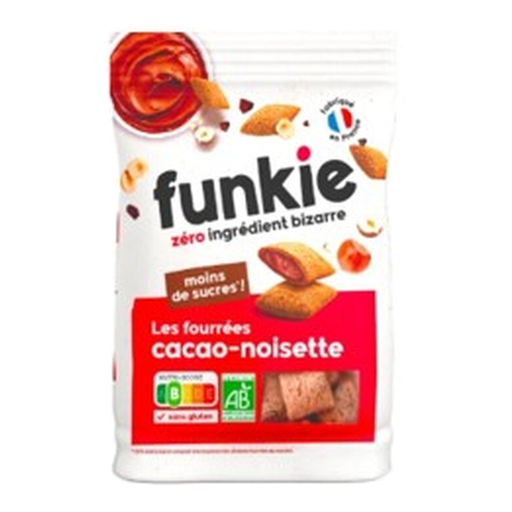
Who is it for? Ideal for those looking for a quick and delicious breakfast or snack solution. Its filled format is ultra-practical and a crowd-pleaser for all ages.
The composition is crystal clear: whole grains with a generous hazelnut and cocoa filling. It's a far cry from opaque recipes and excessively long ingredient lists.
The combination of whole grains (rice, corn) and a filling rich in hazelnuts (12.4%) makes it a genuinely satisfying and flavourful snack.
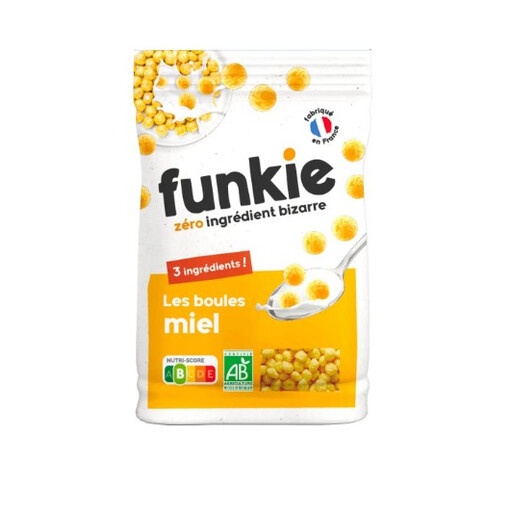
Who is it for? For anyone who needs or wants to avoid gluten without giving up a delicious organic breakfast. A simple, corn-based recipe that's perfect for those with intolerances.
There's no room for confusion here: the product carries both the organic label AND the "gluten-free" certification. This guarantees no unpleasant surprises for those affected.
A minimalist ingredient list (corn 87%, cane sugar, honey 5.2%) with no major allergens. It's a safe and simple choice for a controlled diet.
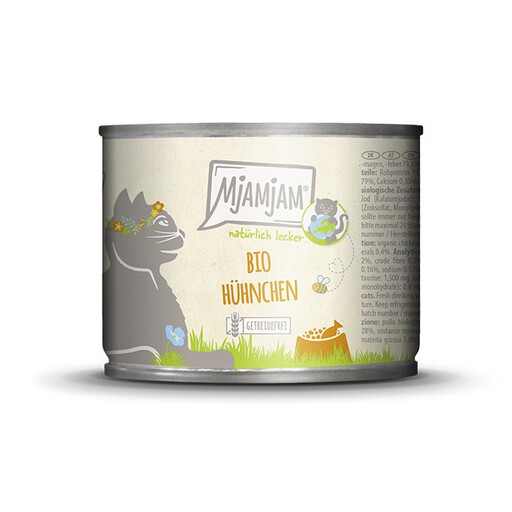
Who is it for? For owners who want the best for their cat, right down to what's in their bowl. A healthy, organic diet with a transparent composition is also possible for our four-legged companions.
No more opaque pet food ingredients! The composition details the quality cuts (71.6% chicken meat, heart, stomach, liver), which is light-years away from the vague term "animal by-products."
A very high content of certified organic chicken, providing a protein-rich meal (11.2%) perfectly suited to the nutritional needs of a carnivore like the cat.
Grains are a cornerstone of a healthy and varied diet. Discover our complete selection of products that strictly adhere to our selection criteria and current regulations.
A reliable e-commerce site must be transparent about expiration dates or guaranteed shelf life. A good habit is to check customer reviews on packaging quality and delivery speed. Finally, the product page must specify storage conditions ("store in a cool, dry place," "refrigerate after opening," etc.).
Absolutely not; the two are completely unrelated. The "organic" label certifies a method of agricultural production (without synthetic pesticides or chemical fertilisers). Gluten, on the other hand, is a protein naturally found in cereals like wheat, spelt, or barley, whether they are organic or not. To find gluten-free organic products, you must look for the "gluten-free" statement or logo on the package.
Not necessarily. While many players in the organic space opt for recyclable, recycled, or compostable packaging out of environmental consciousness, it is by no means a requirement of the label. For a purchase that is 100% consistent with your values, check the brand's commitments or the retailer's policy on this specific point.