For a busy morning, with organic certification as a priority
You want to make a cup without measuring loose leaves. Look for tea bags, then check the organic certification on the packaging and the ingredient list for the product you choose.


For a simple morning cup of organic green tea, start with a plain tea-bag option and check its label and ingredient list. Loose-leaf tea is a good choice if you want to measure the leaves yourself and use a filter; a flavoured blend suits a different taste preference, as long as you read the full ingredients list. Also take your sensitivity to caffeine into account.
You want to make a cup without measuring loose leaves. Look for tea bags, then check the organic certification on the packaging and the ingredient list for the product you choose.
You prefer a blend with no added flavourings. Compare the ingredients, stated origin and format: the plain options mentioned here are available in tea bags and loose-leaf form.
If you also drink coffee, factor both drinks into your caffeine intake. Anses points out that tea naturally contains caffeine and that people’s sensitivity to its effects varies.
When choosing organic green tea for breakfast, check the certification and ingredients of the specific product first. Then choose a format to suit how much time you have in the morning.
| Criteria | What to check | Who is it for? |
|---|---|---|
| Organic certification | Look for the Euro-leaf on the packaging and check the product description. Agence Bio explains that this logo indicates compliance with European Union rules on organic farming. | If buying organic is my top priority for my morning cup, the words “green tea” aren’t enough. Around 36% of consumers make this their priority. |
| Plain blend | Read the ingredients list and, for a blend, check the stated proportion of green tea. | I prefer a cup without mint, fruit or added flavourings, although other consumers enjoy these flavours. A plain blend is the main priority for around 29% of consumers. |
| Morning preparation | Choose between tea bags and loose-leaf tea depending on the equipment you want to use; also read the product’s own brewing instructions. | When I’m short on time, I want to make a cup without a filter or measuring loose leaves. This convenience is the main requirement for around 21% of consumers. |
| Caffeine | Take your other caffeinated drinks and your personal sensitivity into account. Anses points out that tea naturally contains caffeine. | If I’m sensitive to caffeine, I want to include morning tea in my routine without overlooking what I drink later. Around 14% of consumers make this a priority. |
A blend described as plain isn’t necessarily made from organically farmed ingredients.
If you want to buy organic, check the Euro-leaf and the product description on the packaging. Agence Bio explains what this European logo means.
The ingredients lists for some Twinings flavoured green teas also include mint or flavourings.
If you’re looking for green tea only, compare the ingredients list and the stated proportion of tea.
The brewing times and temperatures differ between the Lipton and Twinings products mentioned in their respective product details.
Start with the instructions on the pack you’ve bought, then adjust the brewing time to suit your taste.
Anses states that tea naturally contains caffeine and that its effects, particularly on sleep, vary from person to person.
If you’re sensitive to caffeine, take all your sources of caffeine throughout the day into account.
A plain organic green tea in tea bags, for a brew that doesn’t require measuring loose leaves.
Plain and flavoured green teas, which you can distinguish by checking their ingredients.
Plain and flavoured organic options, depending on the blend you’re looking for.
An organic Sencha in tea bags for anyone looking for plain green tea.
An organic green tea in tea bags for your regular grocery shop.
A plain organic green tea in tea bags, with a short ingredients list.
This selection includes tea-bag green teas, matcha powder and a green tea with matcha. Check the preparation method and organic labelling for each product before choosing your morning cup.
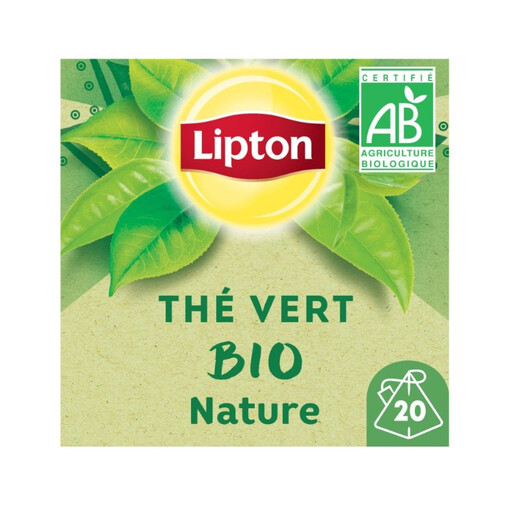 Image unavailable
For a plain green tea in a tea bag on busy mornings.
Joybuy’s product details state that it contains 100% organic green tea from China. Check for the organic mark on the packaging you choose.
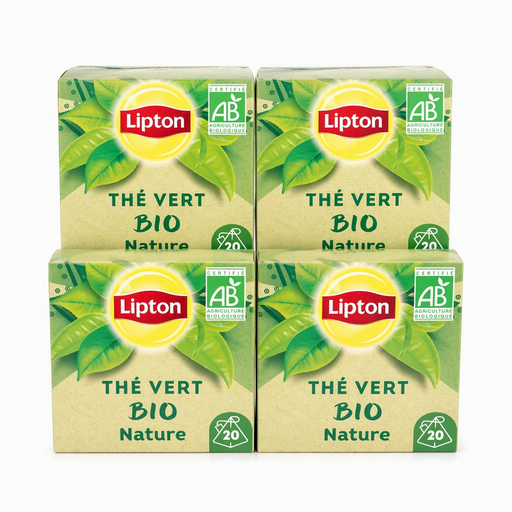 Image unavailable
For keeping several boxes of plain green tea bags to hand.
Brewing instructions may differ from those for another Lipton product: follow the instructions for this pack and check its organic labelling.
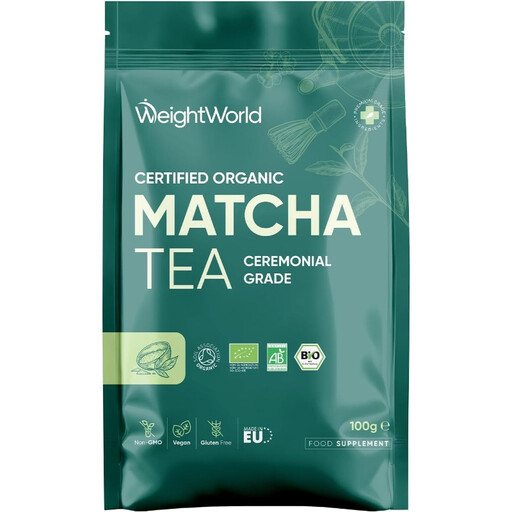 Image unavailable
For making matcha with powder instead of infusing tea leaves in a bag.
You’ll need to measure and whisk the powder; check for the organic mark on the packaging.
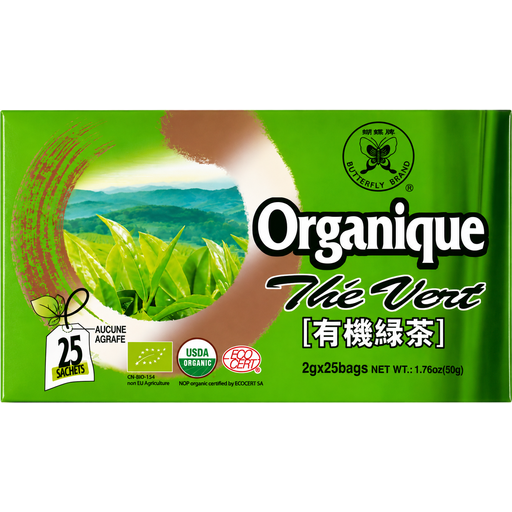 Image unavailable
For making a cup with a tea bag, without measuring loose leaves.
Before choosing this organic product, check the certification mark and brewing instructions on the pack.
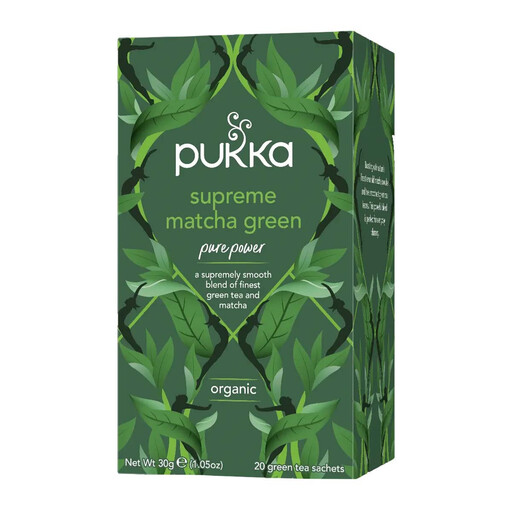 Image unavailable
For a cup of green tea with matcha, if that blend appeals to you in the morning.
Check the format on the packaging to see whether you’ll need a filter to prepare it, and look for the organic mark on the product.
Look for the Euro-leaf on the label of the product you buy. According to Agence Bio, this logo indicates compliance with European Union rules on organic farming. Also check the product description and ingredients for the specific item.
Choose a plain blend if you don’t want added flavouring ingredients; opt for a blend if you prefer flavours such as mint or jasmine. Either way, read the full ingredients list and check the organic labelling separately.
Start by following the brewing time and temperature on the pack, then adjust to suit your taste. Instructions vary between products, so guidance for another green tea may not apply to yours.
Seal the bag or box carefully and keep it away from heat and moisture. These precautions are included in the product guidance for the Auchan Bio and Naturela products mentioned here.
When choosing your morning drink, take tea into account alongside your other sources of caffeine. Anses says that sensitivity to caffeine varies from person to person. If your health means you need to take particular precautions, ask a medical professional for advice tailored to you.