What should you look for before buying?
To compare plain tea, flavoured tea and powder, start with the format and ingredients list, then check that the organic label applies to the specific product you’ve chosen. Organic describes a regulated method of production; it does not mean the tea has an effect on diabetes.
| What to consider |
What to check |
Who is it for? |
| Plain ingredients |
The ingredients list and organic label for the exact product; for plain tea, look for a recipe containing only organic green tea. |
I want to know exactly what’s in my morning tea at a glance, then decide for myself whether to add anything to my cup. Around 46% of consumers would prioritise this simple recipe. |
| Flavour without added sweeteners |
For flavoured tea, compare the proportion of green tea, herbs, flavourings and any sweetening ingredients. |
If I prefer mint or another flavour, I want a cup I enjoy without adding sugar, honey or syrup. This flavour would be the top priority for around 36% of consumers. |
| Format and precautions |
Distinguish tea for infusing from matcha powder or a concentrated preparation; don’t choose a product based on claims about blood glucose. |
Before making a powder part of my daily routine, I want to take account of any precautions relevant to my circumstances. Around 18% of consumers would put this consideration first. |
Brands and retailers to consider
Compare specific products rather than assuming a brand only offers organic green teas or plain recipes.
Auchan Bio
Plain and mint tea bags let you compare a single-ingredient tea with a flavoured recipe.
- Auchan’s listing for its plain green tea, 20 bags, states that it contains 100% organic green tea from Asia and displays the Euro-leaf and AB labels.
- The mint version is different: its listing states that it contains 62% green tea, 33% spearmint and 5% natural mint flavouring.
Lipton
A plain organic green tea in bags to consider if you’re looking for a short ingredients list.
- Carrefour’s listing for Organic Plain Green Tea states that it contains 100% green tea from China, organically grown.
- This recipe applies to this plain product, not to every Lipton product labelled “green tea”.
Kusmi Tea
An option if you’re looking for organic green tea flavoured with mint rather than strictly plain tea.
- The Joybuy listing for Organic Mint Green Tea x20 describes a 40 g box containing green tea and mint leaves.
- The recipe also lists 5% mint leaves and natural mint flavouring. Check the full ingredients list if you’re looking for tea with no flavourings.
Carrefour Bio
Products to compare by format, including Sencha tea bags and matcha powder.
- Carrefour search results show Organic Sencha Green Tea in a box of 20 bags and organic matcha in a 55 g tin.
- Matcha in a tin isn’t used like a tea bag for infusing, so take account of the precautions associated with the format and your circumstances.
Twinings
A plain tea that may be useful for comparing ingredients and format.
- Twinings lists “green tea” as the ingredient in its Simply Pure Green Tea.
- If organic is a key buying factor, check for the label on the exact product: the ingredients list alone doesn’t confirm this.
E.Leclerc
A retailer where the product name and category matter just as much as the words used in a search result.
- An E.Leclerc listing for Nat&Form herbal tea, 50 g, mentions organic green tea leaves.
- This herbal tea is classed as a food supplement. Don’t automatically treat it as equivalent to a box of green tea bags sold as a food for breakfast.
Joybuy products by format
These products let you compare plain green tea bags, blends containing matcha and matcha powder. Check the recipe and format of each one before choosing your breakfast tea.
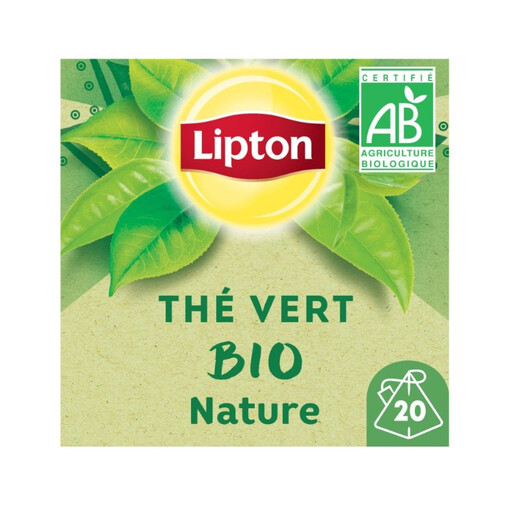 Image unavailable
Lipton Organic Plain Green Tea, 20 bags, 28 g
A tea-bag option if you’d like plain green tea with breakfast. The listing for this product states that it contains 100% green tea from China, organically grown. The recommended brewing time is 2 minutes in 200 ml of water at 90 °C.
View on Joybuy
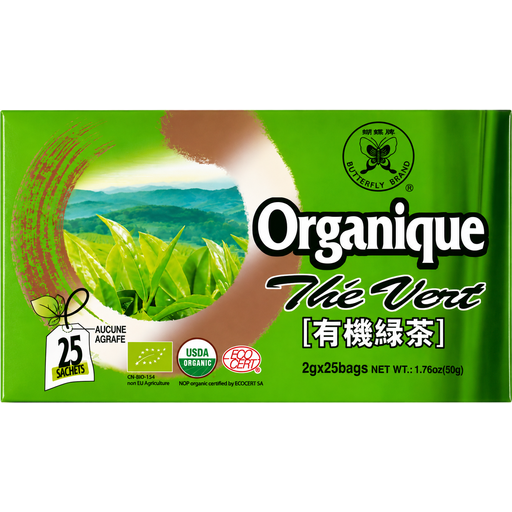 Image unavailable
Butterfly Organic Green Tea, 25 bags, 50 g
Worth considering if you’re looking for organic green tea bags to enjoy with breakfast. The box contains 25 bags and weighs 50 g. Follow the brewing instructions on the packaging.
View on Joybuy
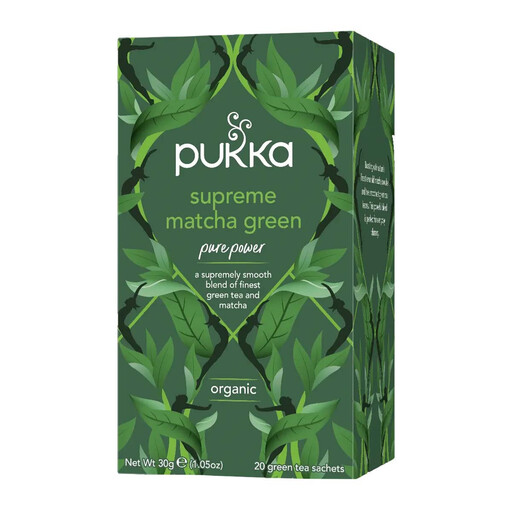 Image unavailable
Pukka Organic Matcha Green Tea, 30 g
An option to consider if you’d like to try a green tea recipe containing matcha rather than plain green tea. The product is sold in a 30 g quantity; check the product listing or packaging for its format and preparation instructions.
View on Joybuy
 Image unavailable
PUKKA Mint Matcha Green Tea, 20 bags
A tea-bag option to consider if you prefer a minty flavour. Its name also indicates that it contains matcha, so don’t mistake it for plain green tea. If the risk factors highlighted by Anses apply to you, ask for advice tailored to your circumstances before using it regularly.
View on Joybuy
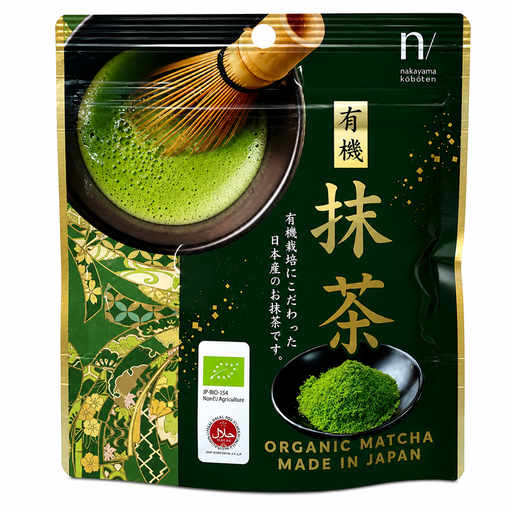 Image unavailable
JP Nakayama Organic Matcha, 30 g
Consider this only if you’re specifically looking for matcha powder, rather than tea bags for infusing. The Joybuy listing states that it contains 30 g of 100% organic green tea. Check the instructions for use and, depending on your circumstances, take account of the Anses precautions concerning oxalates.
View on Joybuy
Frequently asked questions
Is organic green tea automatically suitable for someone with diabetes?
No. Organic refers to the method of production, not to a proven effect on diabetes. France’s national health insurance service, Assurance Maladie, explains that diets should be tailored to each person’s needs. When choosing a drink, check its ingredients and anything you add to it as well.
What should I look for on the label of green tea for breakfast?
Start with the product name and ingredients list: these help you tell plain tea apart from a flavoured blend or ready-to-drink beverage. Then check that the organic label applies to the exact product you’re considering. If nutritional information is provided, compare like with like, particularly per 100 g or per 100 ml, depending on the product.
Can I choose organic mint green tea instead of plain tea?
Yes, if you prefer the taste, but check the recipe rather than assuming it’s 100% plain tea. Auchan Bio’s listing for mint green tea states that it contains 62% green tea, 33% spearmint and 5% natural mint flavouring.
Can organic matcha directly replace green tea bags?
No. Matcha powder and tea for infusing are different formats. Anses recommends limiting foods and drinks containing oxalates if you have certain risk factors, including diabetes, chronic kidney disease or digestive problems. If this applies to you and you’re considering using matcha regularly, ask a healthcare professional for advice.
How do I prepare organic green tea in a bag?
Follow the instructions for the product you’ve bought rather than using the same brewing time for every tea. The listing for Lipton Organic Plain Green Tea recommends 2 minutes in 200 ml of water at 90 °C, while Auchan Bio’s plain green tea listing recommends 2 to 3 minutes in 200 ml of simmering water.


