Organic shoppers who check the label
You want to confirm that a product is organic, then compare its fat and sugar content using the nutritional information.


When choosing fruit in syrup for your organic shop, first check that the product is certified organic, then compare the fat content per 100 g on its label. The St Mamet organic pears and Carrefour Bio pineapple described by Carrefour both contain 0 g of fat per 100 g, but their recipes differ: organic does not mean “no added sugar” or “sugar-free”.
You want to confirm that a product is organic, then compare its fat and sugar content using the nutritional information.
You’re looking for a no-added-sugar recipe or fruit in juice, without confusing this claim with being completely sugar-free.
You’re choosing between individual pots and larger formats for a dessert or snack, and want to compare quantities to suit how you’ll use them.
For your organic shop, first check the product’s organic status and recipe. Then compare the values per 100 g and choose the format that works for you.
| Criteria | What to check | Who is it for? |
|---|---|---|
| Organic status and fat | Check for the organic claim and the “fat” line per 100 g on the product you choose. According to Agence Bio, the EU organic logo on the label confirms compliance with European organic farming regulations. | If organic is essential to my shopping, I also want to know the fat content of the specific product I’m buying. Around 42% of consumers would put these two criteria first. |
| Added sugar | Read the ingredients list, check for a “no added sugar” claim and look at the “of which sugars” line per 100 g. | When I prefer a no-added-sugar recipe, I want to distinguish this claim from the sugars in the fruit or juice. This would be the priority for around 33% of consumers. |
| Format and availability | Compare the drained net weight, number of portions and availability at your chosen retailer. | Whether I’m serving an individual portion or several desserts, I first look for a pack size that suits what I’ll use. Around 25% of consumers would prioritise format and convenience. |
The St Mamet organic pears described by Carrefour list organic sugar among their ingredients. Organic production alone does not tell you how much sugar a product contains.
Check the organic status, ingredients and “of which sugars” line separately.
Auchan’s listing for a St Mamet fruit salad with no added sugar nevertheless shows 12 g of sugars per 100 g.
To compare two recipes, check their “of which sugars” values on the same 100 g basis.
A claim about fat content tells you neither whether a product is organic nor what its recipe contains. The products listed by Carrefour and Auchan show why these criteria need to be considered separately.
Check the label of the exact product and compare its fat, sugar and ingredients. Then check for an organic claim if that matters to your purchase.
A product of pineapple chunks in pineapple juice gives you a way to compare an organic recipe with its nutritional values.
The products reviewed include organic pears in syrup and fruit salad in juice with no added sugar. Their claims are not interchangeable.
The range reviewed includes different recipes and pack sizes, including fruit in syrup, fruit in juice and products with no added sugar.
These fruit in syrup products let you compare different fruits and pack sizes. If you’re adding them to your organic shop, check the organic status on each product’s label, along with its fat and sugar content per 100 g.
 Image unavailable
Worth comparing if you’re looking for pear halves for several portions. The title specifies a drained weight of 455 g; check the label for organic status, fat and sugar content.
 Image unavailable
Consider this if you prefer a drained weight of 230 g. Light syrup alone does not confirm organic status or sugar content, so check the label and values per 100 g.
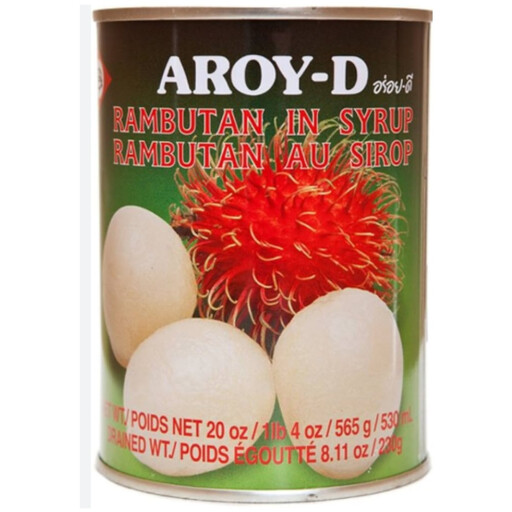 Image unavailable
Another type of fruit in syrup to consider for dessert, in a 565 g pack. Check the ingredients, organic status and nutritional values before comparing it with other recipes.
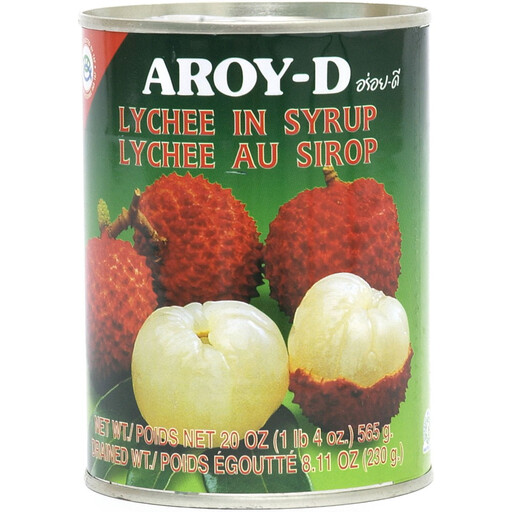 Image unavailable
Compare this with other fruit in syrup if you’d like to serve lychees in a 565 g pack. For an organic shop, check the relevant claim on the product and read the fat and sugar values per 100 g separately.
Check the product for an organic claim and information about organic ingredients. According to Agence Bio, the EU organic logo on the label confirms compliance with European organic farming regulations; it does not show the sugar or fat content.
No. Compare the “fat” line per 100 g on the specific products you’re interested in. Also read the ingredients and the “of which sugars” line if the recipe is important to your choice.
No. Auchan’s listing for a St Mamet fruit salad with no added sugar shows 12 g of sugars per 100 g. The “of which sugars” line lets you compare recipes without confusing these two claims.
Look for another product, checking its organic status, ingredients and nutritional values again. Carrefour’s listings for St Mamet organic pears and Carrefour Bio pineapple showed these products as unavailable when checked; a recipe labelled only “no added sugar” is not automatically a substitute for organic.
Follow the storage instructions on the product you’ve bought, particularly for any leftovers after opening. Anses notes that cold temperatures slow the growth of micro-organisms.