What should you check before choosing?
For a lunchbox, first choose the type of product that suits the intended use: fruit in syrup is not interchangeable with whole fruit or compote. If you opt for organic fruit in syrup, check its certification, ingredients and how much can realistically be packed for school.
| Criterion |
What to check |
Who this matters to |
| Organic certification |
The EU organic logo, the code of the inspection body and the indication of the origin of the agricultural raw materials on the packaging. |
I want to be able to identify the certification of the product I put in the lunchbox, rather than rely on the word ‘organic’ alone. Around 29% of consumers make this their top priority. |
| Sugars and recipe |
Whether sugar is listed among the ingredients and the ‘of which sugars’ figure per 100 g, comparing products in the same category. |
For a dessert to take to school, I want to distinguish between sugars listed in the nutritional information and sugar added to the recipe. This is the main concern for around 36% of consumers. |
| Portion and storage |
The drained net weight, the container needed for transport and the instructions for storage after opening. |
If I’m preparing several lunchboxes from a large pack, I need portions that are easy to transport and any leftovers to be stored according to the label. Around 21% of consumers prioritise this convenience. |
| Local availability |
The product offered by your chosen shop or collection service, and how many portions you can use before it reaches the end of its stated storage time. |
I don’t want to plan meals around a product my shop doesn’t stock, or open a large pack for just one portion. For around 14% of consumers, being able to find and use the product comes before other criteria. |
Compotes and fruit preparations on Joybuy
These products are compotes or fruit preparations in individual portions. Consider them if an alternative to fruit in syrup would suit the lunchbox. Although they’re presented as baby products, you should still check that the pack size, ingredients and school rules are suitable for the child in question.
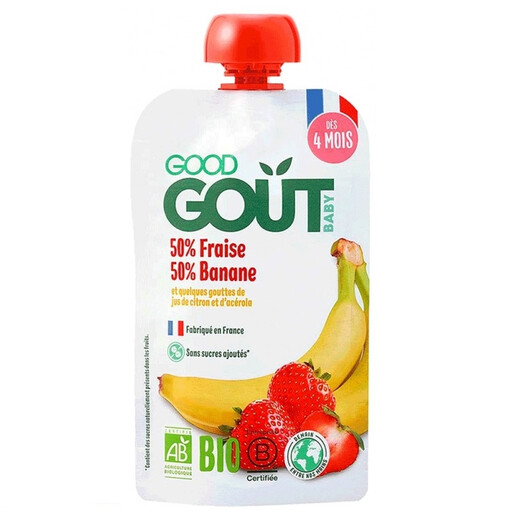 Image unavailable
G.GOUT, strawberry and banana fruit pouch, 120 g
Worth considering as a portion of fruit preparation rather than fruit in syrup. Check the storage instructions and whether this pack size suits the child’s lunchbox.
View on Joybuy
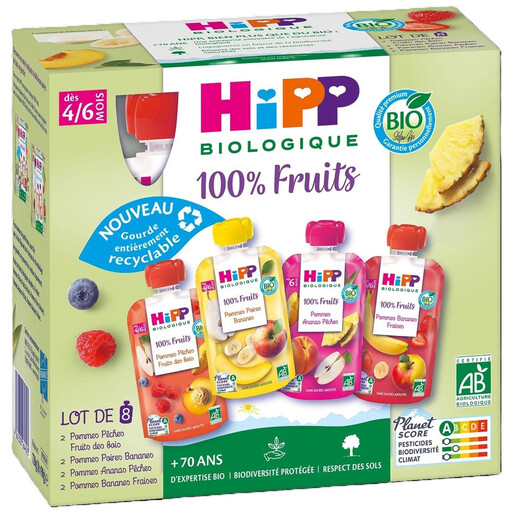 Image unavailable
HiPP, fruit pouches, 4 varieties, 8 × 90 g, from 4/6 months
Individual portions may be suitable if you’re looking for compote rather than fruit in syrup. The product is presented as suitable from 4/6 months; check the ingredients for each variety and the instructions for storage after opening.
View on Joybuy
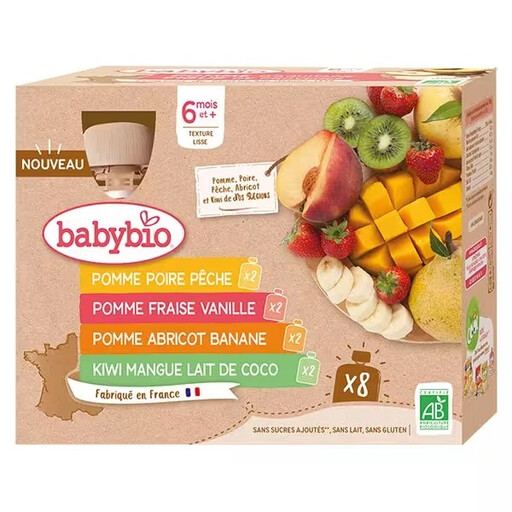 Image unavailable
BABYBIO, mixed fruit compote pouches, 8 × 90 g, from 6 months
This multipack gives you separate portions if compote is suitable as an alternative to fruit in syrup. The kiwi, mango and coconut variety contains coconut milk, so check the ingredients for your chosen variety and the storage instructions.
View on Joybuy
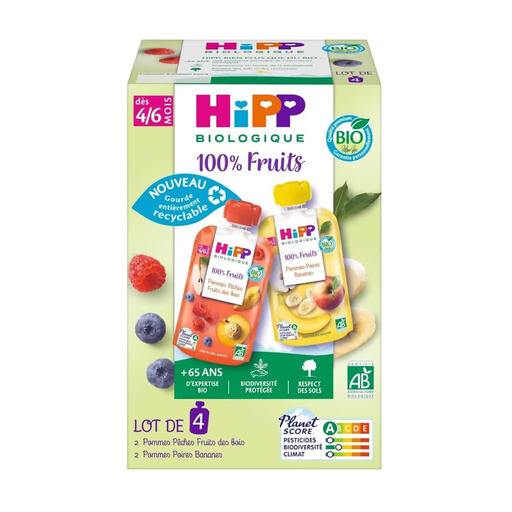 Image unavailable
HiPP, fruit preparation, 4 × 90 g, from 4/6 months
These portions can replace fruit in syrup if a fruit preparation is suitable for the intended use. Before choosing a container for the lunchbox, check the packaging: descriptions of the pack use different terms.
View on Joybuy
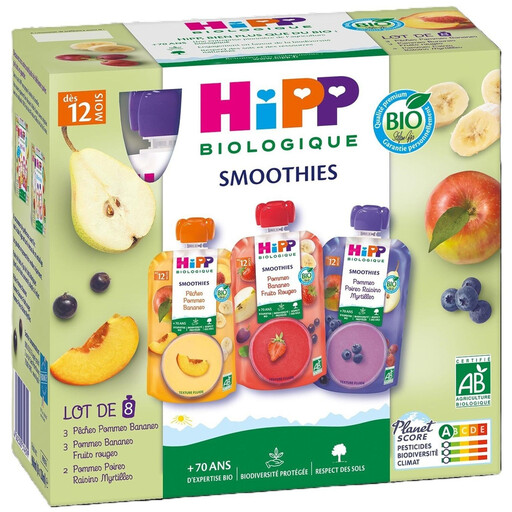 Image unavailable
HiPP, apple, banana, red fruit and peach preparation, 8 × 120 g, from 12 months
This fruit preparation in pouches is not fruit in syrup. To decide whether it’s suitable for the lunchbox, check its texture, ingredients list and storage instructions after opening.
View on Joybuy
Frequently asked questions
How can you tell if fruit in syrup is certified organic?
For prepacked food carrying the EU organic logo, also check the code of the inspection body and the indication of the origin of the agricultural raw materials. The European Commission explains that use of the logo on a processed product requires, among other things, at least 95% of its agricultural ingredients to be organic, subject to the conditions that apply to other ingredients.
Is organic fruit in syrup always free from added sugar?
No. Organic certification does not mean that the recipe contains no added sugar. The organic St Mamet pears featured by Auchan list sugar among the ingredients and contain 14 g of sugars per 100 g. Check both the ingredients list and the nutritional information for the product you choose.
Should you choose fruit in syrup for a regular school snack?
For a regular snack, fruit or compote are also worth considering: Manger Bouger lists them among its snack ideas and advises limiting sugary products. If you choose fruit in syrup, check the recipe and portion size, and don’t assume that organic certification tells you anything about its sugar content.
Can you prepare a lunchbox portion from a large jar?
Yes, if you can transfer a portion to a suitable container and follow the storage instructions after opening. For the organic St Mamet pears featured by Auchan, the product page says to store the leftovers in the fridge in a suitable container and use them within 3 to 4 days. Also check your school’s rules for food brought in from home.


