To choose an organic espresso to serve with an afternoon snack, check that the specific product is certified organic, then pick a format to suit the machine you have: whole beans, ground coffee or compatible capsules. If your snack is late or a guest is sensitive to caffeine, also consider the time of day and their other sources of caffeine. The European Food Safety Authority’s guidance applies to healthy adults and does not cover medical conditions or interactions with medicines.
Who is this choice for?
Hosts with a bean-to-cup machine
If you’re making several espressos for an afternoon snack using a grinder, coffee mill or espresso machine, look for organic beans that suit your equipment. Check the roast profile too: whole-bean coffees don’t all produce the same cup.
Users of Nespresso-compatible capsules
If you’d like to serve coffee with minimal preparation, check that the product you choose is both certified organic and compatible with your machine. A capsule described as Nespresso-compatible won’t necessarily work with every system.
People mindful of serving coffee late in the day
If you’re concerned about the time of your afternoon snack or a guest’s sleep, take into account their other caffeinated drinks throughout the day. To reduce caffeine, look for a product whose organic, decaffeinated and compatibility claims all match your needs. The European Food Safety Authority’s guidance is not personalised advice.
What should you check before buying?
First, check that the specific coffee you’re buying is organic and suitable for your machine. You can then narrow down your choice based on taste and how caffeine fits into a late afternoon snack.
| Criteria |
What to check |
Who is it for? |
| Organic certification |
Look for the EU organic logo on the specific product and the AB logo if it appears; check the product description too. |
I want to be sure the organic claim applies to the coffee being served, not just the name of a range. For around 40% of consumers, this would be the top priority. |
| Format and preparation |
Match whole beans, espresso grind or capsules to your machine; for capsules, check which system they’re stated to be compatible with. |
When I’m making several cups, I want to use the coffee with the machine I have rather than having to change my approach at the last minute. Compatibility would come first for around 30% of consumers. |
| Flavour profile |
Compare the blend, tasting notes and intensity stated for the product; if you don’t know everyone’s preferences, consider trying a small amount first. |
For a get-together where people have different tastes, I don’t want to choose a pronounced roast assuming everyone will enjoy it. Flavour profile would be the priority for around 20% of consumers. |
| Caffeine in the afternoon |
Consider the time of day and other sources of caffeine; if you’re looking for decaffeinated coffee, check that it’s also organic and in a suitable format. |
If coffee is being served late, I’d rather take the drinker’s sensitivity into account than rely on the stated intensity. Around 10% of consumers would put this at the top of their list. |
Mistakes to avoid
-
Confusing a natural-sounding claim with organic certification
A range name or description of the coffee’s origin isn’t enough to establish that the specific product you’re buying is organic. In France, the Ministry of Agriculture states that organic farming is governed by a European regulatory framework.
Check the organic claims on the specific product, including the EU organic logo and, where present, the AB logo.
-
Choosing the coffee before checking your machine
Whole beans, ground coffee for espresso and capsules are used in different ways. Nespresso-compatible capsules are no substitute for beans for a grinder or ground coffee for a manual machine.
Identify the type of machine you have and, for capsules, check the stated compatibility with its system before buying.
-
Taking intensity as an indication of caffeine content
Intensity and roast describe a coffee’s profile; on their own, they don’t tell you how much caffeine is in a cup. This is particularly unhelpful when coffee is served late in the day.
Choose the stated profile to suit your guests’ tastes. If you want to reduce caffeine, look separately for decaffeinated coffee with organic claims and a format that suit your needs.
-
Applying general guidance to an individual medical situation
The European Food Safety Authority’s assessment of caffeine applies to healthy adults; it does not cover medical conditions or interactions with medicines.
If someone is taking medication, has a medical condition or has concerns about sleep, seek medical or pharmaceutical advice tailored to them.
Organic espresso brands to know
Lavazza
Lavazza describes Espresso Maestro Organic as an organic whole-bean coffee, particularly suited to espresso.
- The brand describes a blend of Arabica and Robusta, with cocoa and chocolate notes.
- The 1 kg pack is worth considering if you only host an occasional afternoon snack; you’ll also need equipment for whole beans.
Carte Noire
Carte Noire offers Espresso Bio whole beans, described as a certified organic Arabica and Robusta blend.
- The brand states an intensity of 11/13, a dark roast and notes of chocolate and caramel.
- This profile, described as intense, may not suit everyone’s taste; the intensity rating doesn’t indicate caffeine content.
Auchan Bio
Auchan Bio lists organic espresso capsules described as Nespresso-compatible.
- The product listing describes 100% Arabica organic roasted ground coffee, supplied in capsules.
- Check your machine’s system: these capsules are no substitute for whole-bean or ground coffee.
Méo
Carrefour and Auchan listings describe Méo Espresso Bio as a whole-bean coffee made with Arabica and Robusta.
- The Auchan listing describes an Italian-style roast for espresso or ristretto.
- The bold profile is best matched to the preferences of the people you’re serving, rather than assumed to be to everyone’s taste.
Ethiquable
Ethiquable describes an organic whole-bean espresso for espresso machines and percolators.
- The brand describes a blend of two organic Arabica coffees with a dark roast.
- Its pronounced bitterness may make another option a better choice if your guests prefer a milder profile.
Organic whole-bean espresso on Joybuy
These products are intended for making espresso with equipment designed for whole beans. If you’re serving coffee late in the day, choosing one of them doesn’t replace checking the caffeine or decaffeinated claims on the product you buy.
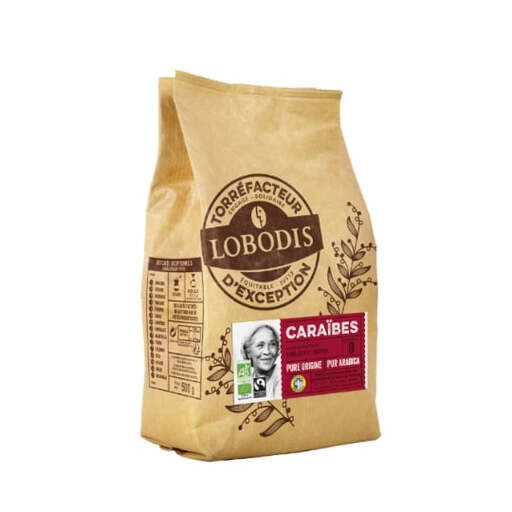 Image unavailable
LOBODIS organic whole-bean coffee 500 g
Worth considering if you have a grinder or coffee mill for making espresso. Check the grind recommendations for your machine and, if caffeine is an important consideration, the product’s caffeine information.
View on Joybuy
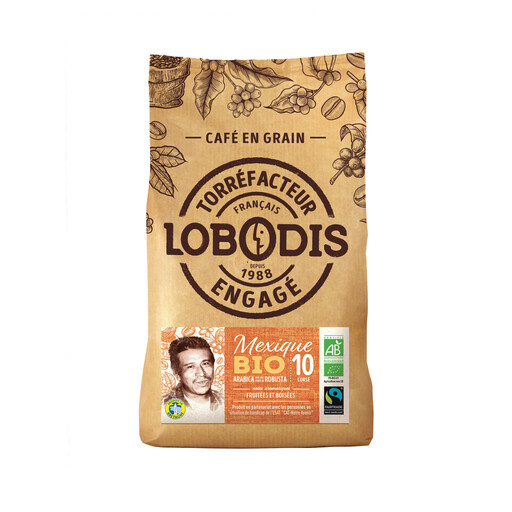 Image unavailable
LOBO organic Mexican coffee 500 g
Worth considering if you’d like to make espresso by adjusting the grind to suit your machine. Check the preparation advice and caffeine information before choosing it for a late afternoon snack.
View on Joybuy
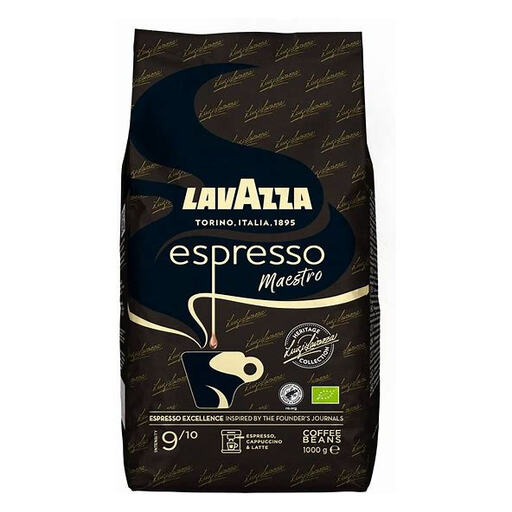 Image unavailable
Lavazza Maestro Organic, 1 kg whole-bean coffee
Worth considering for an automatic machine that uses whole beans. The 1 kg pack may be more than you need for an occasional afternoon snack; if the serving time matters to your choice, also check the caffeine information.
View on Joybuy
Frequently asked questions
How can you identify organic espresso in France?
Check the organic claims for the specific product, including the EU organic logo and the AB logo when shown. The Ministry of Agriculture states that organic farming is governed by European regulations; nature-inspired wording is no substitute for these labels.
Should you choose whole beans, ground coffee or capsules?
Choose a format your machine can use: whole beans with a grinder or coffee mill, a suitable grind if your manual espresso machine uses ground coffee, or capsules that match the stated system. For example, Auchan describes its organic espresso capsules as Nespresso-compatible; check your machine’s model before buying.
Can you serve espresso to an older person with an afternoon snack?
Age alone doesn’t determine whether espresso is suitable for a particular person: the time of day, their sensitivity to sleep disruption and their other sources of caffeine all matter. The European Food Safety Authority’s assessment applies to healthy adults and does not cover medical conditions or interactions with medicines. In these situations, seek medical or pharmaceutical advice.
How should you store organic coffee after opening?
Follow the instructions on the product you buy. Naturela and Méo product listings recommend keeping their coffee away from heat and moisture and resealing the bag securely after opening.


