What should you check before buying?
When serving organic espresso to an older adult, consider the role of breakfast, caffeine tolerance, certification and ease of preparation. None of these criteria replaces the others.
| Criterion |
What to check |
Who might this suit? |
| Coffee’s place at breakfast |
Plan the food for the meal separately from the espresso; seek advice if there is unintended weight loss or a reduced appetite. |
When my appetite drops, I don’t want a cup of coffee to stand in for breakfast. Around 31% of consumers would put this dietary need first. |
| Paying attention to caffeine |
Look for the word “decaffeinated” if needed; don’t assume that taste intensity reflects caffeine content. |
If my sleep is affected, I look for an option that addresses this concern rather than simply a less full-bodied taste. Around 31% of consumers would prioritise keeping an eye on caffeine. |
| Organic certification |
Check for the Euro-leaf logo or an organic certification statement on the packaging of the exact product. |
I want to be able to identify certified organic coffee, not just a product that suggests it is natural. Around 23% of consumers would put this criterion first. |
| Everyday preparation |
Check that the format works with your machine and, for whole beans, that you have a built-in grinder or a separate one; follow the storage advice after opening. |
If I need to keep preparation simple at home, I choose a format that works with the equipment I already have. Around 15% of consumers would prioritise ease of use. |
Brands to know
These products illustrate some of the formats and details to compare when looking for organic coffee. A brand’s inclusion here doesn’t mean that all its ranges are certified organic.
Lavazza
Lavazza France describes Espresso Maestro Organic as 1 kg of organic whole coffee beans, suitable for espresso among other preparations.
- The whole-bean format is designed for households with equipment to grind coffee.
- The roast doesn’t tell you how much caffeine is in each cup. Check this separately if it affects your choice.
Carte Noire
Carte Noire describes Espresso Bio as a 900 g blend of organic Arabica and Robusta beans, with a stated intensity of 11/13.
- The product listing lets you check the format and stated taste profile of this product.
- The intensity scale isn’t a measure of caffeine per cup.
Auchan
Auchan lists a 1 kg pack of organic, 100% Arabica whole coffee beans, with a stated intensity of 8/10.
- The product listing displays the Euro-leaf and AB logos and says it can be prepared in a bean-to-cup machine or after grinding.
- Its intensity doesn’t let you compare its caffeine content with that of other coffees.
Carrefour
Carrefour offers 100% Arabica Carrefour Bio whole coffee beans in its whole-bean coffee range.
- This is one option to look into if you’re searching for organic whole beans.
- Before choosing it for espresso, check the information on the pack and make sure it’s suitable for your preparation method.
Bio Village (E.Leclerc)
E.Leclerc lists a 250 g pack of organic, Fairtrade, decaffeinated pure Arabica ground coffee in its Bio Village range.
- The “decaffeinated” label helps you identify an option to consider when caffeine is your main concern.
- Before buying it for espresso, check that the grind is suitable for your machine; the product name alone doesn’t guarantee this.
Organic whole coffee beans on Joybuy
These two whole-bean coffees are options to consider if you’re looking for organic coffee to prepare in a bean-to-cup machine or with a grinder. If caffeine is the deciding factor, check the information on the pack separately and consider whether a decaffeinated option is available.
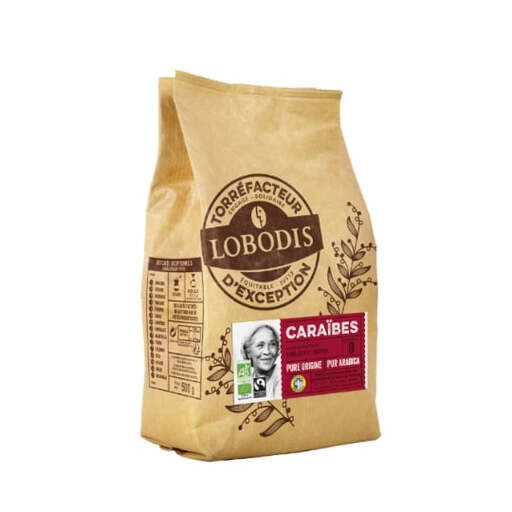 Image unavailable
LOBODIS organic whole coffee beans 500 g
Worth considering if you have a bean-to-cup machine or a grinder to make espresso for breakfast.
The stated pack size is 500 g. Check the certification on the pack and the grind required by your equipment before choosing this product.
View on Joybuy
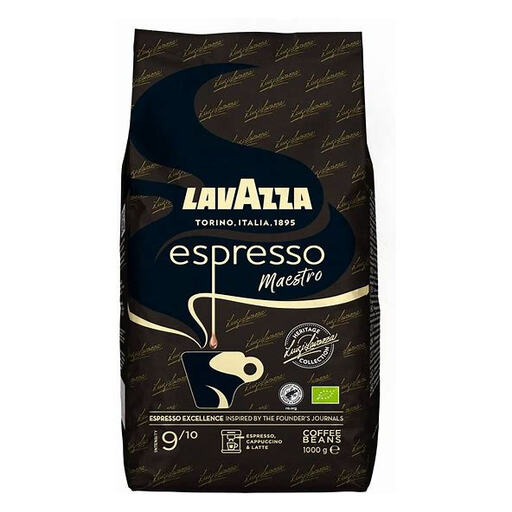 Image unavailable
Lavazza Maestro Organic whole coffee beans 1 kg
Consider this for use with a bean-to-cup machine or grinder, if whole beans suit your usual routine.
The stated pack size is 1 kg. If you drink coffee slowly, bear the storage advice after opening in mind. Don’t use the espresso taste profile alone to judge its caffeine content.
View on Joybuy
Frequently asked questions
How can you recognise organic espresso coffee?
Look for the Euro-leaf logo on the packaging of the product you choose. According to Agence Bio, this logo indicates that the product meets European organic farming rules. A general reference to nature or sustainability isn’t a substitute for this certification.
Does organic espresso provide what an older adult needs at breakfast?
No. Espresso is a drink to enjoy alongside food, whether it’s organic or not. Manger Bouger highlights the importance of dietary intake for older people, particularly when there is a risk of malnutrition. A reduced appetite or unintended weight loss is a reason to seek medical advice.
Should older adults always choose decaffeinated coffee?
No. The choice depends in part on individual tolerance and any advice received about a health condition or medication. ANSES says caffeine can affect sleep. If this is a concern, consider a product clearly labelled as decaffeinated and seek personalised advice if needed.
Does an intensity rating of 11/13 mean there’s more caffeine than in a coffee rated 8/10?
These ratings don’t tell you whether there’s a difference in caffeine per cup. Carte Noire and Auchan use intensity scales for their respective products. If you need to limit your caffeine intake, look for product-specific quantitative information rather than comparing these taste ratings.
Can you use organic whole beans in any espresso machine?
No. Whole beans need a machine with a built-in grinder, or you’ll need to grind them beforehand. Check which formats your machine accepts and follow its instructions. If you’re using a separate grinder, choose a suitable grind.


