Anyone looking to identify an organic product
If the word ‘natural’ isn’t enough for you, look for the Euro-leaf logo and certification details on the packaging. Agence Bio describes this logo as a guide to European organic farming regulations.


When shopping for Easter, first choose a bar whose organic status you can verify on the packaging: according to Agence Bio, the Euro-leaf logo confirms compliance with European organic farming regulations. Then compare the sugars and other nutritional values per 100 g, followed by the ingredients and allergens in the exact recipe. The Nutri-Score can provide additional information if displayed, but its use is optional in France, as the Ministry of the Economy explains.
If the word ‘natural’ isn’t enough for you, look for the Euro-leaf logo and certification details on the packaging. Agence Bio describes this logo as a guide to European organic farming regulations.
If you’re choosing bars to share, check the number of bars, the net weight and the exact recipe. Nutritional information per 100 g makes it easier to compare different pack sizes, in line with the guidance from the DGCCRF.
Before buying for someone with an allergy, read the highlighted ingredients and any ‘may contain’ warnings. The DGCCRF reminds food businesses that allergenic ingredients must be emphasised on the label.
| Criteria | What to check | Who is it for? |
|---|---|---|
| Organic status | Look for the Euro-leaf logo and certification details on the packaging. According to Agence Bio, this logo confirms compliance with European organic farming regulations. | I want to tell certified organic products apart from those that simply make nature-related claims before choosing my Easter chocolates; around 36% of consumers put this check first. |
| Sugars and ingredients | Compare the sugars, energy and fat per 100 g, as well as the ingredients list. The DGCCRF identifies 100 g as the standard basis for comparing nutrition declarations. | When choosing between several chocolate recipes labelled organic, I mainly want to compare what they contain; ingredients are the main concern for around 29% of consumers. |
| Allergens | Check the allergens highlighted in the ingredients list and any ‘may contain’ warnings on the exact product. | If someone who’ll be having these bars needs to avoid certain ingredients, I need to check each recipe before planning to share them; around 21% of consumers prioritise this. |
| Pack size for sharing | Check the net weight and number of bars, without assuming that a cereal bar is the same as a chocolate bar. | To share out Easter treats, I first need to know how many bars are in the box; pack size comes before other criteria for around 14% of consumers. |
Organic production methods don’t, on their own, tell you how much sugar a product contains. The ingredients list published by Carrefour for its organic chocolate cereal bars includes glucose syrup and sugar.
Once you’ve checked the organic certification, compare the sugars per 100 g on the packaging of the products you’re considering.
In France, the Nutri-Score is optional; the Ministry of the Economy distinguishes it from the nutrition declaration required for relevant prepacked foods.
If the logo isn’t shown, use the nutritional values per 100 g and the ingredients list to compare recipes.
Article 1613 ter of the General Tax Code, published on Légifrance, sets out a levy on drinks and liquid preparations for drinks, not solid chocolate bars.
To assess a bar’s ingredients, check its sugar content on the nutrition label rather than referring to this tax.
The recipe for Carrefour Bio chocolate cereal bars published by Carrefour includes oats and wheat, among other ingredients, and warns that the product may contain traces of milk, peanuts and tree nuts.
Check the ingredients and any ‘may contain’ warnings on the exact pack you’re buying.
Carrefour’s organic range includes a 138 g box of six chocolate cereal bars. These are cereal bars, not traditional chocolate bars.
Bjorg offers organic cereals and biscuits, among other products, which may be worth considering if you’re looking beyond chocolate bars for Easter treats.
Carrefour sells an organic chocolate cereal bar under the Karelea brand. It’s different from a traditional chocolate bar.
This selection includes four chocolates to enjoy and one cereal bar with a cocoa filling. For your Easter shopping, check the organic certification, nutritional information and allergens on the exact packaging of each product.
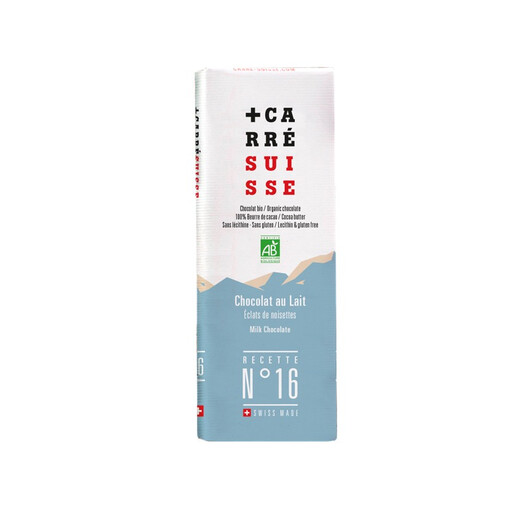 Image unavailable
A handy size to consider if you prefer to hand out individual chocolates. Check the packaging for organic certification, sugars per 100 g and allergen information.
 Image unavailable
Worth considering if the combination of lemon and green pepper suits the people sharing the chocolate. Compare the nutritional values per 100 g and check the allergen information on the exact product.
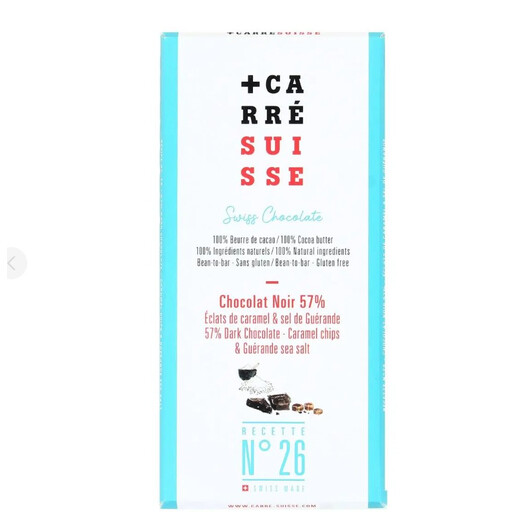 Image unavailable
This recipe combines dark chocolate, caramel and salt, so check that it suits the tastes of everyone who’ll be sharing it. Before you buy, also check the sugars per 100 g and the allergens on the packaging.
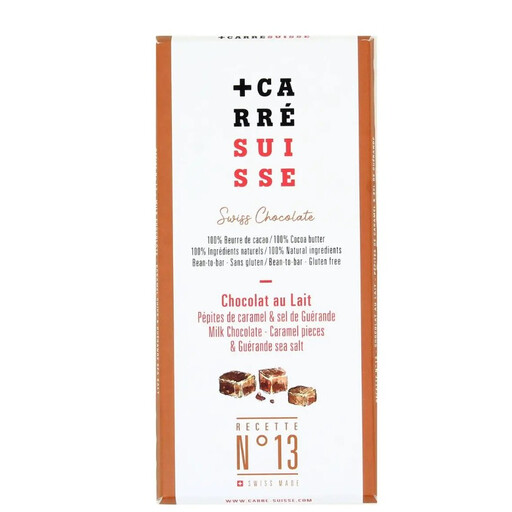 Image unavailable
Another caramel and salt combination, this time with milk chocolate. To compare it with the other recipes, check the sugars per 100 g, along with the ingredients and certification shown on the packaging.
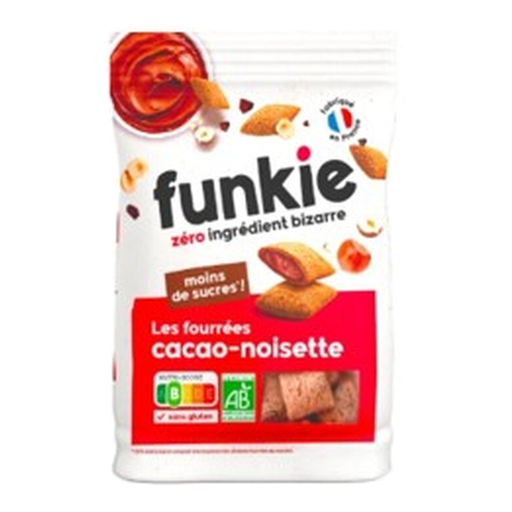 Image unavailable
Choose these if you’re looking for a filled cereal bar rather than a chocolate bar. Before sharing, check the nutritional values per 100 g, organic certification and allergen information on the packaging of the pack you buy.
Look for the Euro-leaf logo and certification details on the packaging of the exact product. According to Agence Bio, this logo confirms compliance with European organic farming regulations; it doesn’t tell you how much sugar the bar contains.
No. The Ministry of the Economy says its use is optional and that it complements the nutrition declaration. If it isn’t displayed, compare the nutritional information per 100 g and the ingredients.
No, not under the definition set out in Article 1613 ter of the General Tax Code published on Légifrance: the levy applies to drinks and liquid preparations for drinks, not solid bars. To compare chocolate bars, check their sugar content on the label.
Read the highlighted allergenic ingredients and any ‘may contain’ warnings on the exact packaging. The DGCCRF reminds food businesses that allergenic ingredients must be emphasised on the labels of relevant foods; an organic label doesn’t mean you can skip this check.