When choosing organic coffee beans for an older person’s breakfast, check that the specific product is certified, then consider how sensitive they are to caffeine and which format they will actually use. The organic logo tells you about certification, not the nutritional value of breakfast or how caffeine may affect sleep.
Who is this choice for?
Older people who are mindful of how caffeine affects their sleep
If you’re a light sleeper or coffee causes unwanted effects, it’s worth taking extra care when choosing between regular and decaffeinated coffee. The Anses says caffeine can delay falling asleep and reduce sleep duration and quality.
People who want to check that their coffee is organic
The European Union organic logo helps you identify a certified product, according to the European Commission. Check that it applies to the specific packet of coffee beans you’re choosing.
Households organising breakfast for an older person
Coffee beans require a machine with a built-in grinder or a separate grinder, as well as a pack size that suits the household’s routine. Coffee is still just one breakfast drink: Manger Bouger points out that nutritional needs do not necessarily decrease after the age of 75.
What should you look for?
Start by considering caffeine tolerance and checking the certification of the exact product. Then choose a pack size to suit your equipment and how often you drink coffee.
| Criterion | What to check | Who it matters to |
|---|
| Caffeine and sleep |
If needed, check for the words “decaffeinated” or “decaf”, as well as the usual time the coffee is drunk. The strength of the flavour does not tell you how much caffeine it contains. |
If coffee disrupts my sleep, I want to consider decaf rather than judge by taste; around 42% of consumers make this a priority. |
| Organic certification |
Check for the EU organic logo and the exact product on the packet. Don’t assume certification applies to an entire brand. |
My main aim is to identify coffee beans that are genuinely certified organic, without confusing this with a nutritional benefit; around 33% of consumers prioritise this. |
| Pack size and shopping |
Compare the packet size with how much coffee you drink, and check that whole beans are suitable for your equipment. |
To keep shopping simple, I prefer a packet size that suits my household’s needs; around 25% of consumers prioritise this. |
Mistakes to avoid
-
Confusing “organic” with the nutritional value of breakfast
Organic certification relates to how the coffee is produced; it does not make coffee a substitute for breakfast foods. Manger Bouger points out that nutritional needs do not necessarily decrease after the age of 75.
Check the certification if organic status matters to you, then consider separately the food and drinks served to the person.
-
Judging caffeine content by how strong the coffee tastes
A mild flavour or a roast described as smooth does not mean the coffee is decaffeinated. The Anses notes that caffeine can affect sleep.
If reducing caffeine is important, look specifically for “decaffeinated” or “decaf” and consider what time of day the coffee is usually drunk.
-
Choosing a large packet without considering how it will be used
The products listed here come in a range of pack sizes. A larger packet may stay open for a long time in a household that drinks little coffee.
Choose a size to suit how often you use it, and follow the storage instructions on the packet.
-
Assuming every coffee from a brand is organic
A brand may sell both organic coffee and other products. The presence of an organic range tells you nothing about every individual packet.
Check the product name and labelling of the one you choose, even if you switch to a different pack size.
Organic coffee bean brands to consider
Malongo
Malongo offers several coffee beans labelled organic and fair trade, including 500 g packets, as well as a “Déca Aqua” option in this selection.
- Some products let you compare pack size and the decaffeinated option.
- Check the packet you choose for organic certification and the “decaffeinated” label if this is important to you.
Lavazza
Lavazza’s range includes “Voix de la Terre Biologique Espresso Équilibré”, 1 kg of organic roasted coffee beans.
- This product offers a 1 kg option for making espresso.
- Lavazza also sells non-organic coffee beans, so check the status of the specific product.
Carrefour Bio
Carrefour lists a 500 g packet of Carrefour Bio 100% Arabica coffee beans.
- The product details clearly state the type of coffee and the packet size.
- Check the purchase options available for your chosen store and product.
Bio Village / E.Leclerc
E.Leclerc lists a 500 g packet of Bio Village coffee beans, made from pure Arabica from Latin America.
- This is another 500 g option to compare.
- Its organic status should not be assumed to apply to other coffees from the retailer or brand.
Coffee beans available on Joybuy
These coffee beans are labelled organic and may suit a household with a grinder or a machine with a built-in grinder. Before choosing, check the certification on the specific packet and look for the words “decaffeinated” or “decaf” if caffeine content is a key consideration.
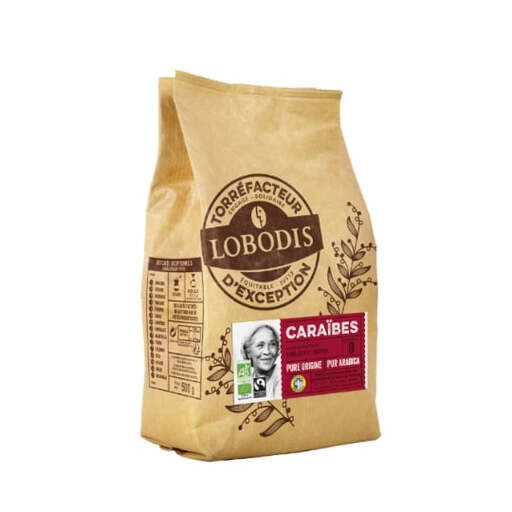 Image unavailable
LOBODIS organic coffee beans, 500 g
A 500 g packet to consider if this size suits your household’s coffee-drinking habits. Check the certification on the packaging and look for the “decaffeinated” label if needed.
View on Joybuy
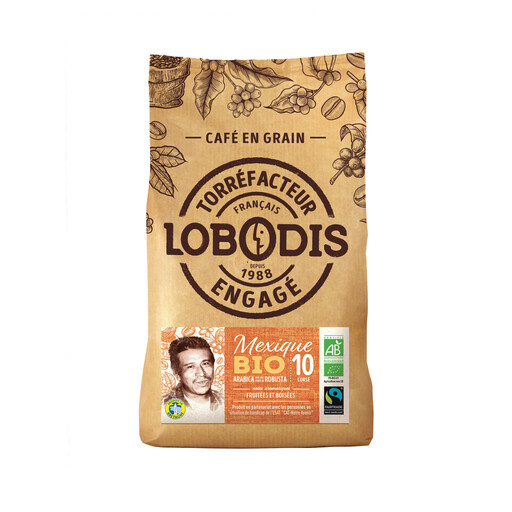 Image unavailable
LOBO organic Mexican coffee, 500 g
Another 500 g option for breakfast. Check the packet to make sure these beans suit your equipment, and look for the certification and any indication that the coffee is decaffeinated.
View on Joybuy
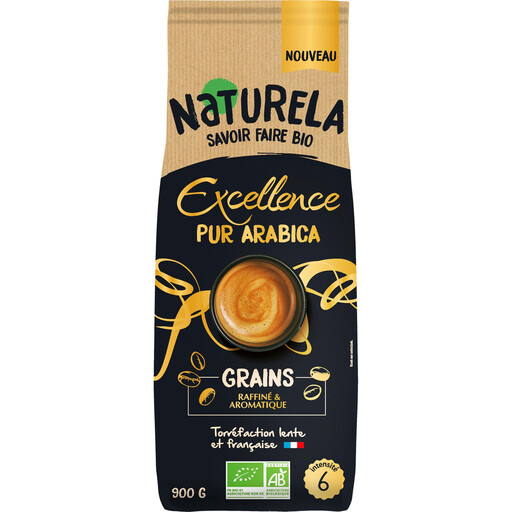 Image unavailable
Naturela organic Arabica coffee beans
Worth considering if you’re looking for Arabica beans. Check the packet size to make sure it suits your consumption, then check the certification and look for a “decaffeinated” label on the packaging.
View on Joybuy
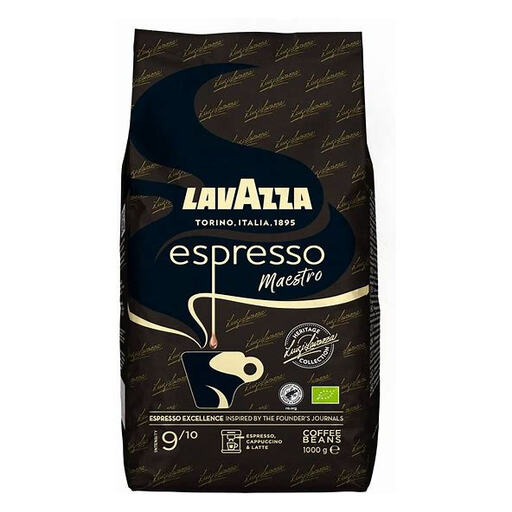 Image unavailable
Lavazza Maestro Organic coffee beans, 1 kg
Consider whether the 1 kg size suits your household’s consumption before opening it. Check the certification for this specific product on the packet, and don’t try to judge its caffeine content by its espresso profile.
View on Joybuy
Frequently asked questions
How can you tell if coffee beans are organic?
Look for the European Union organic logo on the packet and make sure it applies to the product you’re buying. According to the European Commission, the logo helps consumers identify certified organic products; a coffee’s status does not automatically apply to other products from the same brand.
Does organic coffee make breakfast more nutritious for an older person?
Organic certification tells you nothing about the nutritional make-up of breakfast, and coffee is not a substitute for food. Manger Bouger points out that nutritional needs do not necessarily decrease after the age of 75.
When should you consider decaffeinated coffee beans?
Decaf is worth considering if someone wants to reduce their caffeine intake, especially if coffee seems to be disrupting their sleep. The Anses says caffeine can delay falling asleep and reduce sleep duration and quality. If symptoms persist or there is a specific medical concern, ask a healthcare professional for advice.
What size should you choose if your household doesn’t drink much coffee?
Choose a packet size that suits how often you drink coffee, rather than automatically opting for a larger one. The products featured include 500 g and 1 kg packets; check the storage instructions for the one you choose.


