Parents introducing a new flavour
If your child is unsure about coconut, adding a very small amount to a familiar recipe gives them the chance to try it without pressure. Manger Bouger advises against forcing a child to eat food they refuse.


To add a little coconut to a familiar recipe, choose organic coconut milk for cooking. For a bowl or a drink, look for a coconut plant-based drink with a label that suits how you plan to use it. These products have different ingredients and purposes: check the ingredients, allergens and organic labelling on the product you choose, then offer a very small amount without pressuring your child. Neither product replaces infant formula before the age of one, according to Assurance Maladie.
If your child is unsure about coconut, adding a very small amount to a familiar recipe gives them the chance to try it without pressure. Manger Bouger advises against forcing a child to eat food they refuse.
You want to tell verifiable organic labelling apart from a product that simply makes natural-sounding claims. Check the packaging, then read the ingredients list: organic certification alone doesn’t tell you how much coconut the product contains.
You need to choose between a cooking ingredient and a drink while taking your child’s specific dietary restrictions into account. If your child has a known allergy or an individual care plan at school, check the exact product and follow the guidance in place for them.
First, decide whether you want to use coconut as an ingredient in a recipe or as a drink at breakfast. Then compare the ingredients and pack size, keeping your child’s age and any dietary restrictions in mind.
Best for: adding a small amount of coconut to porridge, a purée or a family meal.
Worth considering: its concentration and texture vary from recipe to recipe; it isn’t necessarily intended to be drunk like a plant-based drink.
Best for: a bowl or a liquid preparation, if this type of drink is suitable for your child’s diet.
Worth considering: it won’t give a recipe the same texture as coconut milk for cooking, and it doesn’t replace infant formula before the age of one.
| Criteria | What to check | Who is it for? |
|---|---|---|
| Flavour and texture | Whether it’s for cooking or drinking; the coconut content and nutritional values per 100 ml or 100 g. | When my child is trying coconut for the first time, I want to be able to offer a tiny amount in a familiar dish without assuming they’ll like the taste. Around 29% of consumers would put flavour and texture first. |
| Age and allergens | Ingredients, allergens and any traces listed on the exact product; how it fits into a child’s diet at their age. | If my child follows an exclusion diet or eats in a group setting, I need to follow their specific guidance. If they’re under one, coconut mustn’t replace their infant formula. Around 29% of consumers would make this compatibility their priority. |
| Organic status and ingredients | Organic labelling on the packaging; the coconut content and any thickeners listed in the ingredients. | I’m looking for an organic product, but I also want to know exactly what’s in it before using it. Around 24% of consumers would prioritise this labelling and the ingredients. |
| Pack size and leftovers | Pack size and storage instructions after opening, based on how much the recipe needs. | For a first taste, I’d rather choose an amount I can use even if my child refuses the dish. Avoiding leftovers would be the main concern for around 18% of consumers. |
These products serve different purposes in a recipe. The products listed by Carrefour France and Alpro France have different stated coconut contents, so swapping one for the other without adapting the recipe may not work well.
Check which type of product it is, then read the ingredients and nutritional information before using it in a bowl or cooked dish.
The organic coconut milks listed by Carrefour France and E.Leclerc don’t all state the same coconut content; some also list guar gum. Organic labelling doesn’t tell you about the texture or all the ingredients.
Once you’ve checked the organic labelling, compare the ingredients lists and fat content on the same basis, per 100 ml or 100 g.
Assurance Maladie advises continuing with infant formula until the age of one. Coconut milk for cooking or a plant-based drink doesn’t serve the same purpose.
If your child is under one, don’t choose a coconut product as a substitute for infant formula. Ask for advice about using it as an ingredient in your child’s diet.
The pack sizes listed by Carrefour France and E.Leclerc range from 200 ml to 400 ml. If your child refuses the new flavour, some of a large pack could go unused.
Start with a small amount in a familiar recipe and choose a pack size that suits the other meals you have planned. Manger Bouger advises offering food to try without applying pressure.
These examples relate to specific products. Always check the label on the pack you’re planning to buy, rather than assuming a feature applies to an entire brand.
Carrefour France lists, among other products, a 330 ml carton of organic coconut milk for cooking.
This brand, sold at E.Leclerc, offers a 200 ml pack of organic coconut milk for cooking.
Carrefour France lists Kara organic coconut milk for cooking in a 200 ml carton.
Carrefour France lists a 400 ml tin of Jalaya organic coconut milk for cooking.
Alpro France lists a coconut plant-based drink for liquid use, distinct from coconut milk for cooking.
These products are for cooking with coconut: two coconut milks and a coconut cream, to choose from based on your recipe and the amount you need. Coconut cream isn’t a plant-based drink. For each product, check the organic labelling and allergen information on the packaging.
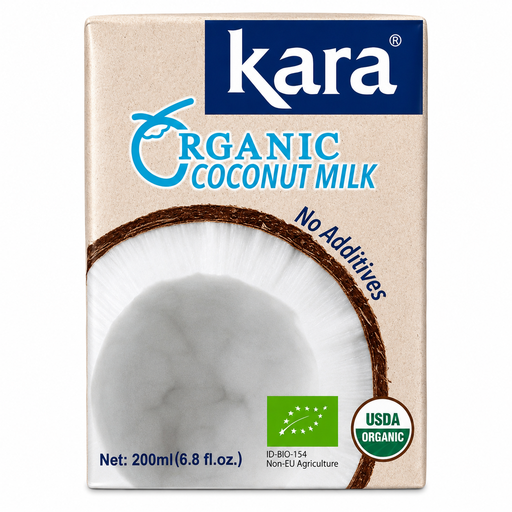 Image unavailable
The 200 ml pack may be a good choice for a first try in a small recipe. The product name states 17% fat, while other information on the product page gives 18.4 g per 100 ml. Check the value on the packaging before comparing this product with another. Also check the organic labelling and any allergen warnings.
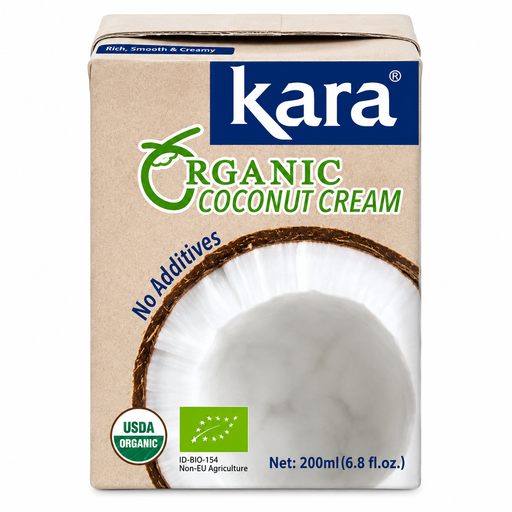 Image unavailable
This 200 ml coconut cream is for recipes that call for a small amount of cream; it’s neither coconut milk nor a drink for a bowl. The product name states 24% fat. Check the ingredients, organic labelling and any allergen warnings on the packaging.
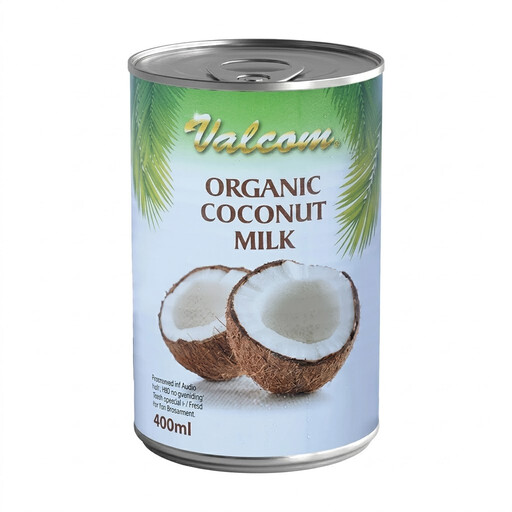 Image unavailable
The 400 ml pack may suit you if you’re planning to make several coconut-based dishes; if you’re preparing just one taster, consider what you’ll do with the leftovers after opening. Joybuy France states that this product contains 68% coconut extract, water and guar gum. Check the organic labelling and allergen information on the packaging.
Check the organic labelling and EU organic logo on the packaging, then read the ingredients. The DGCCRF notes that organic labelling is subject to specific rules; on its own, it doesn’t tell you the coconut content, fat content or whether the product contains a thickener.
No. Neither coconut milk for cooking nor a coconut plant-based drink should be used to replace infant formula before the age of one. Assurance Maladie advises continuing with infant formula until a child’s first birthday. If you want to use coconut as an ingredient in a young child’s food, take their age into account and ask for advice if needed.
No. The name ‘coconut milk’ doesn’t necessarily mean that the product contains dairy. However, check the ingredients and any ‘may contain’ statements on the exact product. Alpro France describes the coconut drink it reviewed as dairy-free, but warns that it may contain traces of nuts.
Offer a very small amount in a familiar recipe, without forcing your child to eat it. Manger Bouger recommends offering food to try without turning a refusal into a conflict. A smaller pack can also help reduce waste when you’re trying it for the first time.
Follow your child’s dietary restrictions and check the label on the product being used. Assurance Maladie says an individual care plan, or PAI, can set out these restrictions in group settings. If your child has a confirmed allergy, follow medical advice about which foods to avoid.