To enjoy with your coffee, choose a cereal bar or biscuit bar if you want something ready to take with you; opt for a chocolate bar if you’d rather decide how much to have. These formats have different recipes, so check the organic certification, ingredients, allergens and nutritional values per 100 g instead of assuming what’s inside based on the word ‘organic’ alone.
Who is this choice for?
Fans of an organic coffee break
You want to be able to identify the product’s organic certification. The Ministry of Agriculture explains that organic farming is governed by European regulations; the certification alone does not tell you about a product’s nutritional values.
Shoppers keeping an eye on sugar and ingredients
You’d like to compare chocolate-based recipes before choosing a snack. The nutritional information per 100 g, which the DGCCRF explains how to read, gives you a common basis for comparison despite the different formats.
People who need to consider allergens
Before choosing a bar, biscuit bar or chocolate bar, check the exact recipe and any ‘may contain’ warnings. Organic status is no substitute for reading the label.
What should you look for first?
First decide whether you want something ready to take with you or chocolate you can portion out, then compare the labels of products in the format you prefer.
| What to check |
Look for |
Who is it for? |
| Organic certification |
Look for a clearly identifiable organic certification on the packaging, then read the ingredients list. |
If how my coffee-break treat is produced matters most, I want to be able to recognise the product’s certification. Around 31% of consumers make this their top priority. |
| Sugars and nutritional values |
Compare the sugars and other nutritional values per 100 g; also check the portion size. |
When I compare chocolate-based recipes, I want to know what’s actually in comparable amounts of each product. This is the top priority for around 31% of consumers. |
| Format to enjoy with coffee |
Check whether it’s a cereal bar, biscuit bar or chocolate bar, as well as the weight and number of pieces. |
When I have coffee away from home, something I can take with me may matter more; at home, I might prefer to break off a piece of chocolate. Around 23% of consumers put format first. |
| Allergens and traces |
Read the allergens listed in the ingredients and check the exact product for any ‘may contain’ warnings. |
If I need to avoid certain ingredients or consider traces, the exact recipe comes before the format or flavour. This is the top priority for around 15% of consumers. |
Common mix-ups to avoid
-
Assuming ‘organic’ means lower in sugar
Organic certification relates to how a product is made, not to its sugar content. For this specific product, Carrefour lists 34,5844 g of added sugars per 100 g for its organic milk chocolate biscuit bar.
Once you’ve checked the certification, compare the nutritional values per 100 g and the ingredients of the products you’re interested in.
-
Assuming every pack must show the Nutri-Score
In France, displaying the Nutri-Score is voluntary, as the Ministry of the Economy and the DGCCRF explain. Its absence doesn’t tell you what a bar’s nutritional profile is like.
Use the nutritional information and ingredients list to compare products, whether or not a Nutri-Score is displayed.
-
Relying on the product name to check for allergens
Two chocolate treats in similar formats may have different ingredients and ‘may contain’ warnings. The word ‘organic’ doesn’t tell you whether allergens are absent.
Check the label of the product you’re choosing, especially if you need to avoid an ingredient or take account of any stated traces.
Brands to consider
Carrefour Bio
Worth considering if you want to compare an organic chocolate cereal bar with an organic milk chocolate biscuit bar, while keeping the two categories distinct.
- Carrefour’s product information lets you check the recipes. The cereal bar, for example, lists glucose syrup, oats and wheat.
- The details of one product don’t describe every Carrefour Bio recipe, so check the label of the product you choose.
Bjorg
A brand to explore if you’re happy to broaden your search to organic biscuits or cereals for a snack.
- On its French website, Bjorg features ranges of biscuits and cereals that it describes as organic.
- Choose based on the exact product: the presence of these ranges doesn’t mean they include a chocolate bar that meets your requirements.
Alter Eco
An option to look at if you’d prefer a portion of chocolate with your coffee to an individually wrapped bar.
- Alter Eco offers a range of chocolate and states that its products come from organic farming.
- Check the recipe and label of the chocolate bar you choose; a range of chocolate isn’t the same as a selection of chocolate snack bars.
Bonneterre
Another chocolate brand to consider if you prefer to portion out a bar to enjoy with your coffee.
- Bonneterre describes its chocolate as organic and fair trade.
- The brand says it uses mass balance for chocolate produced from April to August 2026. If physical traceability matters to you, check the information for the relevant batch.
Products to enjoy with your coffee
This Joybuy selection mainly features chocolate you can portion out, along with one cereal bar option. For each product, check the organic certification and packaging information before choosing.
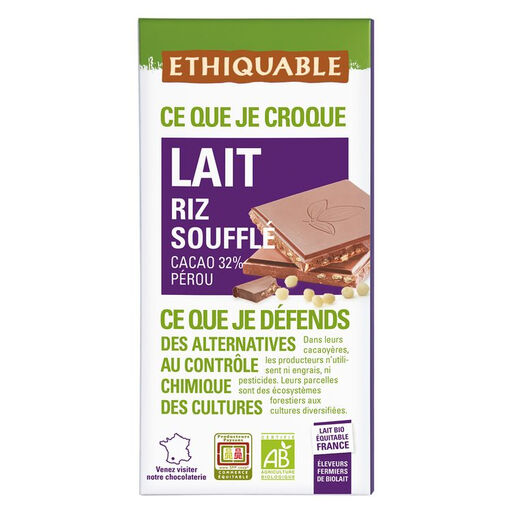 Image unavailable
ETHIQUABLE milk chocolate and puffed rice, 100 g
A chocolate bar to portion out and enjoy with your coffee, rather than an individually wrapped snack bar. The name indicates milk chocolate and puffed rice; check the organic certification and allergens on the packaging.
View on Joybuy
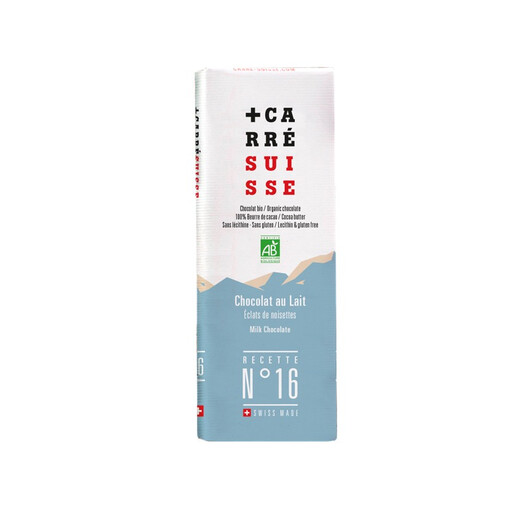 Image unavailable
CARRE milk chocolate and hazelnuts, 40 g
This 40 g format may suit you if you’d like some chocolate with your coffee without choosing a 100 g bar. Hazelnuts are listed in the name; check the packaging for allergen and ‘may contain’ information.
View on Joybuy
 Image unavailable
CARRE SUISSE dark chocolate with lemon and green pepper, 100 g
A bar to portion out if these are the flavours you’re after with your coffee. Lemon and green pepper set it apart from plain chocolate; check the ingredients and nutritional information before choosing it.
View on Joybuy
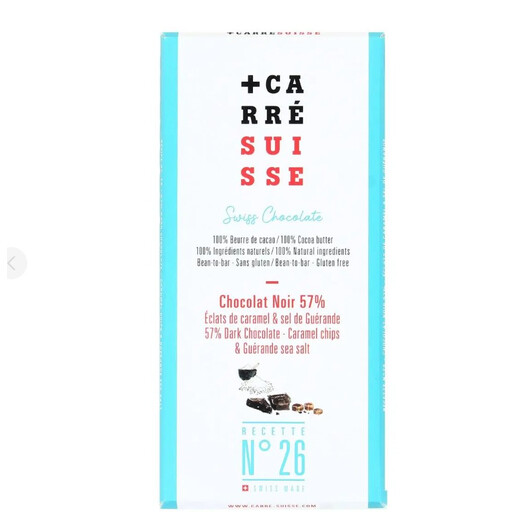 Image unavailable
CARRE dark chocolate with caramel and Guérande sea salt, 100 g
This bar to portion out combines the flavours in its name. If you’re comparing it with plain dark chocolate for a snack, check the ingredients and sugars per 100 g for each product.
View on Joybuy
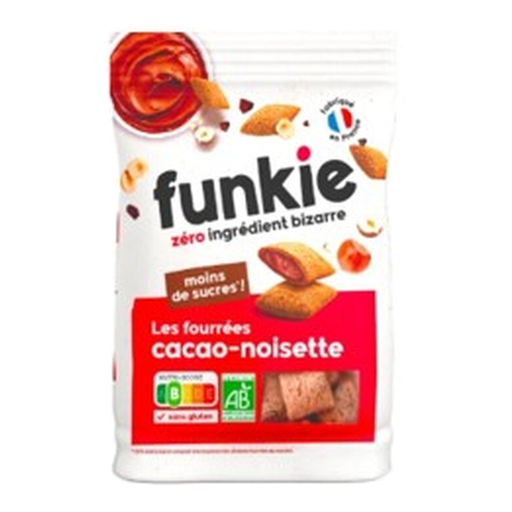 Image unavailable
FUNKIE cocoa and hazelnut cereal bars, 250 g
A cereal bar is a handy snack to take with you and enjoy with coffee, while the other products featured here are chocolate you can portion out. The stated weight is for the whole pack, so check the number of bars, the basis for the nutritional information and the allergens on the packaging, especially if you need to avoid peanuts or tree nuts.
View on Joybuy
Frequently asked questions
Is the Nutri-Score mandatory on an organic chocolate bar in France?
No. The Ministry of the Economy and the DGCCRF state that displaying it is voluntary in France. To compare pre-packed foods, refer to their nutritional information when required, particularly the values given per 100 g.
How can you tell if a chocolate product is organic?
Look for a clearly identifiable organic certification on the packaging or product information, then check the exact product you’re buying. The Ministry of Agriculture explains that organic certification is governed by a European framework; the product name is no substitute for its labelling.
Does an organic bar always contain less sugar?
No: organic certification alone doesn’t determine a product’s sugar content. Compare the sugars per 100 g of the products you’re interested in and consider the portion you plan to eat.
What should I check if I need to avoid an allergen?
Read the ingredients and check the packaging of the exact product for any ‘may contain’ warnings. A cereal bar, biscuit bar and chocolate bar may all have different ingredients, even if they’re all labelled organic.


