
Livraison le jour même ou le lendemain

Qualité garantie

Débloquez vos offres de bienvenue: Livraison GRATUITE | Jusqu'à -80 % | 30 jours d'essai gratuits à JoyPlus
Téléchargez l'application
With overflowing shelves, it can be hard to know where to start when choosing an excellent organic chocolate. Between the different labels, cocoa origins, and flavour pairings, it's easy to feel overwhelmed. This guide is here to give you the keys to making a great choice and to introduce our top picks, selected for their high-quality ingredients and unique character.
Choosing an organic chocolate bar is about more than just spotting a logo on the packaging. To ensure you make the right choice, here are a few foolproof criteria.
First rule of thumb: a short ingredient list is often a good sign. An excellent organic dark chocolate is primarily made of cocoa mass, cocoa butter, and a touch of sugar. For an organic milk chocolate, milk powder is simply added. Avoid long lists that mention vegetable fats other than cocoa butter (especially palm oil) or artificial flavourings. The cocoa content is also a key indicator: a good dark chocolate should have at least 70% cocoa.
The terroir of the beans and the chocolatier's craftsmanship shape the bar's character. Swiss chocolate, for example, is famous for its unparalleled melt-in-your-mouth texture and intense milky flavour, a result of a long conching process. French artisanal chocolate, on the other hand, often focuses on the aromatic power of exceptional beans (from Peru, Ecuador, Madagascar, etc.). Taking an interest in the origin is treating yourself to a true tasting journey.
Chocolate lends itself to all kinds of creative pairings. Timeless classics like hazelnut chocolate or sea salt caramel chocolate are sure bets, provided the added ingredients are also of impeccable quality. Chocolatiers today are getting more and more daring with combinations of spices, citrus fruits, or even flowers. Finally, for specific dietary needs, the range of certified vegan chocolate has exploded, offering stunning plant-based alternatives without sacrificing flavour.
To help make your choice easier, here are a few gems that tick all the boxes, selected for their transparent ingredients and unique flavours.
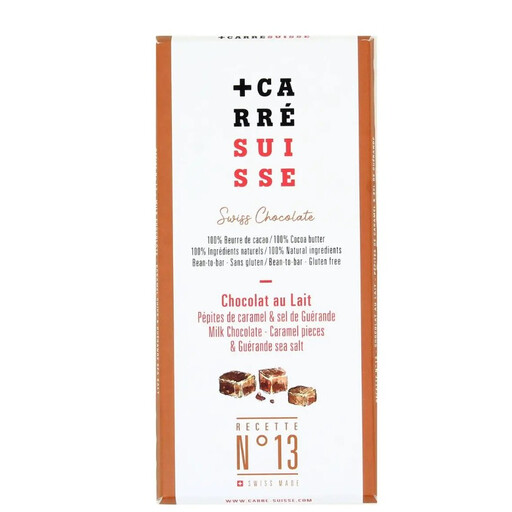
What makes it special: This bar perfectly combines the craftsmanship of Swiss chocolate with a gourmet touch. The blend of crunchy caramel and a hint of Guérande sea salt offers a perfect balance on the palate.
Key features:
Who is it for? For fans of organic milk chocolate and comforting flavours. It's the ideal bar for those who love classic sea salt caramel chocolate and are looking for a more refined version.
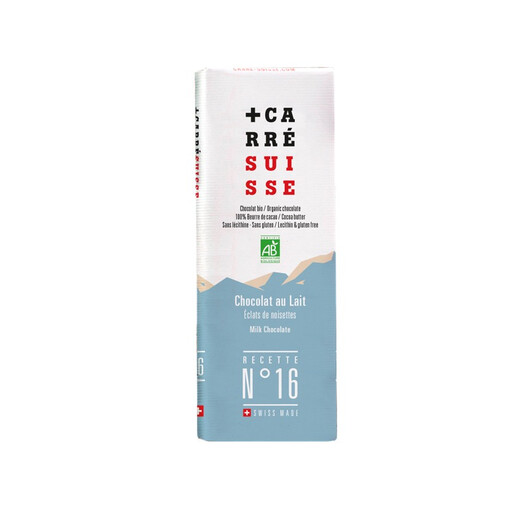
What makes it special: This hazelnut chocolate stands out with its French manufacturing and on-the-go format. With 14% hazelnuts, the crunch is guaranteed and pairs wonderfully with the sweetness of a 37% cocoa milk chocolate.
Key features:
Who is it for? For anyone looking for a gourmet organic snack to slip into their bag. An excellent, higher-quality alternative to industrial chocolate bars.
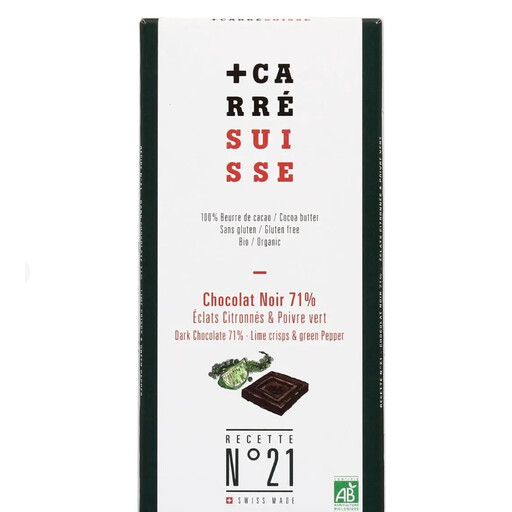
What makes it special: Here is an organic dark chocolate bar that's truly off the beaten path! The intensity of the 70% cocoa is awakened by the freshness of candied lemon zest and the delicately spicy note of green pepper.
Key features:
Who is it for? For curious palates who love to be surprised. It's the perfect option for those seeking an out-of-the-ordinary gourmet chocolate or a reliable vegan choice.
Snapping off a square of chocolate is good. Cooking with it is even better! If our selection has inspired you, know that cocoa is a magical ingredient in baking. For seasoned chefs and beginners looking for inspiration alike, we've compiled our best Easy Chocolate Desserts to make at home.
The fundamental difference lies in how the ingredients are grown. To obtain "Organic Farming" certification (like the EU organic logo), the cocoa beans, sugar, milk, and other components must be grown without synthetic pesticides or chemical fertilisers. This guarantees a product that is more respectful of the planet and the people who farm it.
To preserve all its aromas and its smooth texture, store your bar in a cool, dry place, ideally between 16 and 18°C (60-64°F). Above all, avoid the refrigerator: the cold alters its taste and can cause a white film to appear on its surface (known as "blooming"). It's best to leave it in its original packaging, away from light and strong odours.
No, not necessarily. Although a high-quality organic dark chocolate generally doesn't contain milk, it may be produced on the same manufacturing lines as milk chocolate, hence the "may contain traces of milk" warning. Some dark chocolates may also contain honey. To be absolutely sure, look for the explicit "vegan chocolate" claim or a dedicated certification on the packaging.