To put together your own weekend breakfast, start with plain oats. If you’d rather have a ready-to-serve mix, look at the mueslis; for a crunchy texture or chocolate flavour, explore granola and other indulgent recipes. Whatever you choose, check the organic labelling, compare the nutrition information per 100 g and read the allergens for the recipe you’re considering. Organic certification alone doesn’t tell you about a product’s nutritional composition.
Who are these formats for?
How much time you want to spend preparing your bowl will help you choose a format; the specific recipe will determine which ingredients and allergens to check.
For those who like to build their own bowl
Oat flakes make a handy base to which you can add your own fruit, dairy or other toppings. Carrefour Bio stocks this format, among others; if you’re looking for a simple base, check the ingredients on the pack you choose.
For families drawn to indulgent recipes
Granola or a chocolate-flavoured recipe can satisfy a craving for a particular texture or taste at the weekend. Compare each recipe separately, though, especially its ‘of which sugars’ value per 100 g and its allergens.
For label-conscious shoppers
If sugar or certain ingredients influence your choice, check the nutrition information per 100 g and the ingredients list. For mixes, check the allergens listed on the specific product you’re buying rather than relying on the range name alone.
What should you look for before buying?
First decide whether you want a base to prepare or a ready-to-serve recipe, then compare the packs you’re interested in using the same labelling criteria.
Plain organic oats
Choose these if: you want to control what you add to your bowl or make porridge.
Bear in mind: you’ll need to prepare them and add toppings if you want a fully assembled bowl.
Organic muesli
Choose this if: you’d rather pour out a ready-made cereal mix, perhaps with fruit or seeds.
Check: the ingredients vary by recipe, particularly when the mix contains nuts.
Organic granola and chocolate cereals
Choose these if: a crunchy texture or chocolate flavour is important to your breakfast choice.
Compare: the sugar content and other values per 100 g before choosing between them, muesli or oats.
| Criteria |
What to check |
Who is this for? |
| Organic certification |
Look for the EU organic logo and certification details on the pack. Don’t assume that ‘natural’ means ‘organic’. |
I want to be able to confirm a recipe’s organic status before choosing a format. Around 27% of consumers put this first. |
| Nutrition information |
Compare sugars, fibre and salt per 100 g; check the Nutri-Score if it’s shown. |
If I’m choosing between several recipes, their nutrition information matters more to me than their presentation. Around 33% of consumers prioritise this comparison. |
| Format and texture |
Decide whether you want to prepare oats or serve a ready-made mix, then check the recipe’s ingredients. |
At the weekend, I prefer an easy-to-share bowl with a texture everyone enjoys. Around 20% of consumers put format and enjoyment first. |
| Ingredients and allergens |
Read the ingredients list and check the allergens highlighted on the specific product. |
If I need to avoid an ingredient, I have to check the mix before choosing a flavour. Around 20% of consumers make this their top criterion. |
According to Agence Bio, at least 95% of the agricultural ingredients in a processed product labelled organic must come from organic farming. To compare recipes, the DGCCRF says that nutrition information for prepacked foods is given per 100 g or 100 ml. According to Santé publique France, displaying the Nutri-Score is voluntary, so if it’s not shown, you should still read the nutrition information.
Common mix-ups to avoid
-
Assuming ‘organic’ means low in sugar
Organic certification relates to how a product is made, while its nutritional values depend on the recipe. So two organic packs can contain different amounts of sugar.
Once you’ve confirmed the organic status, compare the ‘of which sugars’ line and the other values per 100 g. If the pack displays a Nutri-Score, use it as an additional guide.
-
Assuming a natural-looking muesli is free from allergens
A mix may contain several cereals and, depending on the recipe, nuts. Carrefour’s listings for Jordans muesli products mention hazelnuts, almonds or cashews, depending on the product.
Read the ingredients list and check the allergens highlighted on the pack you’ve chosen, even if you already know the brand. In France, the DGCCRF reminds shoppers that allergenic ingredients must be listed and highlighted.
-
Comparing portions of different sizes
A value given per portion depends on the amount used for that portion, so it isn’t directly comparable with a value based on a different-sized portion.
When comparing recipes for the same use, start with the nutrition information per 100 g, then consider how much you plan to serve.
Brands to know when comparing recipes
These ranges showcase different types of organic cereal, but you should still check the specific product rather than relying on the brand name.
Carrefour Bio
A supermarket own-brand range that includes oats, muesli and granola in Carrefour’s organic section in France.
- A choice of recipes lets you pick between a base to prepare and a ready-to-serve mix.
- Ingredients and nutrition information need to be checked for each recipe.
Jordans
The brand offers a range of organic mueslis, with recipes that may combine cereals, fruit, seeds or nuts.
- A ready-to-pour format for anyone looking for a mix rather than plain oats.
- Hazelnuts, almonds and other nuts vary by product, so check the label.
Nestlé BIO
Nestlé includes CHOCAPIC BIO and LION BIO in its range of organic chocolate cereals.
- According to Nestlé Céréales France, these products are certified by Ecocert France SAS (FR.BIO.01).
- This certification alone doesn’t tell you the sugar content or allergens in the recipe you buy.
Bjorg
The range includes organic mueslis and oats, two formats to consider depending on whether you want to serve a mix or put together your own bowl.
- Choose either a base of oats or a recipe that’s already mixed.
- Don’t assume the nutrition information or allergens in one Bjorg muesli apply to the brand’s other products.
Cereals available on Joybuy
These products offer several ways to prepare a weekend breakfast: oats to customise, fruit muesli, fruit porridge and granola. Before choosing a pack described as organic, check its certification details and ingredients on the packaging.
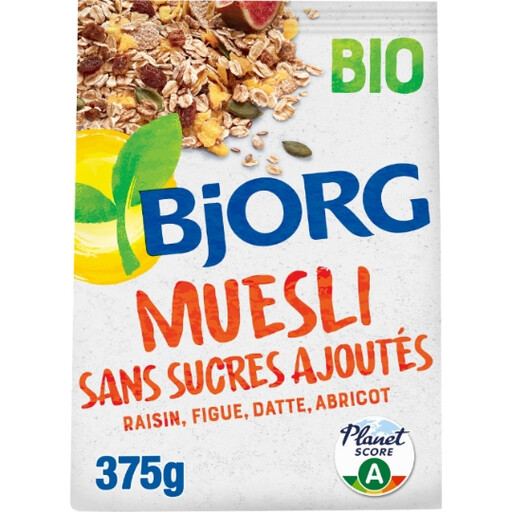 Image unavailable
BJORG Organic Muesli 375 g
Consider this if you’d like to pour a fruity muesli straight into your bowl. The Joybuy listing states that it contains 23% fruit; check the pack for organic certification details and allergens before buying.
View on Joybuy
 Image unavailable
BJORG Organic Oat Flakes 500 g
A base to consider for building your own bowl or making porridge with your choice of additions. If you need to avoid certain ingredients, check the pack’s label and organic certification details.
View on Joybuy
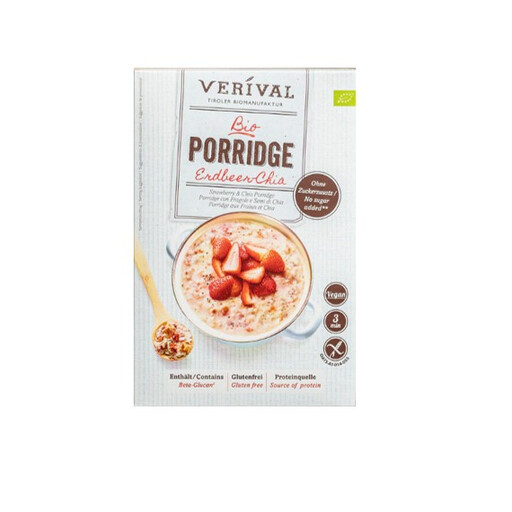 Image unavailable
VERIVAL Organic Fruit and Chia Porridge 350 g
This is an option if you’d prefer a ready-made porridge recipe to plain oats. The ingredients include almonds, so check all allergens and the organic labelling on the pack.
View on Joybuy
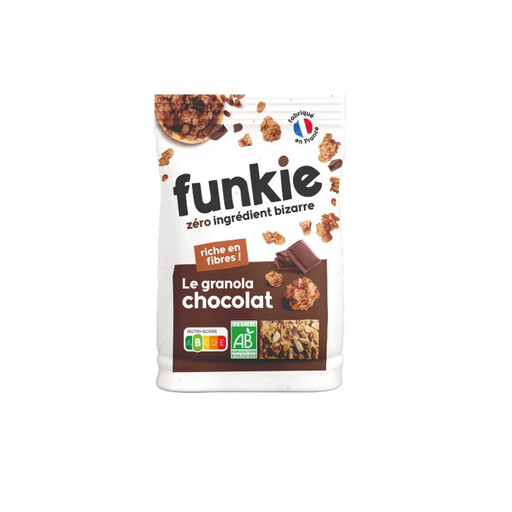 Image unavailable
FUNKIE Organic Chocolate Granola 300 g
Worth considering if you’re after chocolate granola rather than muesli or plain oats. Compare the sugars per 100 g with other recipes you’re considering; the listing names gluten and sesame among the allergens to check on the pack.
View on Joybuy
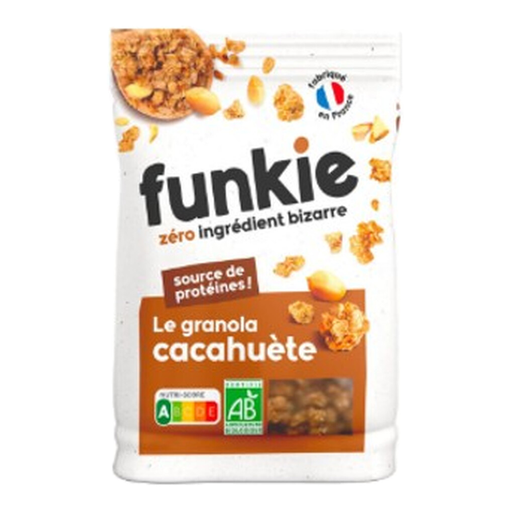 Image unavailable
FUNKIE Organic Peanut Granola 300 g
Another granola recipe for anyone who enjoys the taste of peanuts. It isn’t suitable if you need to avoid them: check the allergens, ingredients list and organic labelling on the packaging.
View on Joybuy
Frequently asked questions
How can you tell if a pack of cereals is organic?
Look for the EU organic logo and certification details on the packaging. Agence Bio states that at least 95% of the agricultural ingredients in a processed organic product must come from organic farming; a ‘natural’ presentation alone doesn’t establish organic status.
Do organic cereals always contain less sugar?
No. Organic production methods don’t determine the sugar content of each recipe. Compare the ‘of which sugars’ value per 100 g, along with the other nutrition information, across the packs you’re interested in. If displayed, the Nutri-Score can help you make the comparison.
Does ‘no added sugars’ mean fruit muesli contains no sugars?
No. This claim doesn’t mean there are no sugars naturally present in the ingredients. To assess the specific recipe, read the ingredients list and check the value shown on the ‘of which sugars’ line per 100 g.
What should you check if a muesli contains nuts?
Read the allergens highlighted on the pack and check the other details on the label of the product you’re buying. Carrefour lists some Jordans organic mueslis that contain hazelnuts, almonds or cashews, depending on the recipe; the ingredients in one pack won’t necessarily apply to the whole range.


