For those who like to build their own bowl
If you’re looking for a short ingredients list, organic oat flakes can make a great base for adding your own ingredients. Check the information about gluten and possible traces for the product you choose.


When ordering organic breakfast cereal, first check the certification on the product page and packaging, then compare the ingredients, sugars, fibre and allergens per 100 g. Plain flakes are ideal for making your own combination, muesli is a ready-to-serve mix, and granola is a good choice if you’re after a crunchy texture. In every case, the exact recipe matters more than the word ‘organic’ alone.
If you’re looking for a short ingredients list, organic oat flakes can make a great base for adding your own ingredients. Check the information about gluten and possible traces for the product you choose.
Organic muesli combines several ingredients and needs no preparation. If sugar content matters to you, compare the ‘of which sugars’ value per 100 g: ‘no added sugars’ doesn’t mean ‘sugar-free’.
Flakes, muesli and granola offer different textures and preparation options. Before choosing a pack size, check the ingredients, allergens and storage instructions after opening.
Start by choosing the type of cereal that suits the way you prepare breakfast; then use the label to compare recipes.
Choose these if: you’d like to make your own porridge or mix using a base with a short ingredients list.
Bear in mind: you’ll need to add the other ingredients and, depending on your recipe, allow time to prepare it.
Choose this if: you prefer a ready-to-serve mix of cereals and fruit.
Check: even with no added sugars, a recipe containing dried fruit has naturally occurring sugars.
Choose this if: you’re mainly after a crunchy texture.
Check: ingredients and sugar and fat values vary from one recipe to another.
| What to check | What to look for | What matters to shoppers |
|---|---|---|
| Organic certification | Look for the EU organic logo on the packaging and check the accompanying information. According to the European Commission, this logo is reserved for products certified by an approved control body. | If I’m ordering cereal because it’s organic, I want to be able to recognise the certification rather than relying on the product page title alone. Around 42% of shoppers make this their priority. |
| Ingredients and sugars | Compare the ingredients list and the sugar and fibre values per 100 g across similar recipes. | When choosing fruit muesli or granola, I want to know what’s in the recipe before deciding on the texture. Ingredients and sugar content come first for around 33% of shoppers. |
| Use and suitability | Check the net weight, storage instructions after opening, allergens and any ‘may contain’ warnings for the exact product. | For breakfasts at home, I need a practical pack size and a recipe that suits everyone’s dietary requirements. Around 25% of shoppers put these considerations first. |
Organic certification and nutritional information tell you different things. Two organic recipes can have different ingredients, especially if they contain dried fruit or chocolate.
Compare the ‘of which sugars’ value per 100 g and the first ingredients listed on products intended for the same purpose. If the packaging displays a Nutri-Score, it doesn’t replace checking the recipe.
Raisins, dates and other dried fruit in muesli contain naturally occurring sugars, even when the recipe is described as having no added sugars.
Read the claim on the pack alongside the ingredients list and the ‘of which sugars’ value per 100 g.
A mix of cereals, seeds or nuts may contain allergens that aren’t visible in the main image. In the European Union, any allergens present are highlighted in the ingredients list, as Your Europe explains.
Check the list and any ‘may contain’ warnings on the packaging for the exact product. Don’t assume it’s gluten-free just because it’s labelled ‘organic’.
The pack size alone doesn’t tell you whether the contents will keep well after opening.
Check the net weight and storage instructions, then choose a pack size that suits your household’s routine.
An opened pack can lose its crunch if it’s left for too long.
BJORG offers organic wholegrain oat flakes and organic muesli with no added sugars, among other products.
Carrefour’s range includes oat flakes, muesli and organic cereals made to different recipes.
This Marque Repère range, featured by E.Leclerc, includes organic wholegrain oat flakes and organic muesli flakes with dried fruit, among other products.
These products are presented as organic and include plain flakes, a muesli, two granolas and a porridge to prepare. For each one, check the certification information and packaging label before ordering.
 Image unavailable
Make your own bowl of oat flakes or prepare porridge. Check the information about gluten and the certification details on the pack.
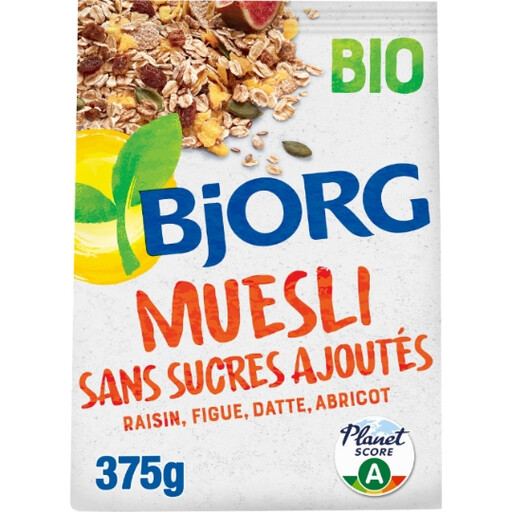 Image unavailable
For those who prefer a ready-to-serve mix to plain flakes. BJORG’s product page describes the 375 g muesli as a recipe combining cereals and fruit. Check the packaging for allergens, sugars and certification information.
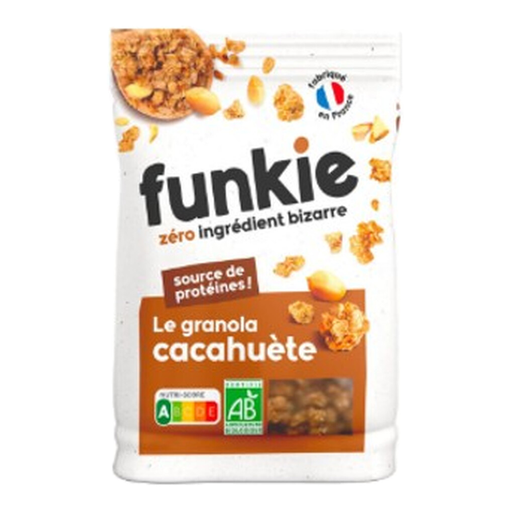 Image unavailable
Worth considering if you’d like peanut granola rather than plain flakes. Compare the nutritional information per 100 g, and check the allergens and certification details on the packaging.
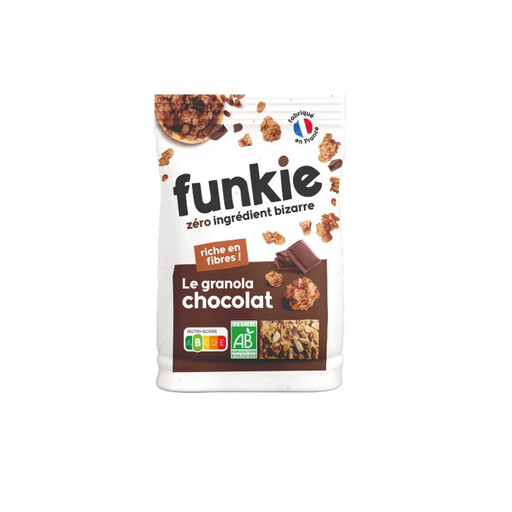 Image unavailable
A chocolate granola option to consider. Before comparing it with the peanut granola, check the sugars and fat per 100 g, the allergens and the certification details for this particular pack.
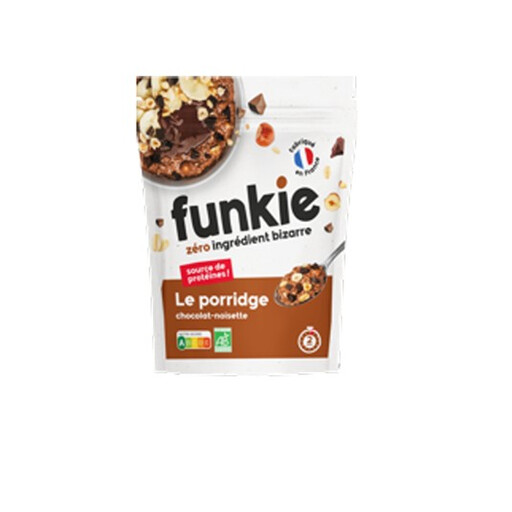 Image unavailable
For those who prefer to prepare porridge rather than serve a cold mix. The product page describes making it with hot milk or water, then leaving it to stand for 2 to 3 minutes. Check the packaging for allergens and certification details too.
Look for a clear image of the EU organic logo on the packaging, then check the control body code and the indication of agricultural origin shown alongside it. According to the European Commission, the logo is reserved for products certified by an approved control body. The word ‘organic’ in a product title is no substitute for checking the label.
No. ‘Organic’ tells you about certification, not sugar content. Compare the ‘of which sugars’ value per 100 g and the ingredients list for cereals intended for the same purpose.
No. Dried fruit in muesli can contain naturally occurring sugars. Check the ingredients list and the ‘of which sugars’ value per 100 g before choosing a recipe.
Read the ingredients list for the exact product and check its packaging for any ‘may contain’ warnings. Your Europe explains that, in the European Union, allergens present must be highlighted in the ingredients list. A general product image isn’t enough to check for them.