What should you compare?
Start with the portion and its carbohydrate content, then compare similar types of cereal. For adults living with type 2 diabetes, the French National Authority for Health recommends choosing wholegrain options while adapting portions to suit individual habits.
| What to compare | What to check | Who it’s for |
|---|
| Carbohydrates per portion |
Compare the carbohydrates and “of which sugars” per 100 g, then work out the amount for the portion you’ll actually serve. |
When I measure out my breakfast portion, I want to know how many carbohydrates it contributes to my food tracking. Around 36% of consumers make this their top priority. |
| Wholegrains and fibre |
Look for wholegrains in the ingredients and compare fibre per 100 g across similar products. |
When I make a bowl with oats or muesli, I look for a wholegrain base first, while still checking what else is in the mix. Around 29% of consumers share this priority. |
| Certification and recipe |
Look for the EU organic logo, then check the ingredients list and allergens on the pack you’ve chosen. |
I want a recognisable organic certification and a recipe I can check before buying; I don’t want to guess what’s in it from the logo. This is the main concern for around 21% of consumers. |
| Everyday preparation |
Choose between a base you prepare yourself and ready-to-serve cereal, keeping the portion easy to measure. |
On busy mornings, I prefer something simple that fits into my routine without losing track of the amount I serve. Around 14% of consumers put convenience first. |
Cereal and breakfast options on Joybuy
This selection brings together oats, muesli, porridge and flavoured cereal, so you can compare different ways to prepare breakfast. For each pack, check the organic claim on the packaging and work out the nutritional information for the portion you’ll serve.
 Image unavailable
BJORG organic oats, 500 g
A good option if you want to measure out your own oats and choose what to add. Compare the carbohydrates in the portion you serve and check the allergen information on the pack.
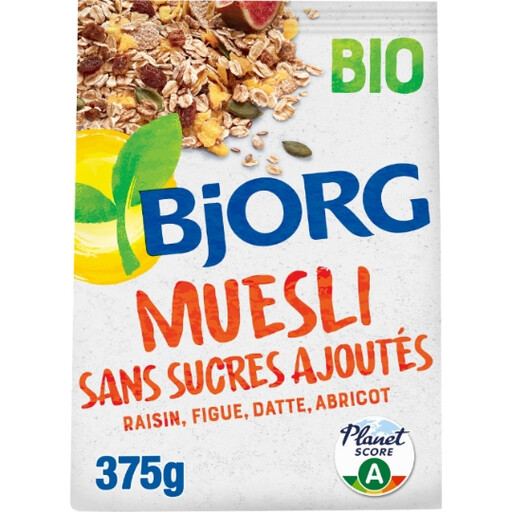 Image unavailable
BJORG organic muesli, 375 g
A ready-to-serve option if you prefer a mix to plain oats. Joybuy’s product listing describes this muesli as having no added sugars and containing 23% fruit. Still check the sugars, carbohydrates and allergens for your portion.
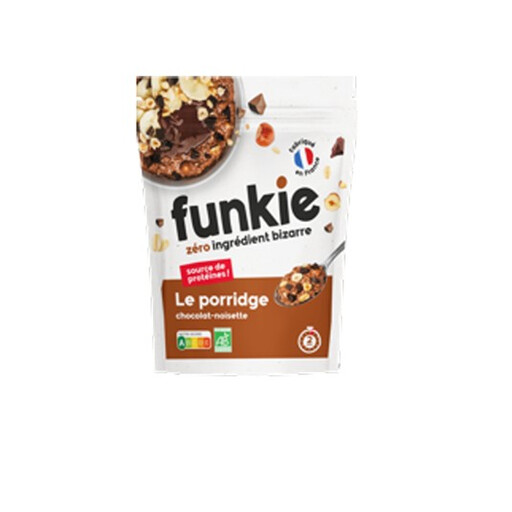 Image unavailable
Funkie organic chocolate and peanut porridge, 280 g
Worth a look if you prefer chocolate and peanut porridge. Before preparing it, check how much you’ll use, the corresponding carbohydrates and sugars, and the allergens listed on the packaging.
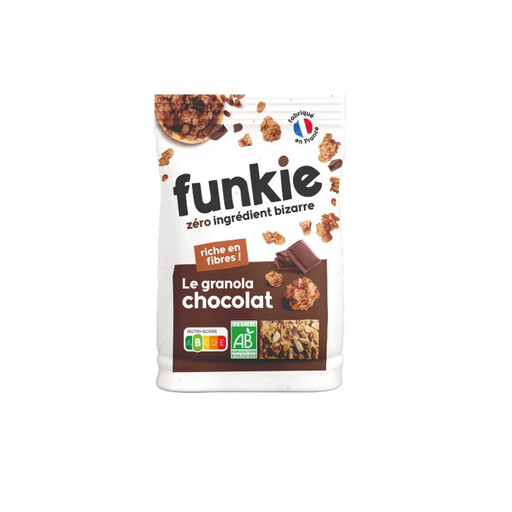 Image unavailable
Funkie organic chocolate granola, 300 g
If you’re after a crunchy granola texture and chocolatey flavour, compare the recipe with oats or muesli using the same portion size. Check the ingredients, carbohydrates and sugars before deciding how much to serve.
 Image unavailable
Funkie organic honey cereal balls, 300 g
A ready-to-serve recipe for anyone looking for honey cereal. The name alone doesn’t tell you how much sugar you’ll consume, so check the ingredients and carbohydrates in the portion you’re planning to have.
Frequently asked questions
Is the organic logo enough to choose cereal when you’re living with diabetes?
No. According to the French Agency for Organic Agriculture, the EU logo confirms that organic production rules have been followed; it doesn’t tell you how many carbohydrates are in your portion. Also compare sugars, ingredients and the amount you’ll serve as part of your food tracking.
Does muesli labelled “no added sugars” necessarily contain little sugar?
No. Dried fruit can contain naturally occurring sugars. Check “of which sugars” and total carbohydrates on the label, then take account of the portion you’ll actually eat.
How important are wholegrains?
The French National Authority for Health recommends that adults living with type 2 diabetes choose wholegrain options, with portions adapted to their habits. You should still check the other ingredients and the carbohydrates in your portion.
What should you read on the label before buying?
Check the ingredients, allergens and nutrition information, particularly the carbohydrates and “of which sugars”. The French Directorate General for Competition Policy, Consumer Affairs and Fraud Control says that the nutrition declaration on prepacked foods also includes fat, protein and salt.
Should you review your breakfast with your healthcare team?
If you follow individual carbohydrate-counting guidance or are considering a significant change to your eating habits, speak to your healthcare team. French Health Insurance advises that eating plans for people with diabetes should be tailored to individual needs.


